Papillon Training: Small Skills for Real Life
Build a practical Papillon training plan for attention, handling, toileting, settling and calm introductions without rushing the dog.
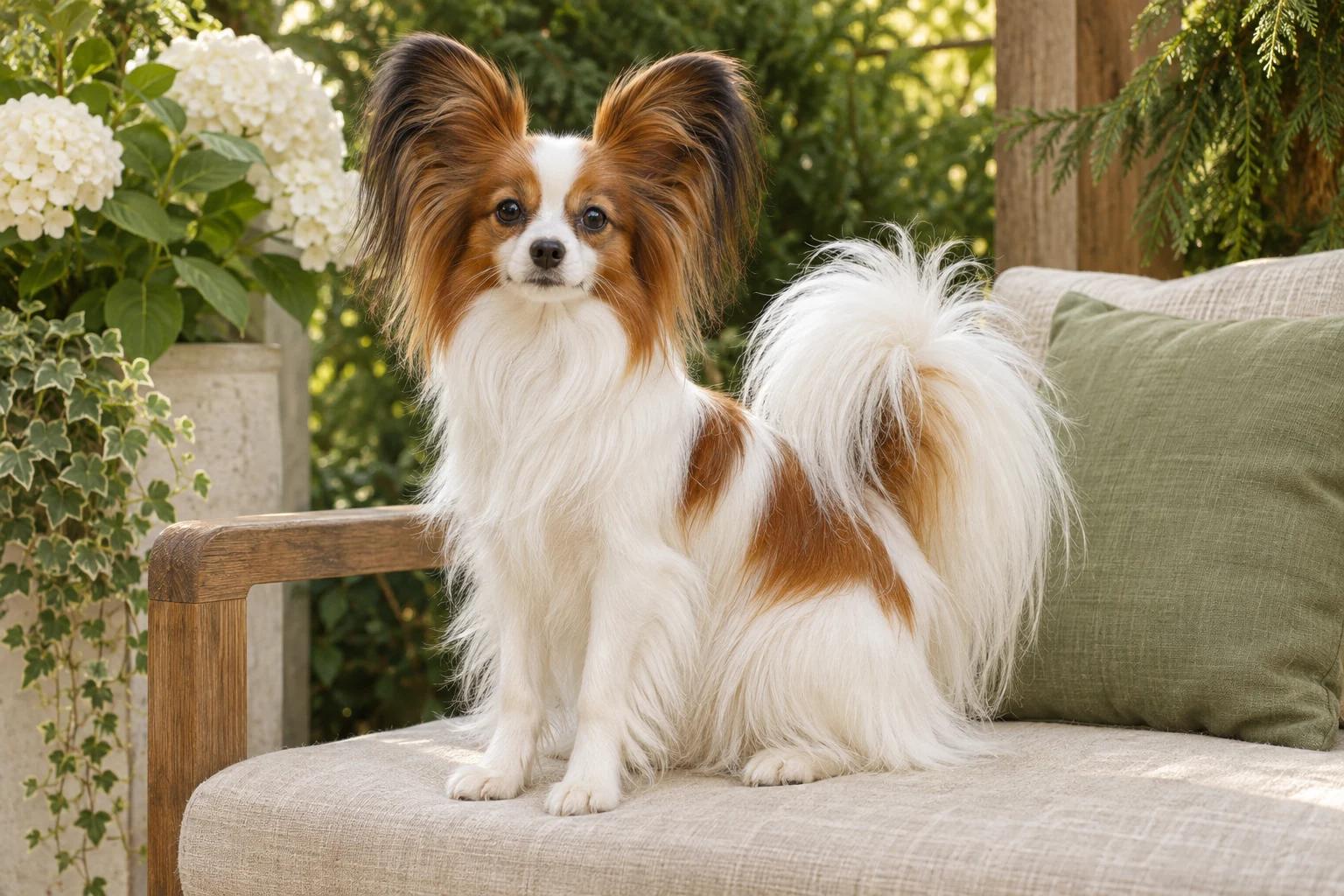
Papillon training is most useful when it makes an ordinary day easier. A dog that can pause at a doorway, come toward a familiar person and relax while a brush appears has learned something valuable, even without an impressive trick repertoire. The breed's enthusiasm for learning is an opportunity, not a substitute for clear teaching.
Start with a small set of household skills. Decide what success looks like, make that version easy to achieve and repeat it in situations the dog can handle. You can add clever flourishes after the practical foundations are reliable.
Papillon training starts with a shared household plan
VCA describes Papillons as responsive learners who benefit from reward-based training and mental engagement. The Papillon Club of America recommends positive-reinforcement instruction and observing classes before enrolling. Those principles are a better foundation than trying to overpower a tiny dog or expecting intelligence to produce instant understanding.
Choose consistent words for the things your household needs. If one person says “down” for lying down and another uses it for getting off the sofa, agree on separate cues. Write them on a short note where everyone can see them. The aim is clarity, not an elaborate household rulebook.
Pick one first goal that solves a real inconvenience. Perhaps the dog rushes toward the open hallway, or disappears under a chair when its harness comes out. Practice that skill at an easy moment, not only when you are already late.
The Papillon profile gives the broader ownership context. Its emphasis on learning should encourage thoughtful practice, not pressure to make every waking moment a lesson.
Attention at a height the dog can reach
When learning how to train a Papillon, consider the mechanics from the dog's perspective. Your face and hands may be far above it. A reward held too high can turn a simple exercise into repeated jumping.
Work on a comfortable, nonslip floor. Say the dog's name once at an easy moment, acknowledge a glance toward you and deliver the reward where the dog can reach it without launching upward. You are teaching that attending to you is worthwhile, not testing how long you can keep calling.
Start away from the busiest window or doorway. A few successful responses in a quiet room give you something to build on. When that is easy, change one feature, such as your position or the room, before combining several distractions.
Keep a simple note: what did the dog do, and under what conditions? “Looked when called from the kitchen with no visitors” tells you more than “knows its name.” It also helps explain why the same response might be harder in a crowded lobby.
Teach the doorway routine before you need it
A small dog can be difficult to track during arrivals. Instead of relying on someone to scoop the Papillon up each time, give the household a repeatable procedure.
Practice with the external door securely closed. Invite the dog toward a mat or a chosen spot away from the threshold, reward being there and release it before it becomes restless. Gradually add ordinary movements such as reaching for keys. Do not jump straight to an open door and a delivery driver.
Use barriers and a lead as appropriate while the skill is developing. Training is not a replacement for physical security. Tell guests the plan in advance so one person is not practicing a pause while another excitedly calls the dog into the hallway.
For Papillon obedience, this kind of practical consistency matters more than how formal the posture looks. You need an understandable routine that can survive a real Tuesday evening.
Make handling a lesson of its own
Harnessing, brushing and checking paws should not appear only when someone intends to finish the entire task immediately. Separate familiarity with the equipment from the full procedure.
Let the dog notice a brush at a comfortable distance, then put it away after a successful brief interaction. Work toward a moment of gentle contact and stop while the dog is still comfortable. If the dog repeatedly avoids contact, ask a reward-based trainer to help you adjust the setup rather than holding it still until it gives up.
A Papillon's longer hair can make a grooming task look simple from the outside while still involving awkward areas. Have an experienced groomer demonstrate the technique. Training cooperation and learning the care technique are two separate jobs, and both deserve attention.
The guide to Papillon and Phalene ears explains the appearance vocabulary. Neither ear type tells you how much handling practice a particular dog has had.
Keep toilet training information specific
Ask the breeder, rescue or previous caregiver where the dog currently toilets and how it signals. “Already trained” can hide important details: a garden door that stayed open all day is not the same setup as an upstairs apartment.
Build a written plan around waking, meals, play and your household's actual access to outdoors. Record successful trips and accidents without turning the record into a scorecard. Patterns can help you improve timing or supervision.
Reward the behavior you want, and avoid punishment after an accident. If the dog is struggling, examine the opportunity you provided before labeling it stubborn. Sudden changes or concerns about elimination belong with a veterinarian rather than being treated solely as a training issue.
Arrange backup care before a workday becomes a test the dog cannot reasonably pass. A clear handover note is more useful to a helper than an instruction to “watch for signs” without explaining what those signs look like.
Socialization and settling belong together
Papillon socialization should help the dog become comfortable with its world, not require it to greet every person or dog. Choose experiences you can control and let the dog observe from a manageable distance. Ask your veterinarian about appropriate puppy exposure and local health considerations.
A quiet view of a passing bicycle can be a useful outing. So can entering a calm room and leaving before it fills up. If the dog is overwhelmed, create more space and simplify the experience instead of treating endurance as progress.
At home, make room for doing nothing together. Put training supplies away, choose a low-traffic resting area and notice calm behavior without constantly restarting a game. Enthusiastic teaching works best when it has an end.
If you are still evaluating the breed, use the dog match quiz to consider whether you enjoy this kind of daily involvement. The goal is a workable partnership, not a miniature performer available on demand.
FAQs
Are Papillons easy to train?
Papillons often enjoy learning, but clear teaching and suitable rewards still matter. Start with easy versions of useful skills and build gradually. An individual dog's previous experience and comfort in the setting affect what it can do.
What should I teach a Papillon first?
Begin with a small set of practical skills such as attention, approaching you, comfortable handling and a secure doorway routine. Pick the most useful first goal for your home. Short, successful practice is more valuable than introducing many cues at once.
Should a Papillon attend group classes?
A well-managed reward-based class can be useful. Observe the trainer, the spacing and how dogs are controlled before enrolling. Individual lessons may fit better when the dog is uncomfortable or the available group environment is unsuitable.
How do I socialize a Papillon without overwhelming it?
Choose manageable experiences with enough distance and an easy exit. The dog does not need to greet everyone. Coordinate puppy exposure with your veterinarian and seek qualified training help if fear or distress makes ordinary outings difficult.
Sources behind this article
Article source checked: November 15, 2026. Source checked 2026-11-15
Keep reading

Affenpinscher Training: Build Useful Everyday Habits
Read article →