Otterhound training: practical skills for a scent-led dog
Start Otterhound training with clear daily skills, rewarding practice, secure walks, thoughtful socialization, and a manageable progress plan.
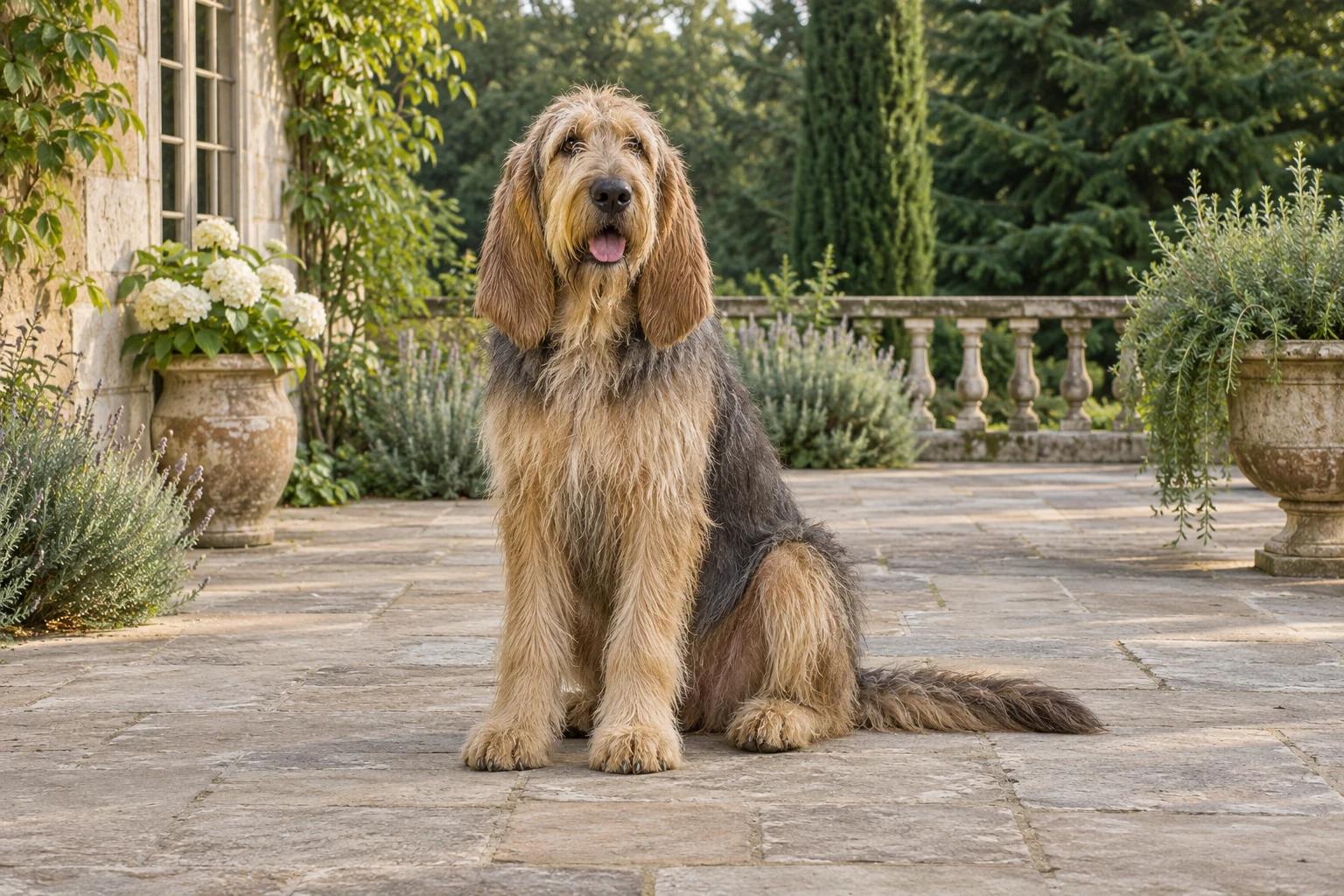
Otterhound training works best when you make the lesson clearer and the setting easier, rather than trying to overpower the dog’s interest in the world. A substantial scent hound needs useful household skills, but it does not need every session to resemble a formal obedience test. Begin with the moments you will repeat daily: preparing for a walk, moving through a doorway, changing direction, and settling while people are busy.
Use the Otterhound profile to understand the wider commitment. This guide turns that ownership picture into a manageable starting plan.
Otterhound training begins with a small, clear job
The Otterhound Club of America’s Otterhound University training guide recommends an encouraging, rewarding atmosphere and short sessions for puppies or adults. VCA’s breed account highlights independence and the need for secure outdoor management around scent. Together, those points support patient teaching without treating containment as optional.
If you are wondering how to train an Otterhound, choose one observable action first. “Be good while I get ready” is vague. “Stand on this mat while I pick up the lead” gives you a behavior you can notice and reward.
Start where very little else is happening. Have the reward ready, ask for an easy step, and finish before the dog loses interest. A few successful repetitions are more useful than continuing until the final attempts become a struggle.
Lesson one: preparing to leave without a tangle
A large hound, a dangling lead, and an open door can make a chaotic combination. Separate preparation from departure. Keep the exit closed while you practice approaching the walking equipment and remaining near you.
Reward the dog for a brief pause beside you. Fit equipment calmly, checking it according to the maker’s guidance. If you need both hands to adjust a strap, do that in the secure room rather than while standing halfway through an exterior doorway.
Once preparation is familiar, add a simple waiting position away from the threshold. Move your hand toward the door, then return and reward the dog for remaining in place. Work in small steps with the door secured and use a barrier or another adult when needed.
The goal is not a theatrical stay while you disappear down the path. It is a practical interval long enough to check the outside space and leave together. Keep physical safeguards in place while the lesson is still developing.
Lesson two: attention that survives a change of scene
Begin by rewarding the dog for turning toward you in a quiet place. Use a consistent marker word if you find it helpful, then deliver the reward promptly. You are making a particular response understandable, not demanding uninterrupted eye contact.
Practice in several easy locations before adding a more interesting one. A quiet hallway, an enclosed garden, and a calm stretch of pavement are different lessons. Expect some rebuilding when the setting changes.
If the dog cannot respond, step back to an easier location. Repeating the cue beside an absorbing scent may simply give you repeated evidence that the current exercise is too difficult. Success at a greater distance is useful progress.
This is where Otterhound obedience becomes a partnership rather than a contest. You are learning which environments allow the dog to think with you, and the dog is learning what pays off. Keep a brief note of successful locations so the next session starts from evidence rather than optimism.
Lesson three: walking with room for the nose
Choose a walking route with enough space to pause and turn. Practice a few steps together in an uninteresting section, then allow an appropriate sniffing opportunity. You are not trying to remove the dog’s interest in scent; you are organizing how the two of you move through the outing.
Keep the lead arrangement simple and ask a qualified trainer to help if handling is difficult. Do not rely on physical strength to compensate for an exercise that repeatedly fails. A quieter route and well-taught turn can be more useful than equipment chosen to force compliance.
Use secure fencing or a lead where needed. A successful response in training does not justify testing the dog loose near roads or wildlife. The existing Otterhound scent-history article explains historical terminology, not a reason to follow animals during modern training.
Teach coming toward you in a safe, low-distraction setting, rewarding arrival generously. Avoid calling repeatedly when you already know the dog is unlikely to respond. If recall is a concern, work with a trainer who will build the skill without using risky off-lead tests.
Lesson four: social experience without a crowded greeting
Otterhound socialization should build comfortable experience, not a record of how many strangers have touched the dog. A calm observation from a suitable distance may be more useful than a close meeting the dog finds overwhelming.
Choose one new element at a time. Watch a bicycle from a quiet spot, visit a calm location briefly, or meet one cooperative person. Keep enough distance that the dog can remain engaged with you and leave if the situation becomes too much.
For puppies, ask your veterinarian about suitable locations and disease-risk considerations. For an adult, start with its known experience rather than assuming it needs the same introduction as a puppy. Either can learn, but the starting point may be different.
A class can provide structure if the environment suits the dog. Ask about spacing, group size, reward-based methods, and how the instructor helps dogs that need a break. Watching a session before enrolling can reveal more than a list of promised outcomes.
Keep a short progress record
Write down the behavior, location, and easiest successful version of the exercise. “Waited beside the closed front door while I picked up keys” tells you what to repeat. “Did well today” is pleasant but difficult to build on.
Share cues and routines with everyone who handles the dog. If one person releases it with “okay” and another uses the word casually during a conversation, choose a clearer arrangement. Consistency need not mean rigidity; it means the dog can understand what people are asking.
End sessions with a familiar success and a genuine break. Seek help early if handling becomes unsafe, distress appears, or behavior changes suddenly. A veterinarian can investigate health concerns, while a qualified trainer can help adjust the teaching plan.
The dog match quiz can help prospective owners decide whether this kind of ongoing involvement fits their lives. Training is not an entrance fee you pay once. It becomes part of living comfortably with a curious, capable hound.
FAQ
Can an adult Otterhound begin training?
Yes. The breed club’s training guide includes both puppies and adult companions. Start with the individual’s current skills, use short rewarding sessions, and choose practical behaviors that matter in your household.
Why does my Otterhound respond indoors but not outside?
The outdoor setting may contain much stronger distractions. Rebuild the exercise in an easier location and increase difficulty gradually. An indoor response does not automatically transfer to a scent-rich environment.
Should socialization mean greeting every dog and person?
No. Comfortable observation and calm, chosen encounters can be valuable. Match experiences to the individual, allow space and breaks, and avoid turning every outing into a series of forced greetings.
Sources behind this article
Article source checked: November 15, 2026. Source checked 2026-11-15
Keep reading

Affenpinscher Training: Build Useful Everyday Habits
Read article →