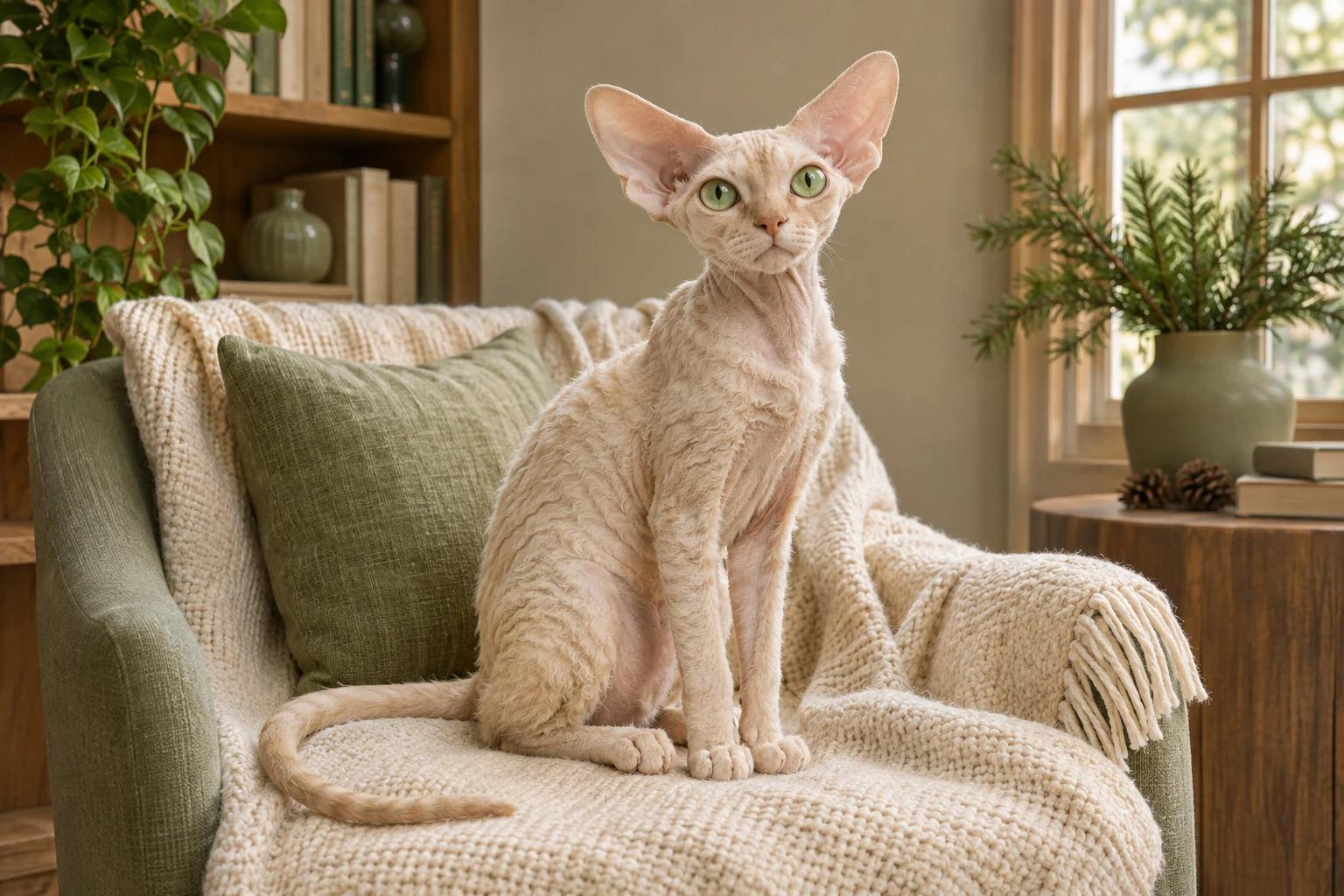
Teaching an Ocicat a useful station cue with food rewards
Plan an Ocicat station cue around a comfortable place and voluntary choices, with small rewarded steps and clear limits on what the cue can do.
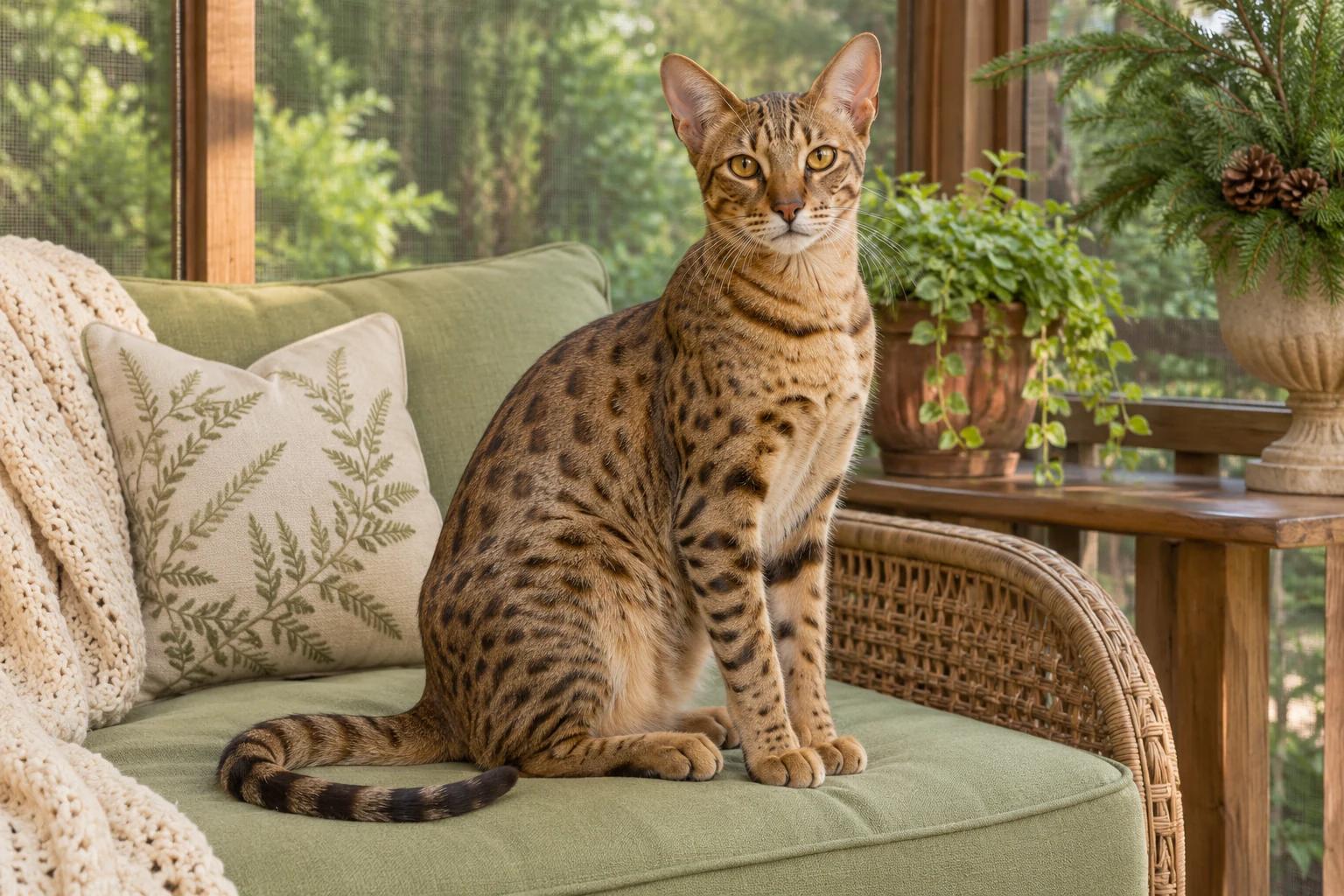
Choose a useful destination
A station cue asks a cat to go to an agreed place, such as a comfortable mat during a quiet household task. CFA lists the Ocicat, but breed identity does not guarantee a learning speed or willingness to participate. Choose a destination that is stable, accessible and away from hazards, not a place the cat has to tolerate because you want it out of the way.
Define one modest use for the cue. For example, you might want a clearer way to invite the cat to a comfortable spot while you organise its supplies. Do not make the cue your only protection at an open door or a hot surface. Training is not a substitute for a physical safety arrangement.
Prepare a reward the cat actually wants
FelineVMA recommends checking individual reward preference and rewarding promptly. If food is appropriate, work within the cat’s feeding instructions and ask your vet when there are dietary concerns. Do not withhold essential food to make a reward more compelling. Keep rewards ready before beginning so you can respond to a voluntary step without scrambling through a bag.
Look for an uncomplicated starting point, such as noticing the station or moving towards it. A small choice gives you something clear to reward. Do not place the cat on the mat repeatedly or block its exit. If it is unwell, fearful or showing discomfort, stop and address that concern rather than treating participation as a behaviour problem.
Build the meaning in small steps
FelineVMA describes shaping as rewarding manageable steps and adding a cue once a behaviour is becoming familiar. Ask for professional guidance if you need help choosing those steps. Avoid repeating a word insistently when the cat does not yet know what it means. Your timing and setup may need adjustment rather than a louder instruction.
Keep a short note of the current step so other caregivers do not ask for a finished behaviour too soon. End while the interaction remains comfortable and let the cat leave. This article does not set a number of repetitions or a deadline. The useful observation is what the individual chose and whether the task remains clear.
Keep the cue’s limits visible
Practise only in safe, manageable circumstances and review whether the station remains a comfortable choice. Do not suddenly introduce distractions or prolonged waits because an earlier attempt worked. A cat going to the mat once does not establish that it will remain there when a visitor opens a door or a household activity becomes exciting.
Use the cue as an invitation that supports everyday care, alongside reliable safety arrangements. If progress stalls, simplify and seek qualified advice rather than forcing the Ocicat to stay. Success is a shared, understandable signal built through voluntary learning, not control over every movement or a claim that a particular breed can be trained to ignore danger.
Sources behind this article
Article source checked: October 22, 2026. Source checked 2026-10-22
Keep reading
Building a calm brushing-and-reward routine with a Burmilla
Read article →