Norwegian Lundehund training: practical first skills
Build Norwegian Lundehund training around clear rewards, housetraining records, calm introductions and small everyday successes.
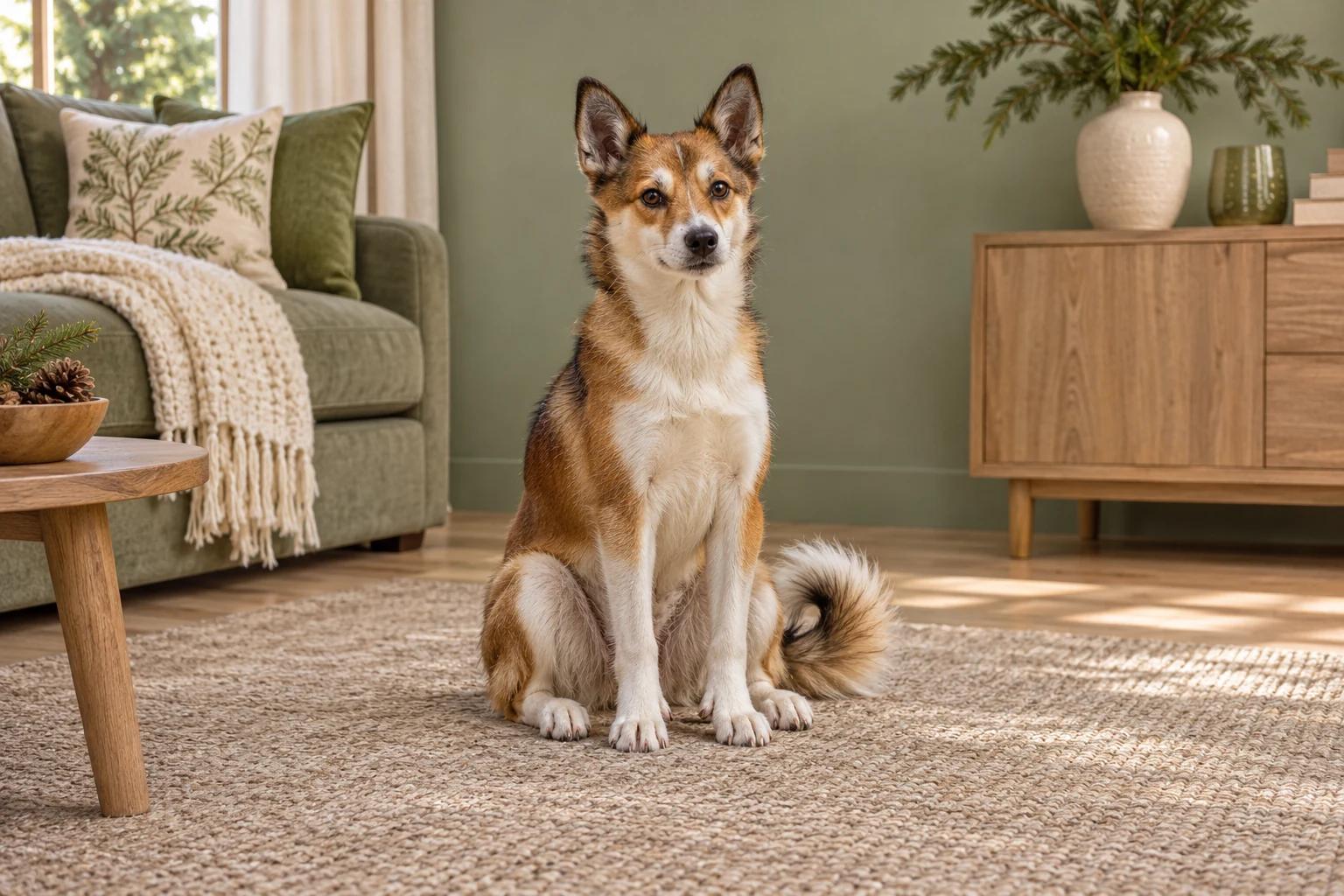
Norwegian Lundehund training works best when you decide what you actually need the dog to do in everyday life. Waiting while a door opens, settling beside your chair, and going outside to toilet are more useful first goals than a long list of impressive tricks. Write those goals down before choosing a class or buying equipment. They will help you recognise progress even when learning is uneven.
The Norwegian Lundehund profile describes a small, alert companion suited to daily learning games. Small size does not remove the need for clear household rules or reliable management outdoors.
Norwegian Lundehund training begins with workable routines
The Norwegian Kennel Club describes the breed as curious, sometimes self-willed, and willing to learn. Think of that combination as a reason to make the task understandable, not as a reason to enter a contest of wills. Norwegian Kennel Club breed guide.
Begin with a household agreement. Choose one cue for coming to you, decide which doors require a pause, and agree where the dog can rest undisturbed. If one person invites excited greetings while another discourages them, the inconsistency belongs to the plan rather than the puppy.
Keep the training area simple. For a first session, a quiet part of the kitchen may be more useful than a garden full of movement and smells. Work on one tiny action, reward it, and finish while the dog is still interested. You can return to the skill later without trying to complete an entire lesson at once.
Put housetraining on paper
VCA flags housetraining as an area that may need particular patience and consistency in this breed. That is a planning issue, not a prediction that your dog will fail. VCA Norwegian Lundehund overview.
A simple record can turn a frustrating week into useful information. Note waking, meals, play, outdoor trips and toileting. Include whether the dog actually went outside, rather than recording every trip as a success. Share the record between caregivers so that each person knows what happened before their shift.
Arrange the route to the toilet area in advance. In a flat, that means having footwear and a lead ready, not searching for them after the dog wakes. In a house, it may mean closing access to distant rooms while you are supervising from the kitchen. These details are especially valuable when a small dog can wander out of sight unnoticed.
Reward outdoor success promptly. If an accident happens, clean it and review the circumstances instead of punishing the dog. A new or persistent change in toileting warrants discussion with a veterinarian; it should not automatically be filed under breed stubbornness. A reward-based trainer can help you make the daily setup more workable.
Teach attention before asking for a difficult recall
If you are wondering how to train a Norwegian Lundehund to listen outside, start by identifying where listening is already easy. Say the dog's name once in a quiet room. When it turns toward you, reward that response. Do not immediately follow every name response with something the dog finds difficult.
Next, practise a very short come-to-me game between nearby places indoors. Keep the route clear and make your arrival point pleasant. Only add distance after the basic pattern is familiar. An outdoor lead or long line is management, not evidence that training has failed.
For a Lundehund interested in investigating its surroundings, returning to you should not always end the outing. Sometimes acknowledge the check-in and continue the walk. That makes your involvement part of exploration rather than merely its closing signal. Use secure spaces for practice and do not test an unproven recall beside traffic or wildlife.
Turn the doorway into a small, teachable task
Norwegian Lundehund obedience need not mean formal ring exercises. A useful doorway routine might be: stand on a nearby mat, wait while the lead is attached, then leave together on a release cue. Break that sequence into parts rather than demanding the finished result immediately.
First reward approaching the mat. Separately practise calm lead attachment. Later introduce a small door movement while the dog remains inside. If opening the door creates a rush, make the next attempt easier and keep a secure barrier or lead in place. The point is rehearsal without opportunities to escape.
Try this at an unexciting time of day. Five calm seconds before a routine garden visit can be more valuable than a long attempt immediately before the dog's favourite outing. Ask everyone who uses the door to follow the same sequence so the skill has a consistent meaning.
Socialization is observation, not compulsory greetings
A useful Norwegian Lundehund socialization plan introduces the everyday world in manageable pieces. List the environments your dog will actually encounter: the lift, a quiet street, a parked car, a visitor sitting indoors, or the entrance to a veterinary practice. Work through the list with room to pause and leave.
Do not count the number of strangers who touch the dog as a measure of success. Watching a person from a comfortable distance can be a valuable experience. Likewise, walking past another dog without greeting may be more useful for your routine than joining every interaction.
Keep notes on what was easy and what needed more distance. A dog that copes in a quiet car park has not necessarily learned to cope in a crowded market. Change one feature at a time when you can. Ask your veterinarian about appropriate outings for a puppy's stage and vaccination situation.
Build handling into ordinary life
Choose one low-pressure care skill, such as standing briefly on a nonslip mat while you touch the shoulder. Reward the comfortable moment and stop before turning it into a full grooming session. Over time, this gives you a shared language for necessary care.
This breed's anatomy deserves knowledgeable handling rather than demonstrations. The article on Lundehund front and hind feet covers that separate topic. For training purposes, the aim is voluntary cooperation with normal care, not posing or testing flexibility.
When choosing a class, describe your goals to the instructor. Ask how they accommodate a dog that needs more space, how rewards are used, and whether you can observe a session. If you are still choosing a breed, the dog match quiz can help you compare the time you have with the routines you want to build.
FAQ
Are Norwegian Lundehunds impossible to housetrain?
No individual outcome can be inferred from a breed label. Housetraining may require considerable patience, so use supervision, a practical outdoor route and a shared record. Ask a veterinarian about persistent or new toileting problems and seek training help when needed.
What should I teach a Lundehund first?
Choose skills that improve daily life: attention to a name, a short indoor recall, a comfortable resting place and a secure doorway routine. Teach each in easy conditions before combining them or adding distractions.
Should a Lundehund puppy greet every person and dog?
No. Socialization can include calmly observing people, dogs and places without direct contact. Arrange manageable experiences, allow distance, and build familiarity gradually rather than using crowded greetings as a test.
Sources behind this article
Article source checked: November 15, 2026. Source checked 2026-11-15
Keep reading

Affenpinscher Training: Build Useful Everyday Habits
Read article →