Norrbottenspets Training: Build Useful Everyday Skills
Plan Norrbottenspets training around attention, recall, settling and positive social experiences, with practical ways to measure progress.
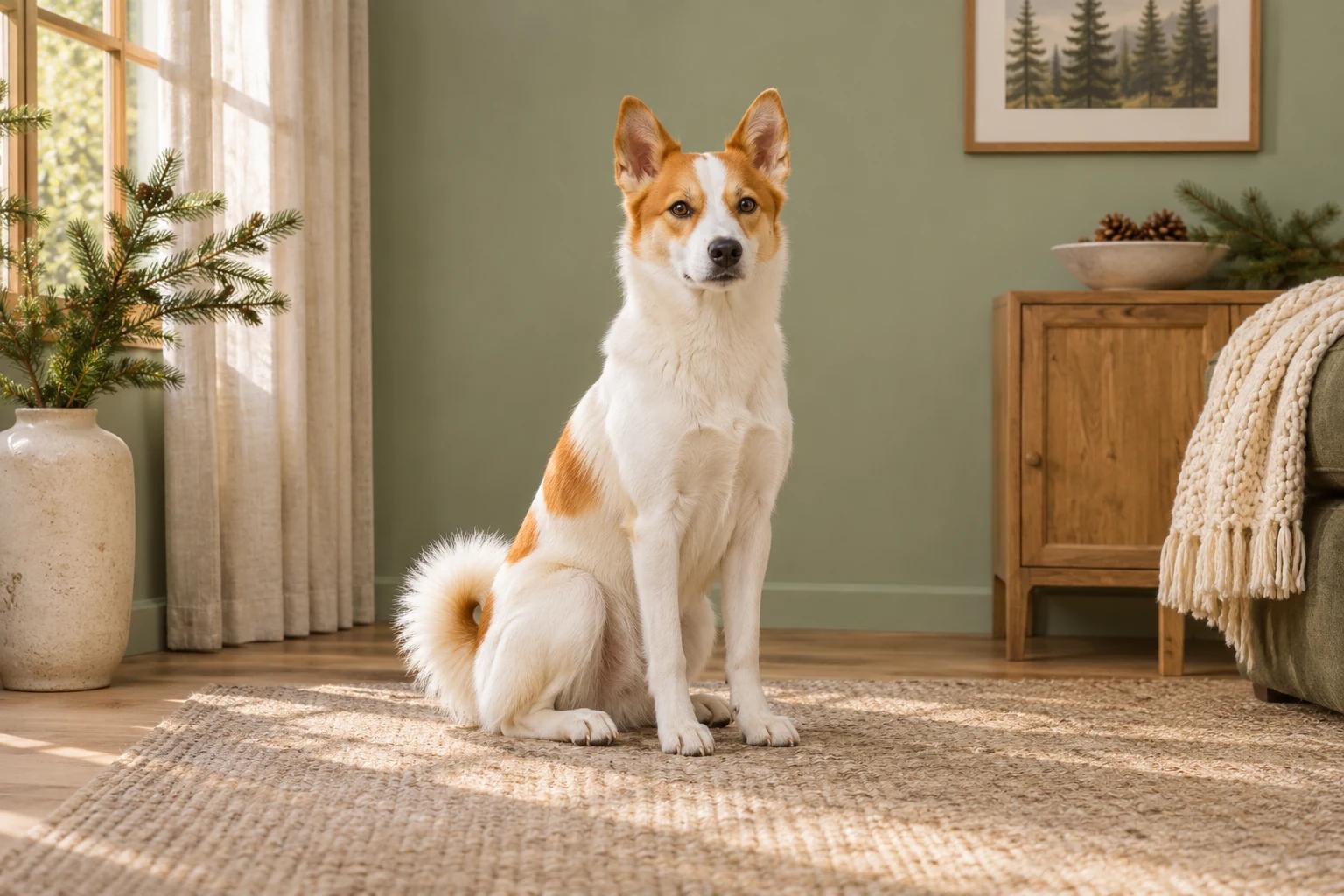
Norrbottenspets training works best as a conversation you make worth joining. This is an alert hunting spitz, not a blank slate waiting for instructions. Your task is to build useful choices while giving the dog room to investigate the world safely. Start with skills that solve real problems: turning toward you, moving with you, returning when called and resting while ordinary life continues.
If you are deciding how to train a Norrbottenspets, first look at your own routine. The skills you need at a busy apartment doorway may differ from those needed beside a rural garden gate. Prioritize the situations your dog will actually encounter.
Norrbottenspets training begins before the distraction
The Swedish Kennel Club describes an alert, cooperative and lively breed with strong hunting interests. That is a reason to prepare for competing attractions, not to label every missed cue stubbornness. Swedish Kennel Club
Make a short list of places where your dog already finds it easy to work with you. A quiet room may be one; the pavement outside your home may not be. Begin a new skill in the easier place, then change the setting gradually. A successful kitchen lesson does not establish that the same response is ready beside wildlife.
Prepare rewards before you begin. Use something the individual wants at that moment, keeping food suitable for the dog and within its daily feeding plan. A toy or permission to investigate a suitable patch of ground may also have value. Notice what genuinely motivates the dog rather than assuming your chosen reward is exciting.
Make attention a practical skill
For your first project, choose a quiet spot and reward the dog for turning toward you. You are building a small, repeatable exchange, not asking for a long stare. Practice while you are standing, then sitting, and later in another easy room.
A useful household application is the pause before leaving. Have everything ready so the dog is not waiting through a search for keys. When it checks in, reward that response and proceed with your departure routine. You can then practice the same exchange near the closed door before adding the difficulty of opening it.
Keep sessions short enough that you can see what is happening. If attention drifts, ask whether the setting became harder, the reward lost its value or you repeated the same task too often. Changing one variable gives you a clearer answer than changing the cue, reward and location all at once.
The American Norrbottenspets Association notes that these dogs may learn quickly but tire of repetitive work. Rotate useful tasks rather than demanding a long string of identical responses. American Norrbottenspets Association
Recall: practice without gambling on the result
AKC's recall guidance recommends beginning with low distraction, rewarding returns and using a secure space or long line when appropriate. It also cautions against repeatedly calling without a response or making every return end the dog's fun. AKC recall guide
For a Norrbottenspets, make a distinction between teaching the word and testing it against an exciting outdoor interest. Start with nearby returns in a familiar room. Later, move to a secure outdoor space where you can choose an easy moment rather than waiting until the dog is absorbed in something else.
Write down the conditions of a successful practice: location, distance and what else was happening. “Returned across the quiet garden” is useful information. “Knows recall” is too broad to guide your next decision.
Do not treat a few good sessions as permission to remove physical safeguards. The breed club identifies prey distractions as a recall challenge. Plan walks where the lead or secure enclosure remains part of the arrangement, while training improves communication within it. American Norrbottenspets Association
Teach a quiet destination, not just a stop signal
Norrbottenspets obedience becomes more useful when a cue tells the dog what to do. “Go to your mat” can be clearer than a stream of instructions to stop moving, stop watching or stop making noise.
Introduce the mat while the room is quiet. Reward interest in it, then standing or lying on it as your training progresses. Keep the first tasks easy and release the dog before increasing the time. Add ordinary household movement in small steps: you sit down, stand up or move a little farther away.
Only later try the routine around more interesting events. A visitor arriving is not the best first lesson. Arrange a manageable rehearsal with another adult rather than waiting for a parcel delivery while you are on a call.
This is not a promise of silence. You are giving yourself a familiar activity to ask for and giving the dog somewhere to go. If it cannot cope with the rehearsal, lower the difficulty rather than turning the mat into a place where it is repeatedly corrected.
Social experience should teach useful expectations
Think of Norrbottenspets socialization as learning how to be comfortable and responsive in everyday settings, not collecting as many greetings as possible. A calm observation from a suitable distance may be more useful than close contact the dog did not choose.
Make a list of relevant experiences: the sound of your building entrance, visitors wearing outdoor clothing, the car being opened, equipment being handled. Introduce one manageable version at a time. For a puppy, ask your veterinarian how to arrange experiences appropriately alongside its vaccination and health needs.
Track what happens after the event as well as during it. Can the dog return to a familiar activity? Does it need more space next time? These notes help you choose the next lesson without assuming that merely staying in a situation meant it was a successful experience.
If you see fear, persistent distress or behavior you cannot safely manage, involve a qualified reward-based trainer and discuss relevant concerns with your veterinarian. You do not need to solve every problem by yourself.
Keep the plan small enough to repeat
Choose one priority for the week and one skill to maintain. For example, rehearse doorway attention and continue easy recall practice, rather than introducing six new cues at once. Agree on the words and actions everyone in the home will use.
Read the Norrbottenspets profile for the wider ownership picture, or use the dog match quiz if you are still choosing. The separate color patches article explains appearance; training decisions should follow the dog's responses, not its markings.
FAQ
Is a Norrbottenspets easy to train?
The breed can be responsive, but ease depends on the task, setting and individual. Start in manageable conditions, make rewards worthwhile and build difficulty gradually. Fast learning does not remove the need for practice around distractions.
Can training make off-lead walks reliable everywhere?
No training establishes reliability in every situation. Keep appropriate physical safeguards and follow local access rules. Recall practice is useful even when your long-term plan is to walk on a lead outside secure areas.
How should I measure progress?
Record the setting and difficulty of a successful response, not just whether it happened once. A skill repeated comfortably in one room is a foundation; using it in a new place is another learning step.
What if my dog stops responding during a session?
Pause and examine the conditions. Reduce distractions, simplify the task or finish and try later. If difficulty persists, a qualified trainer can help assess the lesson rather than treating the dog's response as a character flaw.
Sources behind this article
- Swedish Kennel Club: Norrbottenspets ↗
- American Norrbottenspets Association: About ↗
- American Kennel Club: How to Train a Reliable Recall ↗
Article source checked: November 15, 2026. Source checked 2026-11-15
Keep reading

Affenpinscher Training: Build Useful Everyday Habits
Read article →