Newfoundland training: practical manners for a big dog
Make Newfoundland training useful at doorways, on walks and during coat care, with clear goals and manageable everyday practice.
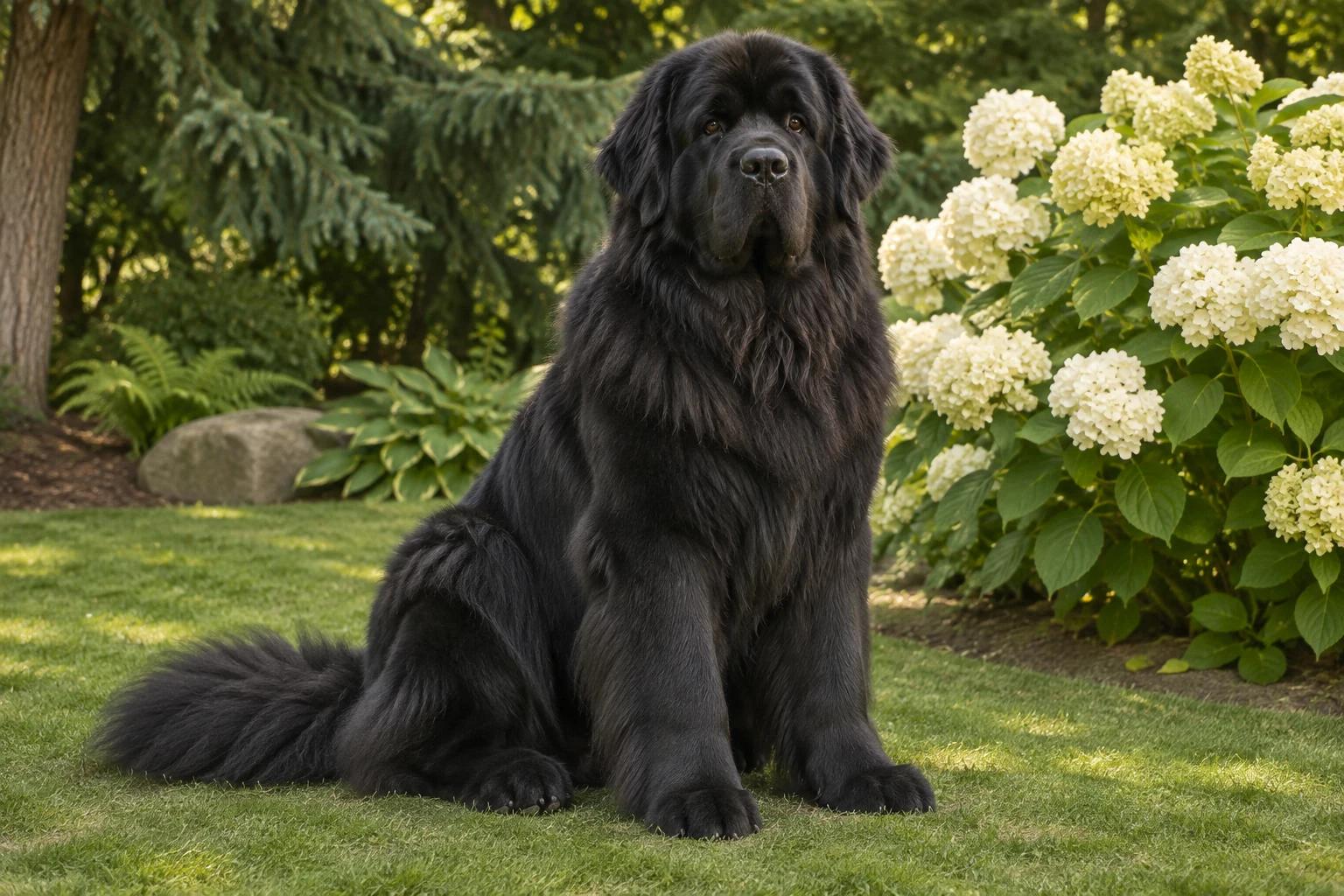
Newfoundland training should make ordinary life easier to share. A dog who can pause while a door opens, walk without hauling the handler and cooperate with a brief grooming step has learned something valuable, even without a collection of formal titles. Start with the situations that will happen repeatedly in your home.
Write those situations down before selecting exercises. For a Newfoundland, the list often includes moving through narrow spaces, greeting people without crowding them and standing or resting comfortably during coat care. Each goal becomes more teachable when you describe a visible action rather than asking the dog simply to behave.
Newfoundland training begins with usable household goals
The AKC Newfoundland puppy guide recommends reward-based foundations and brief, pleasant grooming practice. Its reminder that a large puppy is still immature is particularly useful: plan learning around experience, not the impressive size of the learner.
Choose one small objective for a practice opportunity. At the entrance, that might be remaining beside you while your hand touches the handle. During coat care, it might be staying comfortable while the brush is presented. You can build a fuller routine later without asking for every part at once.
Make the setup convenient for the human too. Keep suitable rewards accessible before bringing out the equipment, and clear enough floor space for the dog to turn. If you spend the first part of every session searching for supplies, it becomes harder to notice and reward the behavior you wanted.
Teach the doorway before the exciting exit
A Newfoundland can fill an entrance, leaving little space to recover if people and dog all try to move simultaneously. Decide where you would like the dog to wait while someone handles the door. Choose a position that does not require squeezing between legs or backing into furniture.
Practice when no delivery, visitor or urgent outing is underway. Reward a brief pause in the chosen place, then release the dog to move with you. Once that small task is familiar, add a little of the door routine. If opening the door changes everything, reduce the movement rather than repeating the cue more loudly.
Household agreement matters here. One person cannot build a waiting habit while another routinely invites a rush through the same doorway. Use the same release word and explain what it means to anyone who walks the dog. Physical barriers and a secured lead still do the essential management work while learning develops.
How to train a Newfoundland to walk with you
The Newfoundland Club of America's leash guide advises checking equipment fit as puppies grow and beginning in familiar places with few distractions. Those two principles are more useful than buying increasingly elaborate equipment without changing the practice environment.
Pick a short, uncluttered stretch where you can move together without needing to reach a destination. Reward the dog for staying in the area where you want it to walk. Start with a few manageable steps rather than measuring success by how far you travelled.
Think about where your hand delivers the reward. If you want the dog beside you but repeatedly reach far ahead, your setup is sending a different message. Keep your movements comfortable and consistent, with enough room that neither of you is stumbling over the other.
If the dog becomes absorbed by something ahead, create more distance from that distraction and return to a simpler task. Do not make a busy promenade the first test of a newly learned skill. Arrange qualified reward-based help early if the handler cannot manage the dog's strength comfortably; waiting for full adult size is not a training strategy.
Make coat care a conversation with breaks
For a substantial coated dog, cooperation during grooming belongs in everyday Newfoundland obedience rather than on a separate list of cosmetic concerns. Choose a stable, comfortable place and work on small pieces of the routine before expecting a complete session.
Let the dog become familiar with the equipment, reward comfortable participation and pause before the interaction becomes a struggle. You might practice moving into the grooming space during one opportunity and a brief brush contact during another. The aim is a predictable routine, not completing every possible task while the dog happens to be available.
Ask your groomer to demonstrate positions and handling that suit the dog's coat and your abilities. Record the agreed routine so other caregivers do not introduce a completely different sequence. If touch appears uncomfortable or behavior changes unexpectedly, ask the veterinarian rather than attempting to train through possible discomfort.
Socialization does not mean greeting everybody
Newfoundland socialization should help your dog encounter ordinary life without needing to participate in everything. A passing person can remain a passing person. Another dog across the street does not automatically become an introduction.
Choose situations where you can control distance and leave easily. At a quiet outdoor spot, your goal might be watching a few people pass and then returning attention to you. That is a meaningful outing even if nobody pets the dog and no photograph is taken.
For a puppy, ask the veterinarian about suitable exposure arrangements during its vaccination schedule. For an adult joining your household, start with its known experience rather than assuming it needs the same sequence as a puppy. Keep new outings short enough that you can observe the dog, adjust and finish without turning the return trip into a logistical problem.
Keep a small record of real progress
Instead of writing “good walk,” note what worked: the dog stayed beside you from the gate to the corner before traffic became distracting. Next time, you have a sensible starting point. A record also makes it easier for a trainer to distinguish a skill that is not yet learned from one that is difficult only in a particular setting.
Review household priorities occasionally. If polite entrances are improving but grooming remains awkward, shift some practice there rather than repeating the most enjoyable exercise indefinitely. Useful training is allowed to look ordinary.
Explore the Newfoundland profile for the broader ownership commitment. The existing drafting control and teamwork article explains a separate formal activity, while the dog match quiz can help you consider whether daily giant-dog handling fits your routine.
FAQ
When should Newfoundland training begin?
Begin with gentle, manageable routines when the dog joins your home. Match expectations to age and previous experience. A large puppy still needs simple practice, and an adult newcomer needs time to understand your household's cues.
What matters most in Newfoundland obedience?
Prioritize behaviors that make everyday handling workable: waiting at entrances, walking with the handler, returning attention and participating comfortably in care. Choose goals based on your actual home rather than collecting commands without a clear use.
What if my Newfoundland pulls too strongly?
Avoid increasingly difficult walking situations while you arrange help. Have equipment fit checked and consult a qualified reward-based trainer for an individual plan. The handler's ability to manage the dog matters more than completing a particular route.
Sources behind this article
- American Kennel Club: How to Train a Newfoundland Puppy ↗
- Newfoundland Club of America: Teaching Reliable Leash Walking ↗
Article source checked: November 15, 2026. Source checked 2026-11-15
Keep reading

Affenpinscher Training: Build Useful Everyday Habits
Read article →