Mountain Cur training: focus for an outdoor-minded dog
Plan Mountain Cur recall, attention and daily training with realistic distractions, useful rewards and clear household routines.
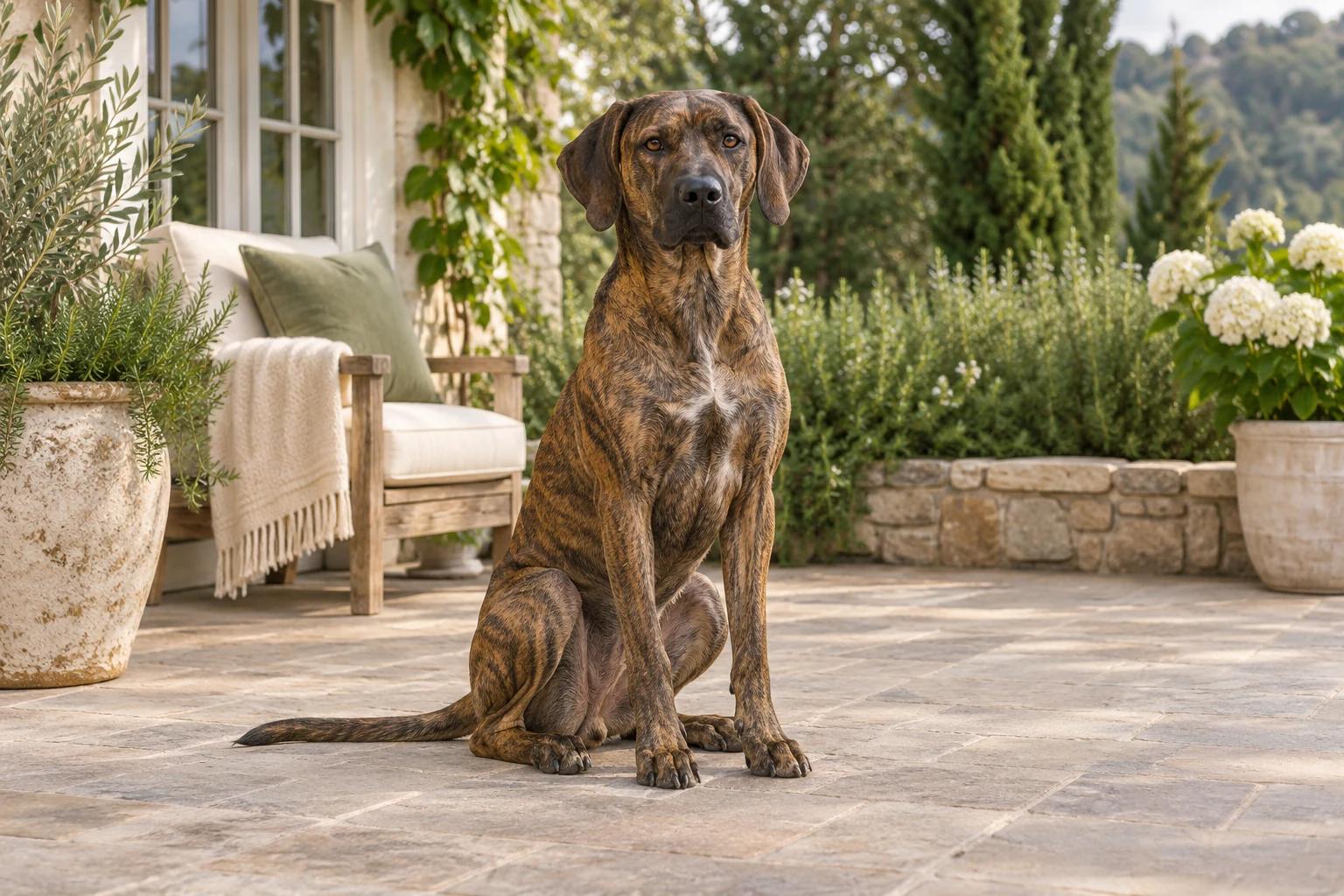
Mountain Cur training should give an outdoor-minded working dog clear ways to cooperate with you. The aim is not to erase interest in the environment. It is to build communication that remains useful when the world offers something more interesting than the living room. That takes planned practice, suitable management and a person willing to pay attention to the dog's experience.
Choose your first goals from daily life: returning toward you, moving through a gate with you and settling after an outing. Those skills are useful long before a polished obedience routine.
Mountain Cur training begins with shared work
The UKC breed standard emphasizes the value of human contact in training. The AKC's Mountain Cur introduction also places the breed in a working and treeing background. Together, these descriptions suggest that daily engagement deserves a place in your plan, not just access to outdoor space.
A yard may provide room, but it cannot explain what you mean by “come,” “wait” or “this way.” Write down what each cue should look like. For example, a recall might mean approaching close enough for you to attach a lead, not merely running in your general direction.
Ask previous caregivers which cues the dog already knows and what words they used. Keeping a familiar word can be simpler than changing everything at once. If you need to teach a new version, start in an easy setting rather than assuming the dog understands your preferred vocabulary.
Build attention before competing with the whole landscape
When deciding how to train a Mountain Cur, consider the environment as part of the lesson. Your kitchen, an empty yard and a path with wildlife activity are not interchangeable classrooms. Begin where the dog can notice you without abandoning its most compelling interest.
The UC Davis veterinary school's recall guidance recommends rewarding attention to the dog's name and developing recall through positive reinforcement. It also cautions that training is never completely reliable and does not replace a lead in dangerous settings.
A practical first assignment is to notice when the dog checks in during an easy outing. Be ready to acknowledge and reward that contact. Keep your supplies accessible so you are not searching a pocket after the dog has already turned away.
Create a list of practice locations from easiest to hardest based on your observations. The quiet corner of a familiar enclosed space may come first. A busy path belongs later, if it is appropriate at all. The list is a planning aid, not a schedule the dog must meet by a particular date.
Teach a return that does not always end the fun
Recall practice should make returning worthwhile. Set up easy repetitions in a secure setting, use the cue clearly and reward the arrival. Avoid calling repeatedly when you already know the dog is unlikely to respond.
Sometimes returning can lead to another enjoyable activity rather than the immediate end of the outing. You might reward the dog, pause together and then allow further exploration within the managed area. This is a useful contrast to making every call predict departure.
Practice the final part of the return too. Decide where you want the dog to arrive and how you will attach equipment calmly. A dog rushing past you is not the same result as a dog you can comfortably prepare to leave.
Keep the difficulty modest when another person helps. Explain who gives the cue, who rewards and where everyone stands. Two people calling at once turns a planned exercise into a confusing choice.
Give the dog a task, not an endless examination
Mountain Cur obedience can include short, practical sequences: approach, pause, move beside you through a doorway, then continue the outing. Choose one portion to improve rather than demanding perfection from the entire sequence every time.
For example, if clipping the lead on is the difficult step, rehearse that preparation indoors when no walk is imminent. Lay out the equipment first and keep the session calm. Once the preparation is familiar, you can begin connecting it to the real departure.
A search activity can provide a different kind of shared task. Begin with an easy toy find in a controlled area and make the setup clear enough that the dog can succeed. Keep outdoor exploration separate from any expectation of pursuing wildlife; you can offer interesting work without creating an uncontrolled chase.
Ask an instructor about suitable activities if you want a structured hobby. Observe a class before enrolling where possible. Look for clear explanations, manageable spacing and a willingness to adjust an exercise rather than simply increasing pressure when a dog struggles.
Plan socialization around the actual life ahead
Mountain Cur socialization should include the places, sounds and people the dog will encounter, with introductions matched to its comfort and experience. A dog that lives quietly with familiar people does not automatically know how to handle a crowded event.
Make a list of recurring situations: a visitor entering, a veterinary waiting area, passing another dog or waiting while a gate opens. Break each into smaller parts. Seeing a visitor at a distance is different from being approached and touched immediately.
You do not need to force greetings to make an outing worthwhile. Give the dog space to observe and leave room to move away. If fear or escalating reactions are persistent, ask a qualified reward-based professional for an individualized plan; discuss sudden changes with your veterinarian.
For puppies, obtain veterinary guidance about appropriate outings and contact while planning early learning. Do not use an online checklist as a substitute for advice about the puppy's circumstances.
Keep a short record of what worked
After practice, note the cue, location and distraction level. “Returned in the enclosed yard when nothing was moving nearby” is more informative than “recall done.” It tells the next caregiver what has actually been rehearsed.
Also note the household arrangements supporting the lesson. A latched gate, prepared lead and agreed visitor routine remain useful even as training improves. Skills and management should reinforce each other.
The Mountain Cur profile describes the broader commitment. Our voice questions article addresses a separate subject, while the dog breed quiz helps prospective owners consider whether this level of daily participation fits their lives.
FAQ
Does intelligence make a Mountain Cur automatically obedient?
No. A dog still needs to learn your cues and practice them in relevant settings. Interest in work is a reason to provide clear lessons, not evidence that the lessons are unnecessary.
When can I trust a Mountain Cur off lead?
There is no universal point at which recall becomes infallible. Consider the individual, location and legal requirements, and retain a lead wherever losing control would create danger. Secure practice is different from unrestricted access.
What if my Mountain Cur responds indoors but not outside?
Treat the outdoor setting as a harder lesson. Choose a quieter area, reduce the challenge and reward achievable responses. A trainer can help you arrange that progression rather than simply repeating the cue more forcefully.
Sources behind this article
- United Kennel Club: Mountain Cur ↗
- American Kennel Club: Mountain Cur ↗
- UC Davis School of Veterinary Medicine: Recall Training in Dogs ↗
Article source checked: November 15, 2026. Source checked 2026-11-15
Keep reading

Affenpinscher Training: Build Useful Everyday Habits
Read article →