Minuet cat grooming: combing, handling and coat care
Learn Minuet cat grooming with combing methods, gentle kitten handling and sensible cleaning boundaries for individual coats.
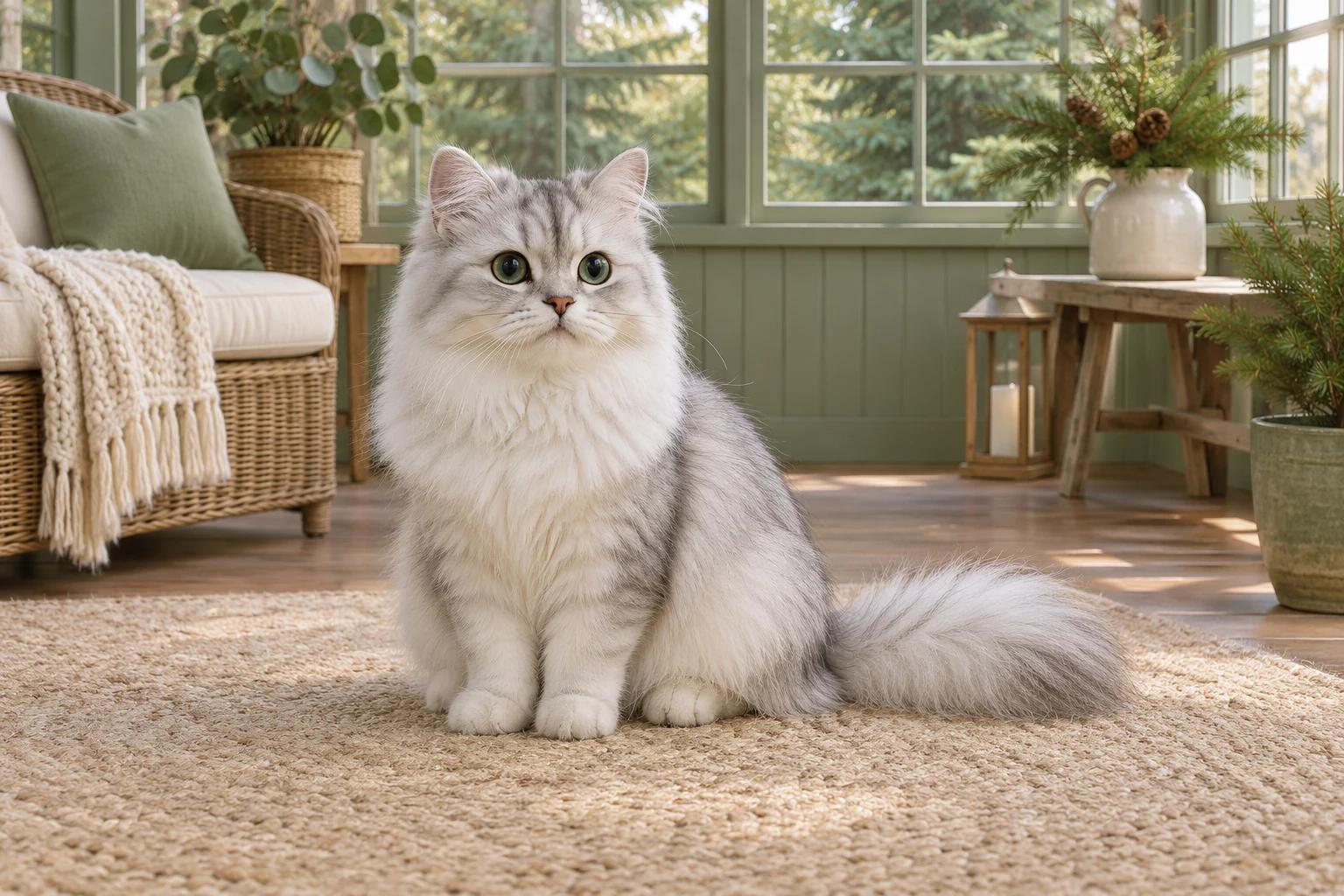
Minuet cat grooming is a practical task rather than a beauty competition. The useful question is what your hands and comb should actually do, not whether the finished cat resembles a photograph. A grooming routine has several separate parts: understanding the coat, working through it appropriately, helping the cat participate and deciding whether anything beyond ordinary combing is needed. Treating all four as one uninterrupted appointment can obscure which part needs attention.
This guide explains those distinctions for owners, with breed information from TICA and clearly identified general feline guidance. It does not prescribe a show preparation, haircut or medical treatment. Start with the Minuet profile for the breed’s broader context; the methods below concern everyday care rather than exhibition results.
Minuet cat grooming starts beneath the surface
TICA’s Minuet guidance describes a plush coat with undercoat in both hair lengths. Individual density varies. Its breed committee recommends a steel comb combining closely and more widely spaced teeth, reaching through the coat rather than merely passing over its surface. TICA’s Minuet guidance recommends daily combing.
For Minuet cat coat care, that means distinguishing a smooth-looking top layer from a combed-through coat. A brush gliding across the outside does not establish what happened underneath. Work attentively through the part being groomed instead of counting long, superficial passes as completion. TICA particularly identifies the areas behind the ears, the tummy and between the legs as places needing attention. Those areas deserve consideration, not an assumption that the visible back represents the entire coat.
The same description also explains why two Minuets need not feel identical under the comb. Coat length and density are separate features; do not choose the method solely from the word “short” or “long.”
Move through the hair without rushing the finish
AdelaideVet’s coat-care guidance describes using a wide-toothed comb for long hair, taking particular care around the armpits and between the hind legs. It follows combing with a rubber mitten or pad to collect excess loose hair, then a damp cotton or rubber glove for remaining loose strands. This is general feline technique, not a procedure studied specifically in Minuets.
The sequence separates loosening and collecting. If hair has been released but remains resting on the coat, repeatedly combing the same area is not the only finishing step. Use a gentle tool for collection rather than making the comb do every job.
AdelaideVet also advises stopping when the cat becomes restless or stressed and returning when it is relaxed. The objective is appropriate care, not completing a preset number of strokes before allowing the cat to move away.
Help a kitten learn what brushing involves
VCA’s kitten guidance recommends frequent small treats, praise and petting during brushing. It also suggests a smear of a suitable lickable treat on a counter or other surface to occupy the kitten. These are general kitten-handling suggestions, not evidence that Minuets automatically enjoy grooming.
A useful application is to separate the first comfortable experience from the eventual full routine. If your kitten is comfortably taking the offered treat, introduce a little brushing rather than treating its interest in food as permission for unlimited handling. Keep the food and the brushing connected in time, so the positive experience accompanies the task instead of arriving only after a prolonged struggle.
Choose a suitable accessible surface for that individual kitten; “counter” describes one example, not a requirement to place a kitten at height. The important element is the reward being available where the kitten can comfortably use it. Praise should accompany what the kitten is actually accepting. It is not a substitute for adjusting an interaction that is not working. Ask your veterinary team for individual handling help when needed.
Keep cleaning proportionate to the actual task
The San Francisco SPCA’s home-grooming guide says cats do not typically need baths. When cleaning is necessary, it recommends washing and rinsing only the affected area where possible, followed by towel-drying. That distinction prevents ordinary coat maintenance from automatically becoming a full-body bath.
For an owner considering how to groom a Minuet cat, first distinguish combing from cleaning something off. They answer different questions. A routine combing session does not itself establish a reason to wet the entire animal. Likewise, a localized cleaning task need not turn into washing every part of the coat by default.
The SPCA also notes that another resident cat may react to the changed scent after bathing. It recommends keeping the cats separate until the washed cat is fully dry. Include that endpoint after washing, rather than assuming that towel use alone means the whole interaction is finished. This is general household guidance, not a claim about a special Minuet scent or temperament.
For a different aspect of everyday care, read planning accessible resting routes. That article addresses movement around the home, not the combing methods discussed here. The cat quiz can help organize wider breed preferences; it is not an assessment of an individual cat’s coat or handling needs.
Frequently asked questions
Does short hair remove the need for Minuet coat care?
Minuet coat care still needs attention to the undercoat. TICA describes both coat lengths as plush, rather than treating the short version as coat-free maintenance.
How should owners approach loose Minuet hair after combing?
For Minuet cat shedding during grooming, AdelaideVet’s general method separates combing from collecting released hair with a suitable mitten or glove. Do not confuse hair left on the surface with a reason to keep combing indefinitely.
Does every Minuet grooming session need a bath?
Minuet grooming does not automatically require bathing. The San Francisco SPCA distinguishes routine care from necessary cleaning and recommends limiting washing to the affected area where possible.
Sources behind this article
- TICA: Minuet ↗
- AdelaideVet: caring for your cat’s coat ↗
- VCA: grooming a kitten ↗
- San Francisco SPCA: grooming at home ↗
Article source checked: November 16, 2026. Source checked 2026-11-16
Keep reading

Abyssinian Cat Grooming: Care for the Short Ticked Coat
Read article →