Miniature American Shepherd training: useful foundations
Build Miniature American Shepherd training around clear household skills, gradual distractions and thoughtful socialization rather than harder drills.
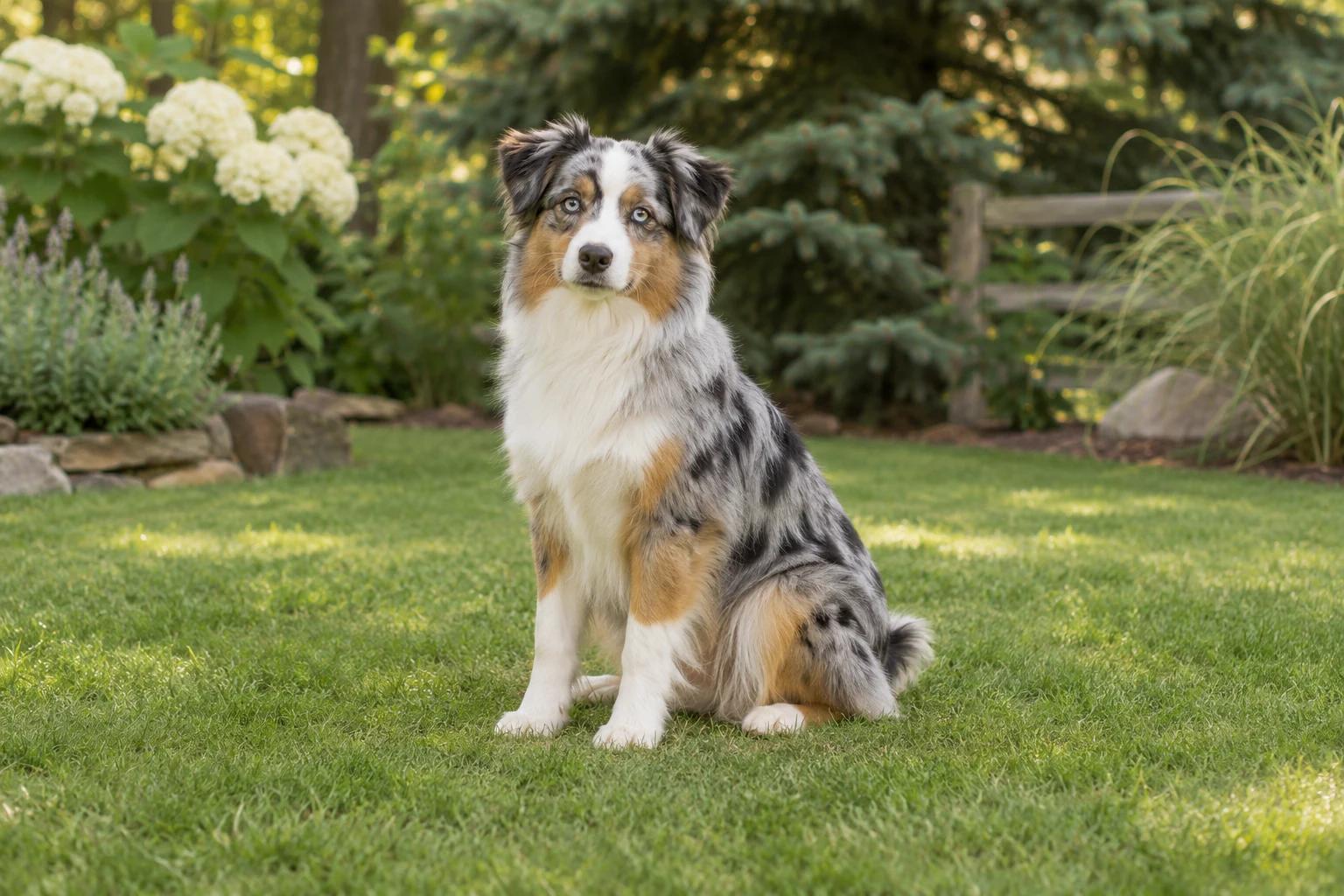
Explore the
Miniature American Shepherd
Background, care, and everyday considerations.
View breed profile →Miniature American Shepherd training works best when cleverness is treated as an invitation to teach clearly, not a reason to skip the foundations. A dog may learn a pattern quickly while still needing help with a new room, a moving distraction or a change in your instructions. Start with the skills that will make daily life easier for both of you.
Your first plan does not need an impressive list of tricks. It needs a few understandable goals, a suitable place to practice and agreement among the people who will use those skills. You can add a hobby once the ordinary routines are taking shape.
Miniature American Shepherd training starts with a useful goal
The American Kennel Club's breed-fit guide recommends early training and socialization and identifies obedience, agility and tracking as possible activities. You do not have to begin with a sport to give learning a place in your dog's life.
Choose one household problem you want to prevent through teaching. Perhaps the entryway becomes crowded while you collect a lead, or you want the dog to rest nearby while you prepare a bag. Describe the desired action without vague words such as “behave.”
A goal like “go to the familiar mat while I collect walking equipment” gives a trainer something concrete to help you teach. It also makes it easier to see which part is unclear. Is finding the mat difficult, or is remaining there while you move the challenge?
Make a one-page training agreement
If several people will handle the dog, write down the cue, the intended action and how practice will be rewarded. Keep the wording consistent. Do not ask one word to mean three different things depending on who speaks.
Add a note about where the skill has been practiced. “Works in the quiet sitting room” is more accurate than “knows it.” That distinction helps another caregiver avoid asking for too much in a busy entrance and then assuming the dog is ignoring them.
Include a place for questions. A short note such as “gets up when the bag moves” is useful feedback for your next lesson. You do not need a complicated spreadsheet, but a record prevents every session from starting with a different guess about what happened last time.
Change one part of difficulty at a time
The AKC's guide to duration, distance and distraction explains that these are separate challenges. A dog performing a skill beside you in a quiet setting has not automatically learned to do it for longer, farther away or amid more activity.
When developing a familiar behavior, change one feature while keeping the others manageable. If the dog struggles, return to an easier version rather than adding repeated cues. Work with your trainer on appropriate steps and rewards for the skill you are teaching.
For your practice notes, name the change precisely. “I moved farther away” tells you more than “we did an advanced session.” This approach is especially useful when an enthusiastic household is tempted to make everything harder at once because the dog did well yesterday.
Put everyday obedience ahead of performance
Miniature American Shepherd obedience should first help you navigate ordinary life: moving with you, responding in familiar situations and cooperating with routine care. The breed profile highlights substantial mental engagement, but that does not require a constant stream of new tasks.
Choose projects with an actual use. A dog that can perform an elaborate trick may still need help waiting while a gate is secured. A small set of well-practiced skills can make outings easier than a long list that works only in one room.
Ask a class instructor how they connect lessons to daily situations. Discuss the environments you use and the equipment you already have. If you want to explore sports later, ask which foundations serve both home life and the activity, without rushing into physically demanding exercises before veterinary guidance supports them.
Treat socialization as an experience, not a collection
Miniature American Shepherd socialization is not a contest to accumulate the largest number of greetings. AVSAB's discussion of socialization emphasizes watching the puppy's responses and using manageable, positive experiences rather than overwhelming exposure.
Choose an introduction with a clear purpose and an easy way to leave. Notice whether the dog remains comfortable; reduce the intensity or seek help when it does not. Ask your veterinarian about appropriate settings and your trainer about a plan that suits the individual, especially when the dog is young or uncertain.
A useful socialization note describes what the dog experienced and how it responded, not simply the place visited. “Observed people at a distance and remained comfortable” tells you more than a tick beside “town center.” You are learning what arrangement works, not trying to complete a map.
Give practice a beginning and an end
Set out what you need before starting, and choose a small goal for that session. You can then finish without feeling you must add another challenge simply because supplies are still on the counter. Leave time for ordinary life between teaching sessions.
For a compact, engaged herding dog, it is easy to make every interaction feel like an assignment. Decide which moments are for practice and which are simply shared downtime. Ask your trainer how to communicate that distinction consistently rather than improvising a new rule each evening.
Keep the practice area usable. Clear objects that interfere with movement and avoid creating a course through slippery or cluttered furniture gaps. If your space is limited, describe it to the instructor so they can adapt the lesson instead of expecting you to reproduce a large training hall at home.
Troubleshoot the setup before judging the dog
When asking how to train a Miniature American Shepherd through a sticking point, bring a precise example. What cue did you use? Where were you standing? What had changed? What happened next? These details help a professional distinguish a missing teaching step from an environmental problem.
Do not rely on stronger correction because the breed is considered bright. A reward-based trainer can help clarify the task. If willingness or behavior changes suddenly, consult your veterinarian rather than treating every difficulty as an obedience issue.
Prospective owners can use the dog match quiz to consider whether regular teaching fits their interests. The existing breed-name and paperwork article addresses a different question. For training, focus on the learner in front of you and the practical skills you need together.
FAQ
Does a Mini American need a dog sport to be trained?
No. Everyday skills are worthwhile training goals. Sports can be an enjoyable later option, but start with clear instruction, suitable practice and the routines your household actually needs.
Why does a known cue fail in a new place?
A new location can change the difficulty substantially. Distance, distractions and duration also matter. Return to a manageable version and work with your trainer to build the skill across settings instead of assuming deliberate disobedience.
Is socialization the same as meeting every dog and person?
No. The quality of the experience matters more than collecting greetings. Observe the individual's comfort, choose manageable situations and seek veterinary and training guidance for an appropriate plan.
Sources behind this article
- American Kennel Club: Is the Miniature American Shepherd a Good Fit for You? ↗
- American Kennel Club: The Three Ds of Dog Training ↗
- American Veterinary Society of Animal Behavior: Socialization is more than mere exposure ↗
Article source checked: November 15, 2026. Source checked 2026-11-15
Keep reading

Affenpinscher Training: Build Useful Everyday Habits
Read article →