How often should you groom a Maine Coon?
Build a gentle routine around the coat in front of you and your cat’s comfort.
Find a comfortable rhythm.
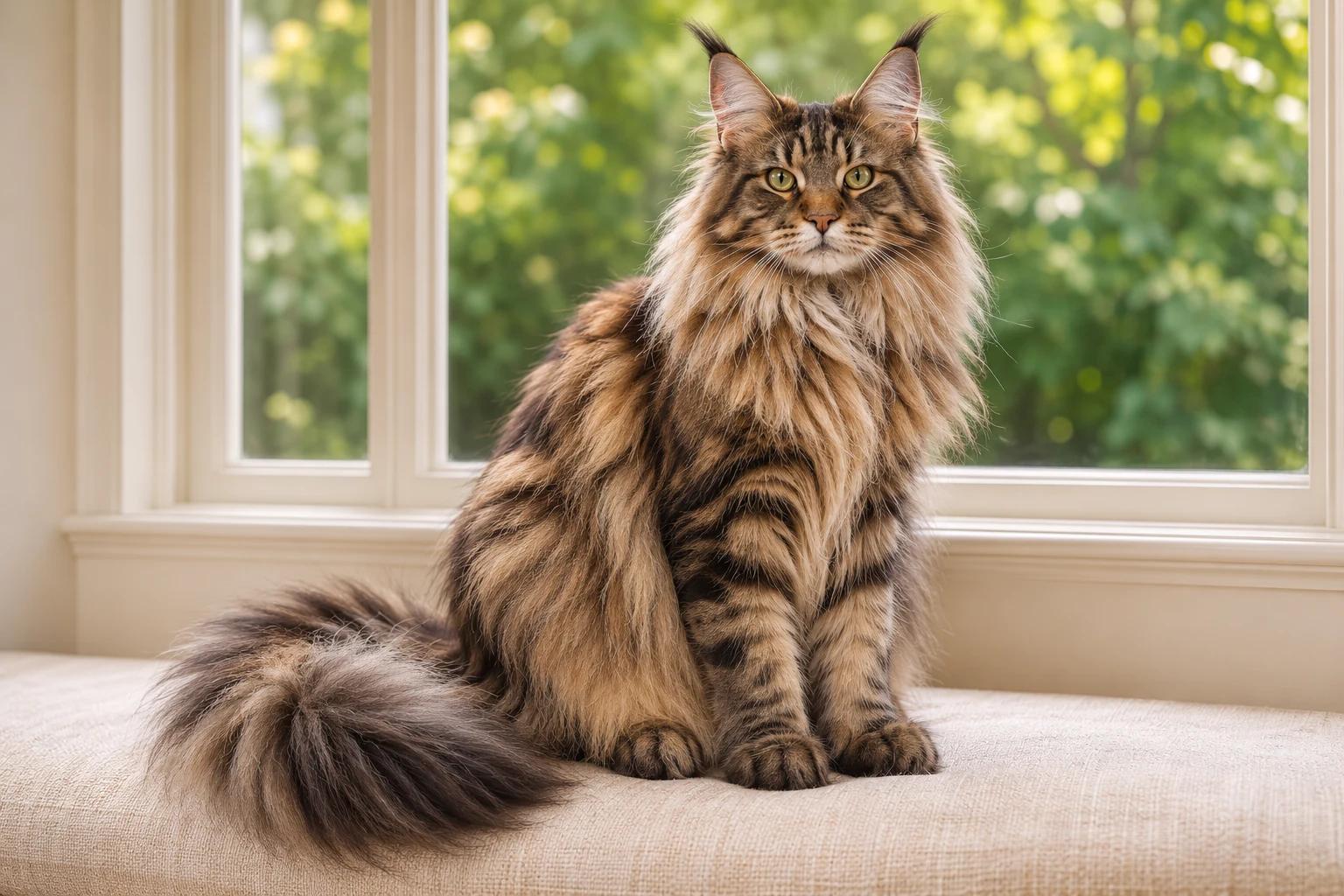
Look over the coat each day. Ask your veterinary team to show a gentle routine suited to your cat’s coat and tolerance.
Keep it manageable.
Use brief, calm sessions and keep tools together. Pause when your cat needs a break.
Ask about the tools.
Get a demonstration before choosing equipment. Never drag a comb through a painful knot.
Know when to get help.
Leave tight or extensive matting to a professional. Sore skin or a sudden change in grooming deserves a veterinary conversation.
A careful stopping point
Never use scissors on mats. Seek professional help for difficult tangles.
Treat bathing as a separate question.
Discuss whether bathing is needed for this cat. A fixed calendar should not replace individual advice.
Read the full article
Build a manageable Maine Coon grooming routine: daily coat checks, gentle combing, tangle prevention and signs that need professional help.
Start with a daily coat check
Plan to check your Maine Coon’s coat every day and make room for regular, gentle combing. There is no single timetable that suits every coat. The Cat Fanciers’ Association suggests combing Maine Coons two or three times a week; veterinary guidance from VCA and Cats Protection recommends daily brushing for long-haired cats. Treat the breed schedule as context rather than a reason to ignore developing tangles.
For a new owner, a daily opportunity to look and gently groom is a useful starting routine. Ask your veterinary team to demonstrate what your own cat needs. A coat that stays comfortable between sessions and a cat who tolerates the handling matter more than completing a fixed number of minutes. If knots are appearing between sessions, revisit the technique and schedule with professional help.
Make the routine easy to repeat
Choose a quiet moment when you can pay attention to your cat. Keep the equipment together so a brief opportunity does not become a hunt for the comb. Introduce handling gradually, with little restraint, and work in short sessions rather than trying to finish the whole coat at once. A kitten or newly adopted adult may need time simply to become comfortable with the equipment.
Keep a simple note for the first week: what you checked, where a snag appeared and when your cat wanted to stop. This is a household planning tool, not a medical score. It can help another caregiver follow the same routine and gives you concrete examples to discuss if grooming becomes difficult.
Choose tools and check beyond the surface
A long-toothed metal comb can be useful for a long coat; ask your veterinary team which tool and technique suit your cat. Work gently and avoid pulling through resistance. Include the areas behind the ears, under the front legs and around the back legs in your checks, as tangles can develop there. Do not assume a tidy-looking back means the rest of the coat is clear.
Before buying several tools, ask for a demonstration with the one you intend to use. Notice how the professional positions the cat and recognizes discomfort. If you cannot comfortably reach an area, explain that rather than holding your cat down to finish. A realistic routine includes knowing which parts you need help with.
Stop when a knot needs professional help
Do not cut mats out with scissors: it is easy to injure the skin. Large or extensive mats need a professional groomer or veterinarian; skin irritation should be assessed by a veterinarian. Stop trying to comb out a knot if doing so pulls or hurts. Arrange help instead of making repeated attempts at the same sore spot.
A change in grooming habits also deserves attention. Contact your vet if your cat suddenly grooms much less or more, develops bald patches or sore skin, or becomes sensitive to touch. A coat-care problem can be a reason to seek a health assessment, rather than simply adding longer grooming sessions.
Do Maine Coons need regular baths?
Most healthy adult cats rarely need bathing, according to VCA. Do not add baths just to fill a calendar. Ask your vet about unusual soiling, repeated bathing needs or a skin problem; any bathing products should be suitable for cats. Bathing does not replace checking for tangles.
Before committing to a Maine Coon, decide who will handle everyday coat care and who can cover it during travel or illness. Ask the current caregiver to show you the individual cat’s routine, including any professional help already needed. Budgeting for assistance is more useful than assuming a long coat will always be easy to manage.
Sources behind this article
Article source checked: October 22, 2026. Source checked 2026-10-22
Keep reading
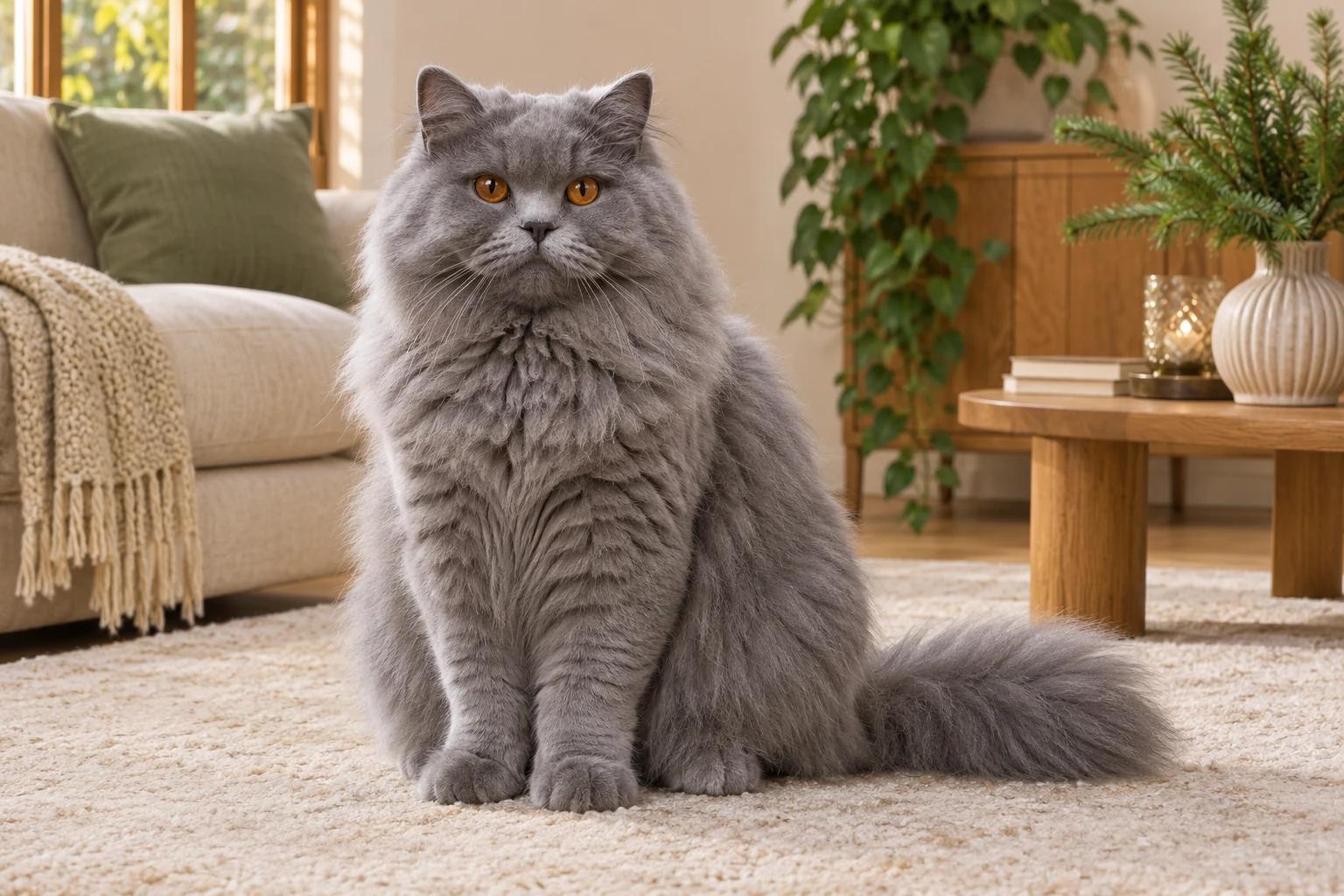
British Longhair: questions for a groomer
Read article →