Questions to ask before booking a British Longhair with a groomer
Prepare for a British Longhair grooming booking with questions about coat assessment, handling, veterinary referral and an achievable home-care handover.
Explain the coat problem before asking for a package
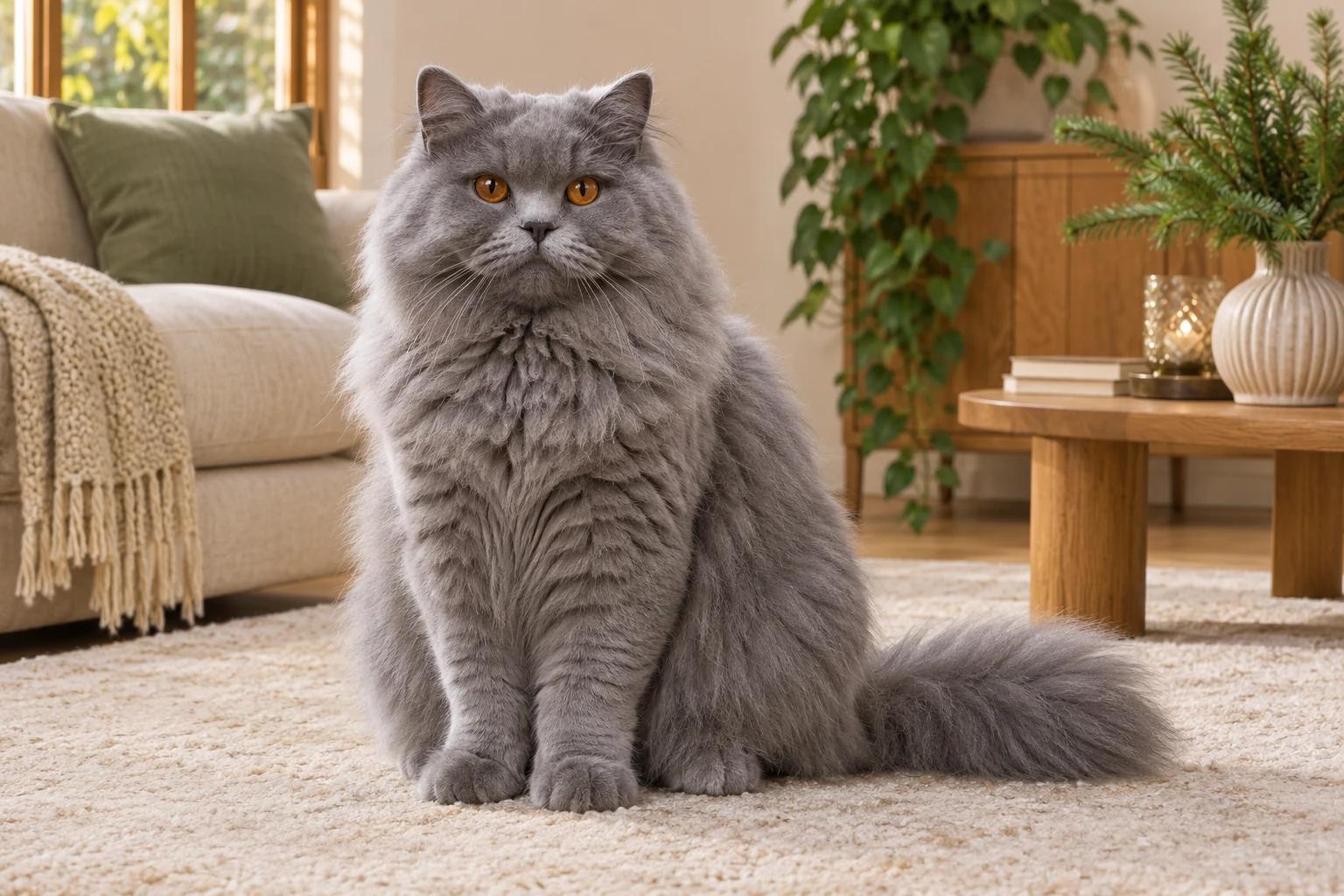
TICA describes the British Longhair as the longer-coated counterpart to the British Shorthair. That extra coat makes it worth discussing maintenance, but it does not tell a groomer what your cat currently needs. Before booking, decide whether you are seeking routine help, advice on home care or attention to a particular problem.
Prepare a plain description: which areas concern you, how long you have noticed them and what grooming the cat currently accepts. Ask whether the groomer wants photographs before the appointment. Do not pull at a difficult area just to obtain a better picture. A request for assessment is more useful than selecting a cosmetic package whose contents you have not discussed.
Ask where grooming ends and veterinary care begins
Cat Friendly Homes recommends veterinary discussion when personal grooming changes and veterinary assessment for bald areas or damaged skin. If those are part of your concern, contact your vet before treating the booking as a routine beauty appointment. Explain the change and ask which professional should see the cat first.
When speaking with a groomer, ask how they identify situations they will refer rather than continue. Ask what happens if the coat is more difficult than expected. Do not agree to an undefined amount of work simply because you hope everything can be resolved in one visit. Any decision about medical treatment or sedation belongs with a veterinarian, not a pre-booking product menu.
Discuss the cat’s experience as carefully as the result
Ask about the groomer’s experience with cats, the environment the cat will wait in and how they respond when a cat is no longer coping. Describe previous reactions to combs, noise or handling honestly. An affectionate British Longhair at home may behave differently with unfamiliar people and equipment; the breed label cannot replace that information.
Agree on a modest priority and how the groomer will contact you if the plan needs changing. Questions can include whether a consultation is possible, what information they need from your vet and what would make them stop. No answer can guarantee a stress-free appointment, but a clear conversation lets you judge whether the proposed care fits the individual cat.
Request a home-care handover you can actually follow
Before leaving, ask for a demonstration of any suggested home tool and which areas to prioritise. Cat Friendly Homes favours short, frequent grooming opportunities over occasional long sessions. Discuss what that principle looks like for your cat, rather than translating it into a fixed timetable without considering comfort, coat condition or professional advice.
Write down the agreed routine and the signs that should prompt another call. Tell other caregivers what you were shown so they do not add different tools or techniques. Keep the first follow-up focused on whether the plan is manageable and whether the cat tolerates it. A useful British Longhair grooming booking leaves you with clearer care decisions, not merely a before-and-after photograph.
Sources behind this article
Article source checked: October 22, 2026. Source checked 2026-10-22
Keep reading
How often should you groom a Maine Coon?
Read article →