Keeping a useful Lykoi coat-change diary for your vet
Record your Lykoi’s coat changes with dates, comfortable photos and clear observations, without assuming every bare area is a normal moult.
Use breed context without making it a diagnosis
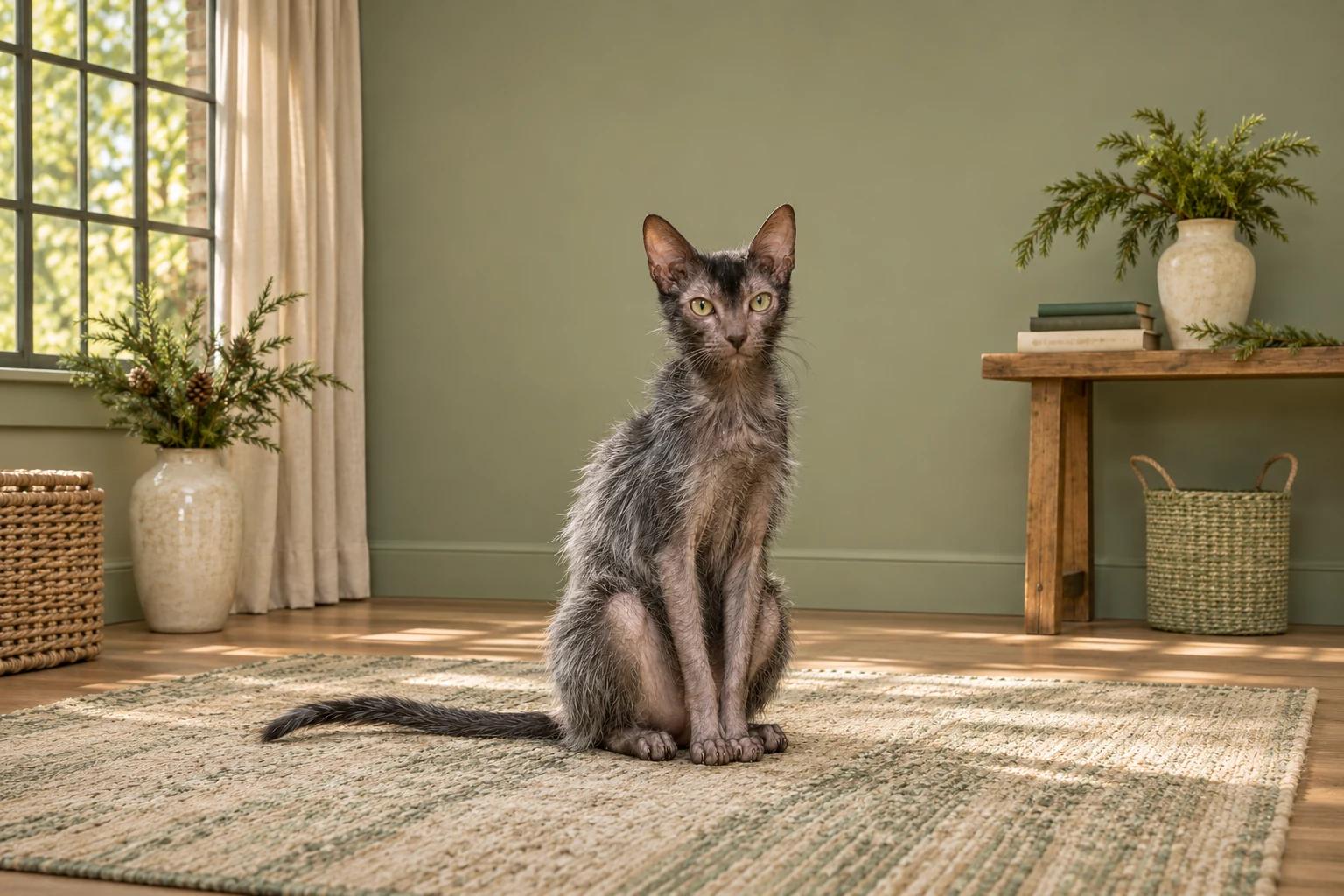
CFA describes variable coat growth and moulting in Lykoi cats. That context can help explain why owners want a record over time, but it cannot establish that every bare or changing area is harmless. Start the diary as a communication aid for your vet rather than a way to classify the coat at home.
Ask the practice which observations would be useful for this cat and what should prompt a call. If there is a current skin concern, contact them now rather than waiting for a series of photographs. An expected possibility in a breed description does not replace assessment of an individual change.
Make entries comparable without stressing the cat
Choose a simple format: date, area noticed and what was different from the last observation. Photographs can be useful if taken without forcing handling. Use similar ordinary lighting where practical and label the view, so a later image of the opposite side does not look like a dramatic change in the same patch.
Do not shave, pluck or part the coat repeatedly to improve the record. If the cat moves away, leave the photograph for another appropriate moment or describe the area instead. A clear written note with its limitations is more useful than a sharp picture obtained by holding a distressed cat in place.
Record care changes alongside appearance
Write down any new product, wash or professional instruction and when it was introduced. Keep the original directions available. Avoid adding several products in response to a coat change, since that makes the care history harder to explain and may be inappropriate. Product choice belongs in a conversation with your veterinary team.
FelineVMA recommends discussing changes in personal grooming and skin concerns with the vet. Note relevant behaviour as an observation, such as repeated attention to one area, rather than assigning a cause. The diary does not prove whether a change is seasonal, behavioural or medical, and it should not be used to decide that a veterinary call can wait.
Turn the record into an agreed follow-up
At the consultation, show a short selection of dated entries rather than a large unlabelled photo collection. Ask what you should continue recording, which changes matter and when to report back. If another person provides care, explain that their job is to observe and follow instructions, not experiment with a new cleaning routine.
Keep the record only as detailed as it needs to be to support care. A Lykoi may have an unusual coat pattern, but the useful question remains how this individual is doing. Your diary succeeds when the vet can understand what changed and you know the next step, not when the photos fit a breed story perfectly.
Sources behind this article
Article source checked: October 22, 2026. Source checked 2026-10-22
Keep reading
Persian eye care: what to notice before reaching for a wipe
Read article →