Lykoi cat shedding: understanding the coat you are caring for
Understand Lykoi cat shedding, the difference between roan color and coat coverage, and a gentle approach to grooming without fixed regrowth promises.
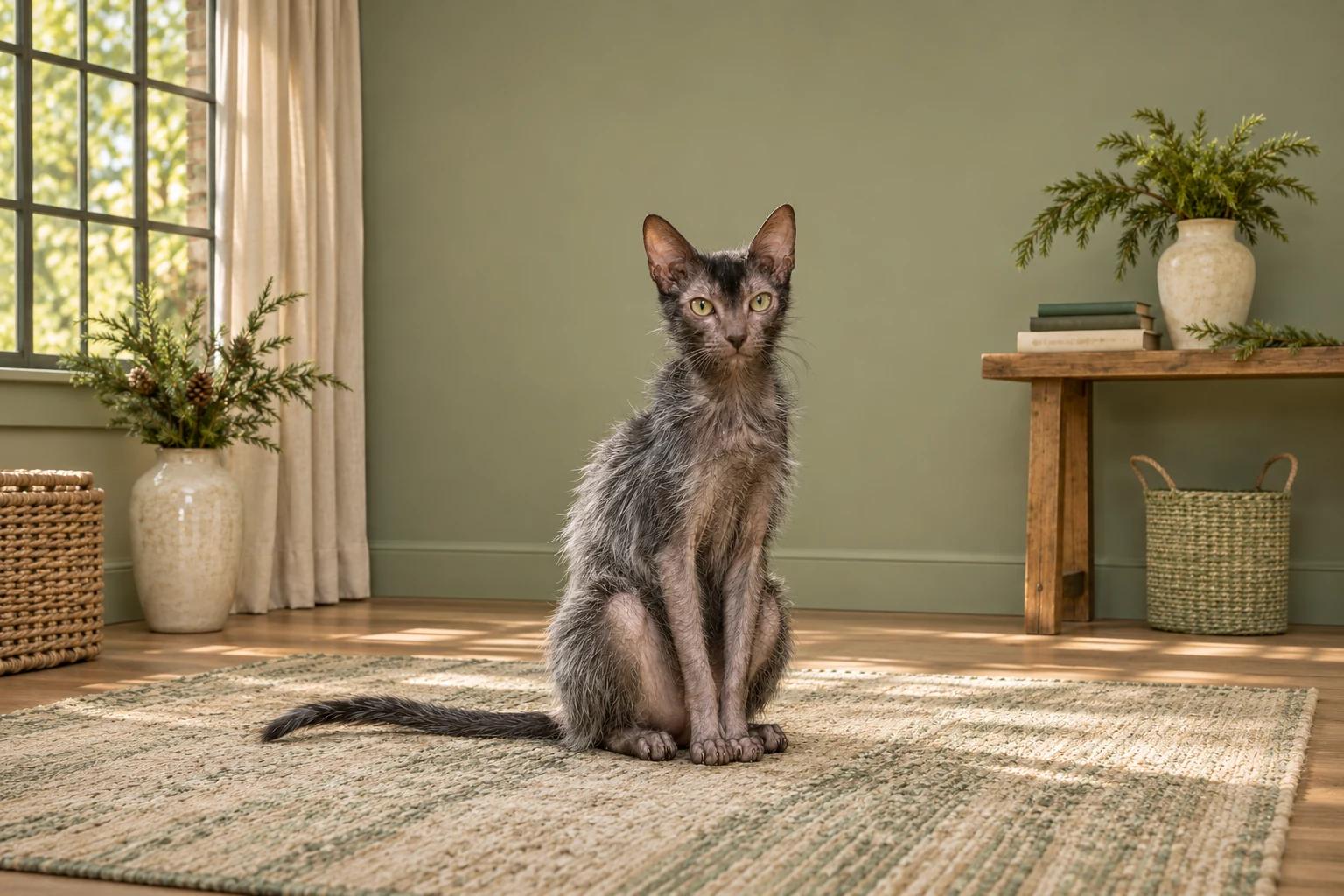
Lykoi cat shedding is not a question that a single photograph can answer. Before choosing a grooming routine, separate the words used to describe a coat from the actions involved in looking after it. A color description, an account of change over time and an instruction for using a brush serve different purposes.
The Lykoi breed profile provides a starting point. Here, the focus is practical coat understanding rather than recreating a photographic record. If you need that separate communication aid, the existing Lykoi coat-change diary explains its purpose. Neither article can assess an individual cat's skin; questions about its care belong with its veterinarian.
Lykoi cat shedding changes with the coat cycle
CFA's Lykoi account describes an individual coat-growth cycle that can range from nearly hairless to nearly fully coated. It says a Lykoi is likely to lose much of its coat in a molt at least once. Its description of relatively little shedding is specifically qualified by the exception of molting.
That qualification matters. “Little shedding” does not mean that the same amount of loose hair must appear every week, or that the cat will maintain the appearance shown in an earlier photograph. A fuller-looking coat and a much sparser one may represent different stages rather than two permanent coat categories.
The account does not provide an appointment for the next molt or a guaranteed date for a particular appearance to return. Avoid turning a description of variation into a calendar prediction. Nor is the fullest possible coat the goal of every grooming session. Brushing is not a way to hold the animal at one selected point in its cycle.
Roan describes color, not the amount of loose hair
A 2020 Lykoi genetic study describes the roan effect as a mixture of individually colored hairs and entirely white hairs. It distinguishes roan from sparse coverage.
The distinction helps when reading descriptions of Lykoi cat coat care. A pale-looking area can involve the color of hairs that are present, whereas coverage concerns how much hair occupies an area. “More white” and “less fur” are therefore not interchangeable statements.
Think of two separate questions: which colors are represented among the hairs, and how densely is the area covered? Answering the first does not answer the second. The word roan does not name a brushing technique, a collection of detached hairs or a condition that needs to be removed.
This scientific source concerns the breed's coat traits and genetic investigation. It is not a household grooming trial and supplies no recommended brush pressure or washing schedule. Its value here is precise vocabulary, so that care decisions are not based on confusing color with coverage.
A brush-through is not a coat-removal project
The GCCF's Lykoi care account recommends an occasional brush-through. It also notes that cats can lose some coat, especially in spring. That seasonal observation is not a requirement that every Lykoi follow an identical timetable.
For the owner, “occasional brush-through” describes a modest maintenance task. It does not call for repeatedly working over the same area until no hair can be collected, or for producing a particular volume of removed fur. A large pile does not prove a better session.
Keep the intended task clear when asking how to groom a Lykoi cat. You are looking after the coat currently present, not trying to manufacture a denser appearance or make every area look alike. The amount available to brush is part of that practical distinction.
The GCCF account also says the cat should have access to indoor shelter rather than being shut outside. Coat maintenance is only one part of providing an appropriate everyday setting; choosing a brush does not replace that basic provision.
Introduce the tool before attempting a complete session
Woodgreen's general cat-grooming guidance recommends starting on a stable surface, allowing the cat to investigate a soft brush and keeping initial sessions brief. It advises brushing in the direction of hair growth and stopping when the cat is unhappy. This is general handling guidance, not a Lykoi-specific grooming study.
Apply that distinction conservatively: letting your Lykoi inspect a tool is a different step from using it across the body. There is no need to combine both steps with a complete grooming session the first time. A few accepted strokes can be a sufficient introduction.
Woodgreen also notes that different brushes feel different and need their own introduction. Familiarity with one tool does not automatically establish comfort with another. If you change tools, do not assume the cat has already agreed to the new sensation merely because yesterday's brush was accepted.
The useful endpoint is a manageable interaction, not completing an arbitrary number of strokes. An unfinished session is preferable to continuing after the cat no longer wants to participate.
The cat breed quiz offers a separate way to consider how everyday care fits your preferences.
Frequently asked questions
Does a Lykoi shed the same amount throughout the year?
Lykoi shedding can vary with the coat cycle; CFA specifically distinguishes molting from periods of relatively little shedding.
Is Lykoi roan the same thing as sparse hair?
Lykoi roan describes the mixture of colored and white hairs. Sparse coverage describes how much hair is present.
Should Lykoi brushing remove a large pile of fur?
Lykoi coat care is not a hair-removal contest. GCCF recommends an occasional brush-through, not a target quantity of removed hair.
Sources behind this article
Article source checked: November 16, 2026. Source checked 2026-11-16
Keep reading

Abyssinian Cat Grooming: Care for the Short Ticked Coat
Read article →