Lancashire Heeler vs Swedish Vallhund: Choosing a Fit
Compare Lancashire Heeler vs Swedish Vallhund coat, build, activities, and practical ownership questions before meeting individual dogs.
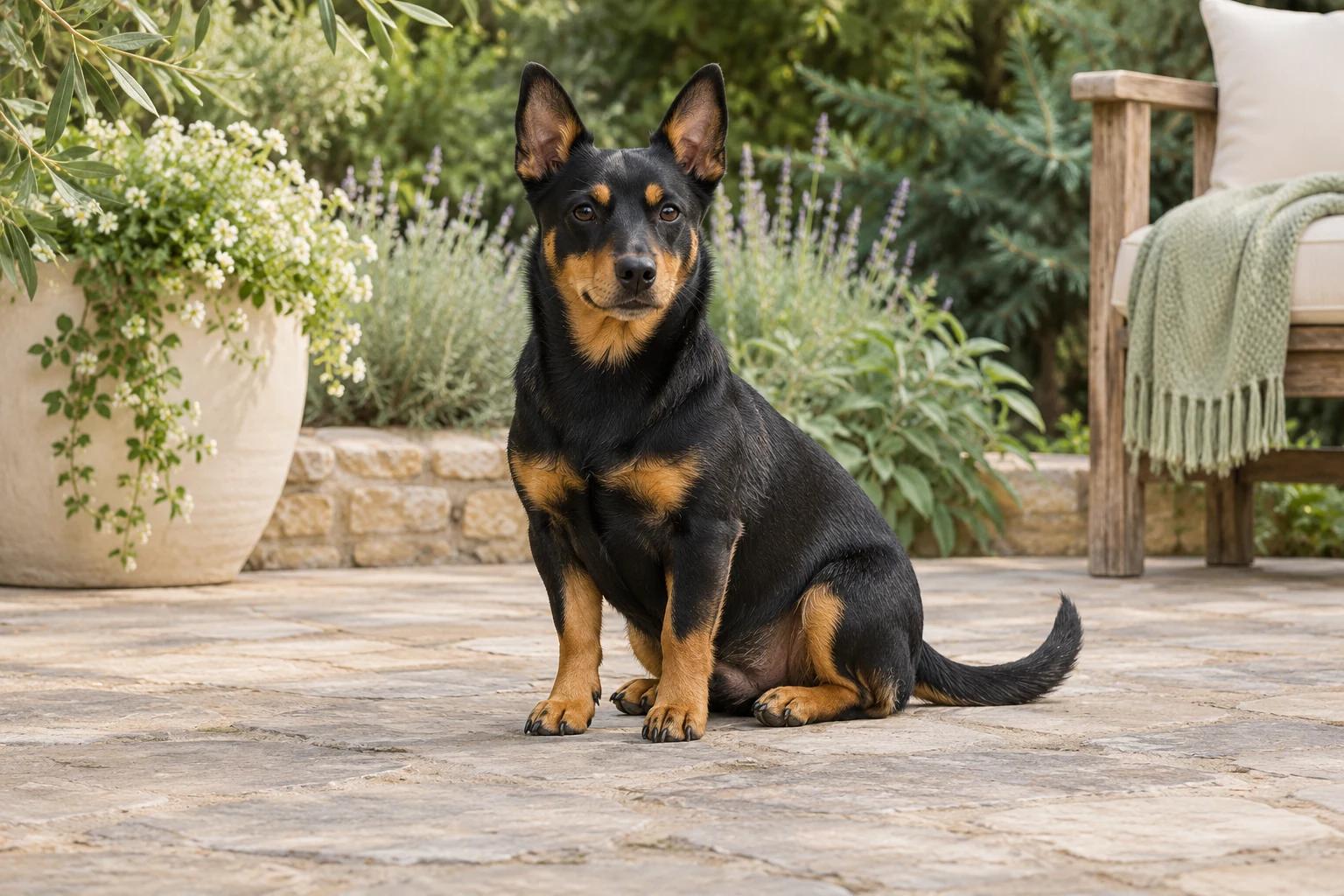
Lancashire Heeler vs Swedish Vallhund is a comparison between two compact working dogs, not between an energetic option and an automatic couch companion. Their appearance can draw the same person's attention, but living with either involves more than admiring short legs and alert ears. Compare the coat you will maintain, the activities you want to share, and the actual dogs available to meet.
Begin with the Lancashire Heeler profile and Swedish Vallhund profile. Then turn the differences into practical questions rather than choosing a winner from photographs.
Lancashire Heeler vs Swedish Vallhund at a glance
The Canadian Kennel Club Heeler standard describes a small, sturdy worker with a short, hard, flat outer coat over fine undercoat. The UKC Vallhund standard describes a low-built spitz type, a wedge-shaped head, and a close-fitting double coat with a dense underlayer. Both have working histories associated with cattle, but they are distinct breeds rather than interchangeable versions of one dog.
Visually, the Heeler's black-and-tan or liver-and-tan coat differs from the Vallhund's characteristic shaded appearance. Do not let those differences become assumptions about behavior. A color preference can help you describe what caught your eye; it cannot tell you how a dog will cope with your household routine.
The first useful comparison is therefore simple: meet adults, watch them move, and ask how they spend their time. A carefully posed image does not show what happens when the walk ends or the owner starts a video call.
Coat care: compare the job in your hands
Both breeds have undercoat, so neither choice removes coat care from the calendar. For the Heeler, ask a caregiver to demonstrate their usual brushing session. For the Vallhund, ask how they work through the denser coat and manage loose hair around the home.
Bring your real constraints into this conversation. Do you have a convenient place to groom? Can the dog stand comfortably there? Where will damp towels dry after a wet outing? If you travel regularly, who will continue the routine?
The difference between Lancashire Heeler and Swedish Vallhund coat appearance should prompt these practical checks, not a claim that one is maintenance-free. A short coat may look tidy while still leaving hair on bedding. A denser coat may require more deliberate attention even when it looks orderly from across the room.
Ask to see the tools rather than buying a kit based on a breed photograph. A demonstration also shows how the dog responds to handling and what preparation you would need to continue at home.
Learning together: choose an activity you actually enjoy
The AKC Heeler introduction highlights an energetic, quick-learning dog. UKC describes the Vallhund as an active participant in activities such as obedience, agility, and tracking. Neither description means that every individual wants the same sport or that training happens without practice.
Imagine a week with no competition ambitions. Would you enjoy rehearsing a small skill during an outing? Would you attend a class because the process interests you, not just because you want a trained dog at the end? Do you have a plan for helping the dog relax while you do something else?
If you already have a favorite activity, discuss its actual demands. Tell the caregiver whether you mean quiet recreational walks, busy group outings, or structured training sessions. “Active home” can describe very different lives, so avoid letting it stand in for a detailed conversation.
Housing: measure the route through the day
When weighing Lancashire Heeler or Swedish Vallhund, walk through the places the dog would use. Consider the entrance, sleeping area, transport arrangement, and nearest outdoor space. Look at narrow shared passages and how you would pass another dog without crowding.
Do not assess fit solely by floor area. A larger home with poor outdoor access may be less convenient than a smaller home with a workable route outside. Equally, an accessible garden is not a complete plan for shared activity.
Check equipment against the individual dog. A crate, harness, or vehicle restraint chosen from a generic “small dog” label may not fit the dog's proportions. Ask for measurements when making practical arrangements and verify the fit in person.
For noise-sensitive housing, ask about the particular dog's vocal behavior in specific situations. A standard's description of alertness does not provide a reliable forecast of what neighbors will hear through your wall.
Compare introductions fairly
A Swedish Vallhund vs Lancashire Heeler meeting should not become a contest to see which dog rushes toward you first. One may be meeting you in a familiar home and another at an event. Those settings are not equivalent.
Ask each caregiver the same questions. What happens when an unfamiliar person visits? How does the dog behave near unfamiliar dogs on walks? Which situations need space or management? Request examples and listen for the circumstances around them.
If another animal already lives with you, explain its habits and the layout of the home. Neither a shared herding classification nor a friendly greeting establishes compatibility. Use individual histories and professional support when planning introductions.
Make a decision without inventing a ranking
Create two columns with the same practical headings: care routine, available support, outdoor access, activity preferences, and known behavior. Leave an unanswered question blank rather than filling it with a favorable breed stereotype.
You may discover that the strongest difference is not between the breeds but between two individual dogs and the support offered with them. An adult with a well-described routine can give you different information from a young puppy whose future preferences are still developing.
For background on the Heeler's traditional roles, read why its working day matters. This comparison adds a separate decision task: identifying which living arrangement you can sustain. The breed quiz can help order those priorities before your visits.
FAQ
Are Lancashire Heelers and Swedish Vallhunds the same breed?
No. They are separate breeds with different standards and appearances. Their compact working-dog outlines and cattle-related histories create points of comparison, but do not make them interchangeable.
Which breed is easier to groom?
Compare the actual coat and routine rather than relying on an easy-care label. Ask for a grooming demonstration for each dog, including loose-hair management and how the dog responds to handling.
Which is the better choice for a small home?
Either decision needs an individual assessment. Outdoor access, shared passages, noise sensitivity, time together, and the dog's established habits matter alongside the physical space available.
Sources behind this article
- Canadian Kennel Club: Lancashire Heeler standard ↗
- United Kennel Club: Swedish Vallhund ↗
- American Kennel Club: Lancashire Heeler ↗
Article source checked: November 15, 2026. Source checked 2026-11-15
Keep reading

Affenpinscher vs Brussels Griffon: Everyday Differences
Read article →