Lancashire Heeler Grooming: A Practical Short-Coat Routine
Plan Lancashire Heeler grooming with a simple coat-care station, gentle brushing, sensible bath preparation, and attention to changes worth checking.
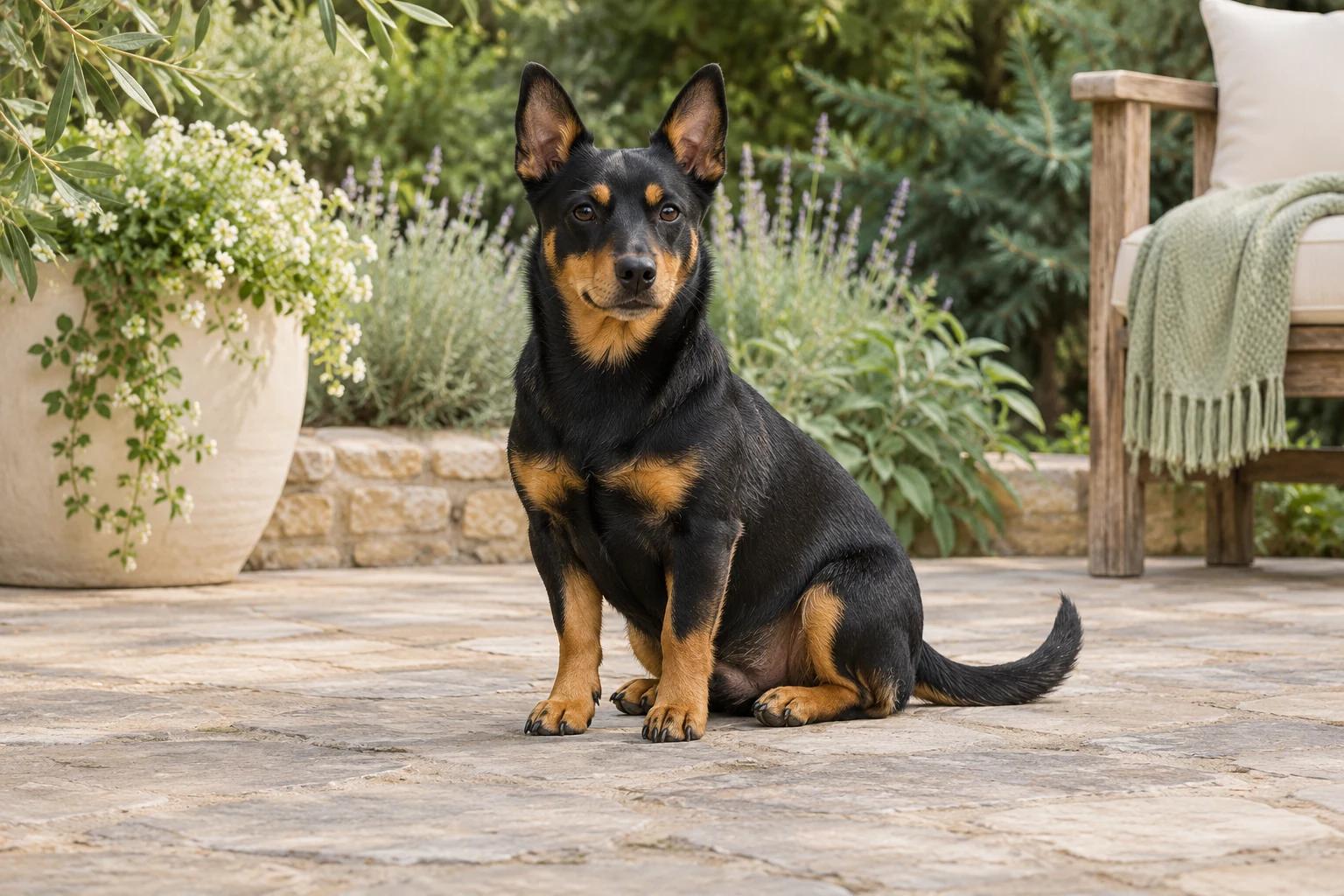
Lancashire Heeler grooming does not require turning your kitchen into a salon. It does require noticing the dog beneath a naturally neat-looking coat. A short brushing session, a prepared place for muddy returns, and a clear plan for care you cannot confidently do yourself are more useful than a drawer full of unfamiliar tools.
The aim is a repeatable routine. If the equipment is easy to find and the dog knows what happens next, a small care task is less likely to be postponed until it becomes a large one.
Lancashire Heeler grooming begins with the double coat
The Canadian Kennel Club standard describes a short, dense, hard outer coat lying flat over fine undercoat. The neck coat can be a little longer. This is a useful description when discussing tools with a groomer: the dog is short-coated, but there is more than a single surface layer to consider.
The AKC home-grooming guide recommends matching equipment to the coat and using gentle brushing to remove loose material. It also recommends dog-formulated bathing products and thorough rinsing. Ask a professional to demonstrate the pressure and tool that suit your Heeler rather than assuming a more aggressive brush will do a more thorough job.
The Lancashire Heeler breed profile places grooming within the wider care commitment. A relatively simple coat does not make the rest of that commitment disappear.
Set up one small, usable station
Choose a place with secure footing and enough light to see what you are doing. You should be able to reach the dog without holding it in an awkward position. If a raised surface is involved, get professional guidance and do not leave the dog unattended on it.
Keep a towel, the agreed brush, and a place for collected hair together. Put cleaning products and sharp tools elsewhere, out of reach. A simple arrangement makes it easier to stop and return later without leaving equipment scattered around.
Think through the exit as well as the start. Where can the dog go after a session? Where does a wet towel belong? Where will you record something you want to ask the veterinarian or groomer? These small decisions prevent the care area from becoming an obstacle course.
Learn the coat with a consistent sequence
Work in a familiar order rather than brushing whichever patch catches your eye. For example, check one side, the other side, and then the areas that need a closer look. The sequence is a memory aid for you, not a requirement to finish everything if the dog needs a break.
For Lancashire Heeler coat care, note what is normal for this individual: how the coat lies, where loose hair collects in the tool, and how the dog usually responds to being touched. You are not trying to diagnose anything. You are building a useful baseline so changes are easier to describe.
Avoid repeatedly working the same spot just because hair is still appearing in the brush. Ask a groomer how to judge when a session is sufficient. More passes are not automatically better care.
If handling suddenly becomes uncomfortable or you notice an unusual skin change, stop and ask your veterinarian. Do not treat resistance as a reason to hold the dog more firmly and finish at all costs.
Make loose hair a household task, not an emergency
Lancashire Heeler shedding is part of living with the coat. Plan for it where the dog actually rests and travels: the bed cover, favorite chair, car area, and hallway. Washable layers make those places easier to maintain.
A simple cleaning rotation can work better than chasing every hair immediately. Keep the dog's bedding easy to remove, and choose one accessible place for grooming waste. If different people share care, agree on who cleans the equipment after use.
Do not judge the whole routine from one brushful. Notice the pattern over time and record a marked change if it occurs. A photograph and a short note can help you explain a concern without relying on memory.
The goal is manageable cleaning, not a promise of a hair-free home. Selecting a short coat does not remove the need to clean fabrics and equipment.
Prepare for a bath before turning on the water
Arrange towels and the dog-appropriate product first. Check that the bathing space has reliable footing and that you can rinse without scrambling for equipment. If you cannot manage the setup comfortably, booking professional help is a practical choice.
Ask the groomer or veterinarian how bathing fits this dog's lifestyle. A dog returning from a muddy outing and one with a veterinary skin-care plan may need different arrangements. Do not replace an individual plan with a schedule copied from another dog.
Leave time for drying and a calm return to the household. A bath squeezed between appointments can become rushed precisely when the dog needs you to be patient. Keep a note of any product used so you can answer questions later.
Care beyond the visible coat
When learning how to groom a Lancashire Heeler, separate routine observation from tasks requiring instruction. Include nails, paws, ears, and mouth in the conversation with your care team, but do not assume you should perform every procedure yourself.
Make a short list of what you can comfortably maintain, what someone has demonstrated, and what you want professional help with. This is particularly useful if several family members share responsibility. A task is less likely to be missed when it has a named person and an agreed method.
Bring questions to an appointment while they are still specific. “Could you show me how to hold this brush on his side?” is easier to answer than “Am I grooming correctly?” Ask to repeat the demonstrated motion under guidance if appropriate.
Fit grooming around the dog's real day
Choose a time that does not compete with an urgent outdoor break or an exciting arrival. Introduce the station in small steps if it is new. You can practice being in the area without completing a full session every time.
The earlier article on the Heeler's working-day background covers a different aspect of ownership. Here, the useful commitment is a small, consistent care routine. If you are comparing breeds before bringing a dog home, include grooming time among the preferences you consider in the breed quiz.
FAQ
Does a Lancashire Heeler's short coat need brushing?
Yes. The breed has a short outer coat and undercoat. Ask a groomer to demonstrate an appropriate tool and gentle technique, then establish a manageable routine for the individual dog.
Can grooming eliminate Lancashire Heeler shedding?
No grooming routine promises a hair-free home. Combine coat care with practical cleaning of bedding, resting places, and transport equipment. Discuss marked changes in the coat with your veterinarian.
Should I do every grooming task at home?
No. Use professional help for tasks you have not learned or cannot perform comfortably. A simple division between home maintenance and professional care is a workable grooming plan.
Sources behind this article
Article source checked: November 15, 2026. Source checked 2026-11-15
Keep reading

Affenpinscher Grooming: A Practical Coat-Care Routine
Read article →