Labrador Retriever Training: Useful Everyday Skills
Build Labrador Retriever training around clear cues, managed distractions, cooperative handling and practical progress you can observe.
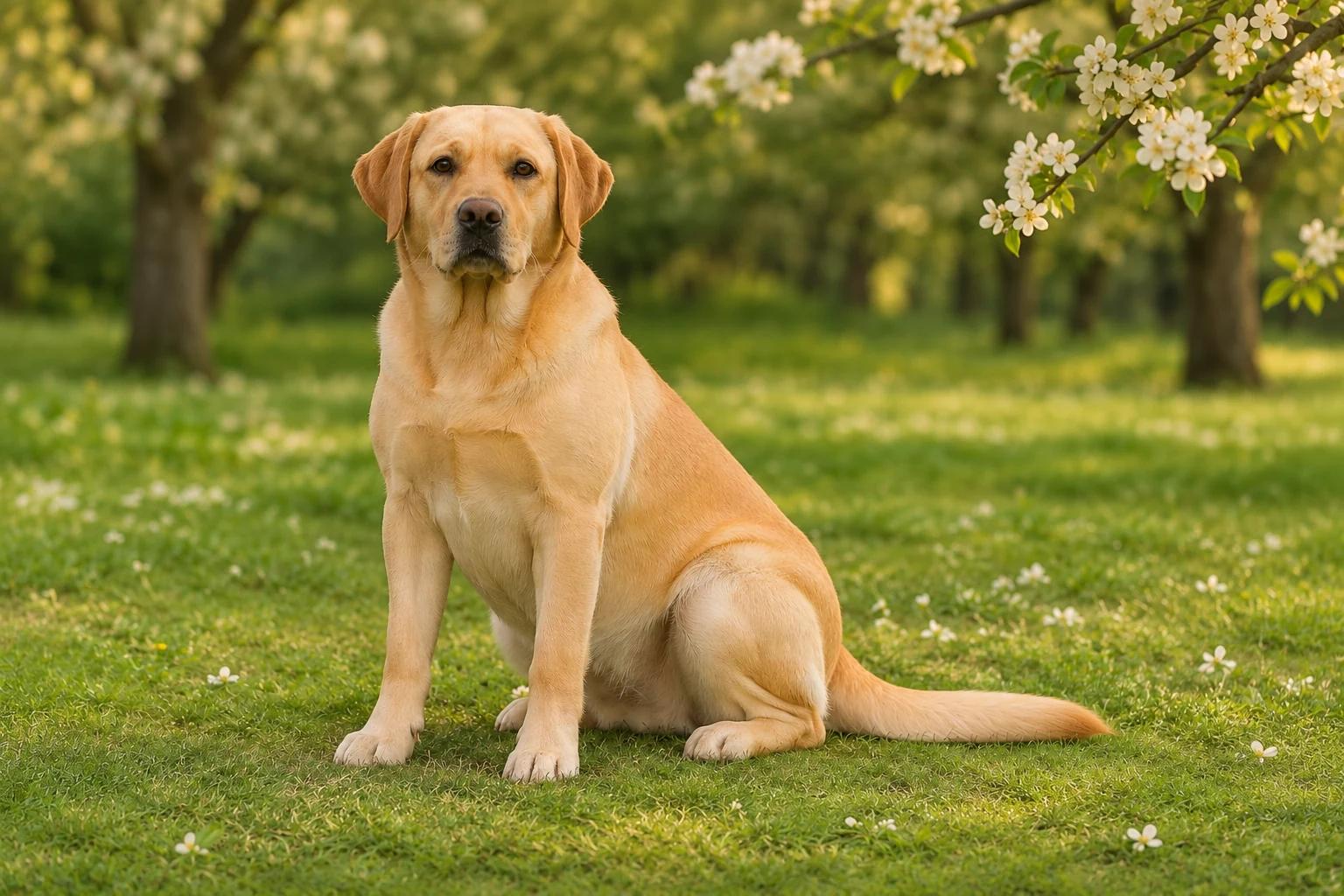
Labrador Retriever training works best when you define success in everyday terms. Rather than aiming for a dog who is simply good, decide what you want at the doorway, on the lead and when an interesting object appears. A Labrador's willingness to participate can be an advantage, but it also gives you plenty of opportunities to reward the wrong thing accidentally. Start with clear, small tasks and make the useful choice easy to repeat.
Labrador Retriever training begins before the first cue
The UKC standard describes the Labrador as a willing working companion. In practice, that is a reason to teach, not a reason to skip preparation. AKC's Labrador puppy guide highlights puppy-proofing, suitable chewing alternatives, early learning and grooming habits. UKC Labrador standard; AKC Labrador puppy guide.
Prepare the area where you will practise. Put food, shoes and other tempting household items away. Have appropriate rewards ready before inviting the dog into the task. Choose a location where you can pay attention without also cooking, answering messages or keeping track of several visitors.
For a newly arrived puppy, practical preparation includes a manageable toilet routine and safe resting arrangements. For an adult, ask which cues and routines are already familiar. You do not need to replace useful learning just because the dog has changed homes.
Choose the skill, then choose the situation
When deciding how to train a Labrador Retriever, write a specific outcome. Walk politely is too broad for a first session. Taking a few comfortable steps beside you in a quiet area is something you can observe. Greet people nicely is equally vague; remaining on the floor while one familiar person approaches is more concrete.
Choose a reward your dog enjoys and deliver it when the desired behavior happens. Keep the session small enough that you can notice what you are rewarding. If your Labrador repeatedly fails, simplify the setting or the task instead of repeating the cue more loudly. A reward-based class can help with timing and progression.
For example, a Labrador who can pay attention indoors but pulls outside may need practice in an easier outdoor location. The answer is not necessarily a longer session on the busiest pavement. Write down where the skill works now so the next step is a manageable change rather than a leap.
Make carrying cooperative
Retrieving is not one behavior. It includes noticing the object, picking it up, returning and releasing it. Your Labrador may enjoy some parts more than others. Treat that information as a way to choose the next lesson rather than assuming the complete sequence should happen naturally.
Use suitable toys, not household objects you would be upset to lose. Keep practice away from roads and hazards. If a game repeatedly turns into running away with the toy, avoid chasing the dog around the room. Reset the activity and get help teaching a cooperative exchange rather than making possession the start of a contest.
A useful training record might say returned to within arm's reach twice, still needs help releasing. That tells you more than fetch is broken. It also keeps you from increasing throwing distance when the part that needs attention is actually the handover.
Quiet skills belong beside the lively ones
Labrador Retriever obedience is not only movement. Waiting comfortably while you put on a coat or sitting quietly nearby while you work can be important goals. VCA's settling guidance emphasizes rewarding genuine relaxation and beginning without distracting activity. VCA settle and calm guidance.
Choose a comfortable location for quiet practice and a time when the dog's immediate needs have been met. Keep your own manner calm. Notice relaxed behavior, not just a rigid position maintained while the dog watches for the next exciting event. If you are unsure what you are seeing, ask a trainer to observe a session.
A practical goal might be a brief quiet moment while you sit at the table, rather than an entire meal at once. Once the easy version is comfortable, add a small everyday change. Keep the dog's resting area available outside lessons too, so it is not only a place where demanding tests happen.
Socialization should prepare a Labrador for real life
Labrador Retriever socialization should be planned around the places and events your dog will encounter. A friendly reputation does not mean rushing toward every person or dog is the objective. Talk with your veterinarian and class instructor about appropriate environments for a puppy, including health precautions.
Make a list specific to your home: the lift, a delivery trolley, the car, a quiet street, grooming equipment or visitors wearing outdoor clothing. Then plan manageable introductions with professional guidance where needed. The purpose is comfortable experience, not ticking off the largest possible number of encounters in a day.
For an adult, ask about previous exposure rather than assuming age equals experience. A dog may be confident in a field but unfamiliar with a station platform. Start where the dog can cope, allow room to withdraw and change the plan if the setting is overwhelming.
Keep progress visible
At the end of a session, note one thing that worked and one thing to simplify. Use descriptions such as responded in the hallway, struggled near the open gate. That tells the next person exactly where to begin. It is more useful than calling the dog inconsistent when the environment has changed dramatically.
Include handling in your record: accepting the harness, standing for a brief brush or calmly approaching the grooming area. If handling causes tension or resistance, seek qualified help rather than forcing the dog to stay. Persistent difficulties, fear or abrupt changes deserve appropriate professional assessment.
Check the Labrador Retriever profile for the wider commitment. The family-plan article covers who handles recurring jobs, while the breed quiz can help prospective owners consider their preferences. Training itself should remain a practical conversation between you and the dog, built from small successes you can both repeat.
FAQ
When should Labrador Retriever training start?
Begin with gentle, age-appropriate learning and a manageable routine when the dog arrives. For a puppy, ask your veterinarian about suitable activities and environments. An adult's existing cues and history can provide a useful starting point rather than beginning everything again.
How long should a training session be?
Use the dog's engagement and the task to guide the session rather than pursuing a universal time target. Finish a small, clear exercise before either of you becomes frustrated. Several easy opportunities during the day can be more workable than one ambitious lesson.
Why does my Labrador listen at home but not outside?
Outside may add distractions or make the task much harder. Return to an easier location and practise the skill there before increasing difficulty. A trainer can help identify what changed and choose a sensible next step.
Does a Labrador need to swim to be trained?
No. Swimming is not a requirement for household manners. If you want to introduce water activities, arrange appropriate instruction and safety planning rather than assuming retrieving ancestry means automatic swimming skill.
Sources behind this article
- United Kennel Club: Labrador Retriever ↗
- American Kennel Club: Labrador Retriever Puppy Training Timeline ↗
- VCA Animal Hospitals: Teaching Settle and Calm ↗
Article source checked: November 15, 2026. Source checked 2026-11-15
Keep reading

Affenpinscher Training: Build Useful Everyday Habits
Read article →