Labradoodle vs Australian Labradoodle: ancestry
Explore Labradoodle and Australian Labradoodle ancestry, what pedigrees record, and questions to ask before comparing coats, care, and temperament claims.
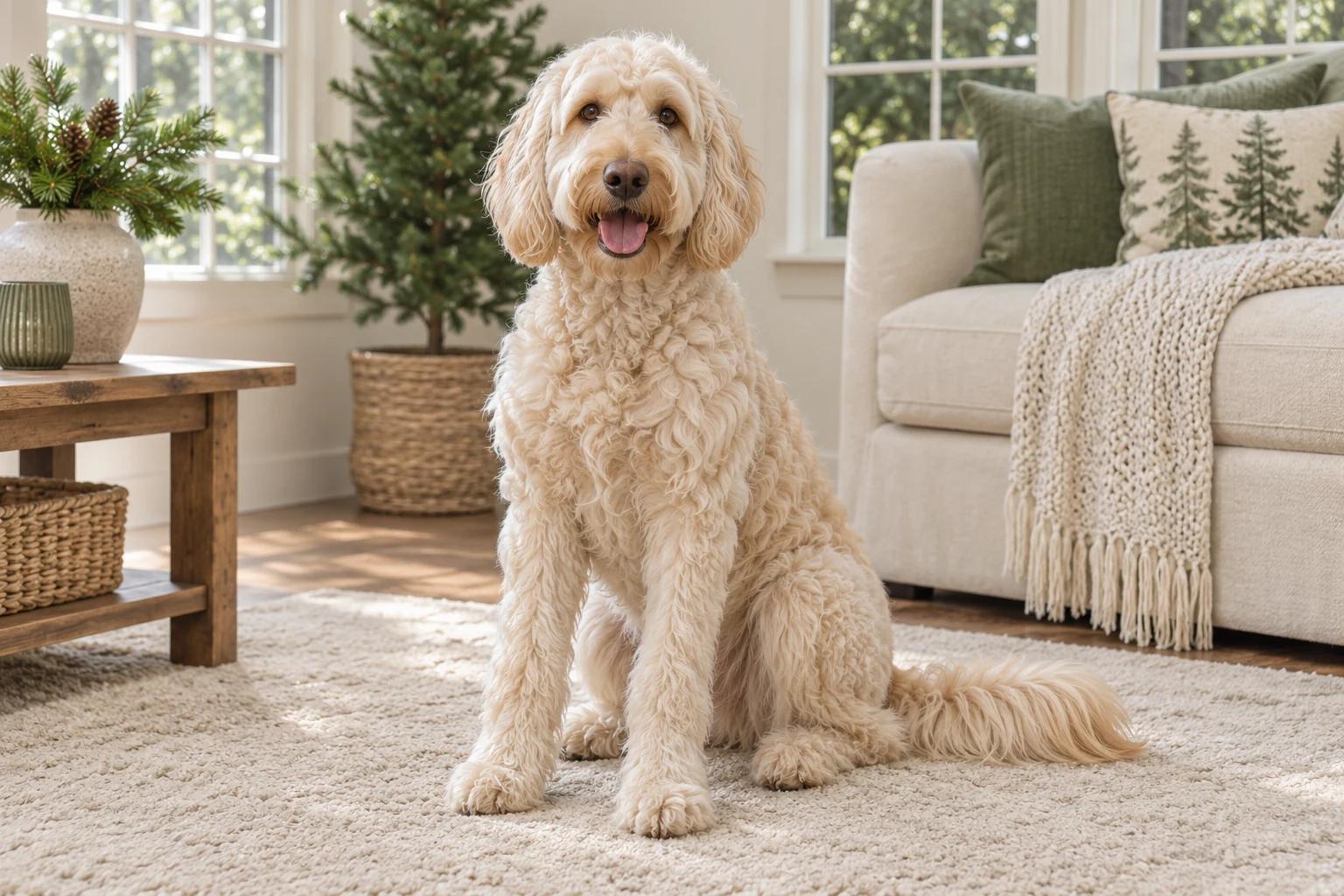
Labradoodle and Australian Labradoodle ancestry
The Australian Labradoodle Association of America distinguishes a Labrador Retriever–Poodle cross from Australian Labradoodle lines that also include Cocker Spaniel ancestry. Its FAQ uses F1 for the first Labrador–Poodle cross and describes additional categories. The point for a prospective owner is not to memorize every category. It is to establish which ancestry a particular seller is describing.
Ask what the parents are, which records support that description, and whether the word Australian refers to documented lines rather than where a puppy was born. Similar names do not establish identical ancestry; ask for the documented family tree.
Read the pedigree for what it records
ALAA describes maintaining and verifying pedigrees for its registered dogs. A pedigree is information about lineage. Use it to understand the relationship between the named parents and the dog being offered; do not treat it as a direct measurement of that dog’s behavior, your future relationship, or every aspect of its health.
Ask the seller to walk through the document with you. Make a separate note of identifiers, health records, and observations of the dog. If a document is unavailable, label that point unknown instead of filling it with a typical breed description. This creates a more useful comparison between prospects than counting how many reassuring labels appear in each advertisement.
Do not transfer every Australian-line claim to every cross
ALAA’s public material discusses both founding Labrador–Poodle crosses and the continued development of Australian Labradoodle lines. When reading a care or temperament statement, check which population the source means. A statement about the association’s breeding goals does not establish the traits of an unrelated cross with a similar name.
For the dog you are considering, ask about the coat currently visible or the uncertainty around a puppy’s adult coat, the grooming routine being proposed, and the behavior actually observed. Ask what information comes from the individual, what comes from relatives, and what is only an expectation. Keep those answers separate rather than compressing them into a description such as perfect family dog.
Let clarity support the choice
A precise explanation should make the decision easier to discuss, not more prestigious. A dog does not become a better personal match merely because its label is longer or its pedigree more elaborate. Compare the available information with your time, household, and willingness to provide care. Where important facts are missing, decide whether you can responsibly accommodate that uncertainty before committing.
Sources behind this article
- Australian Labradoodle Association of America: About and FAQ ↗
- Australian Labradoodle Association of America: Breed development ↗
Article source checked: October 19, 2026. Source checked 2026-10-19
Keep reading
Labradoodle vs Bernedoodle: Choosing Your Companion
Read article →