Labradoodle Exercise Needs: A Practical Daily Routine
Plan Labradoodle exercise around walks, play, learning and rest. Learn what to observe and how to build an adaptable daily routine.
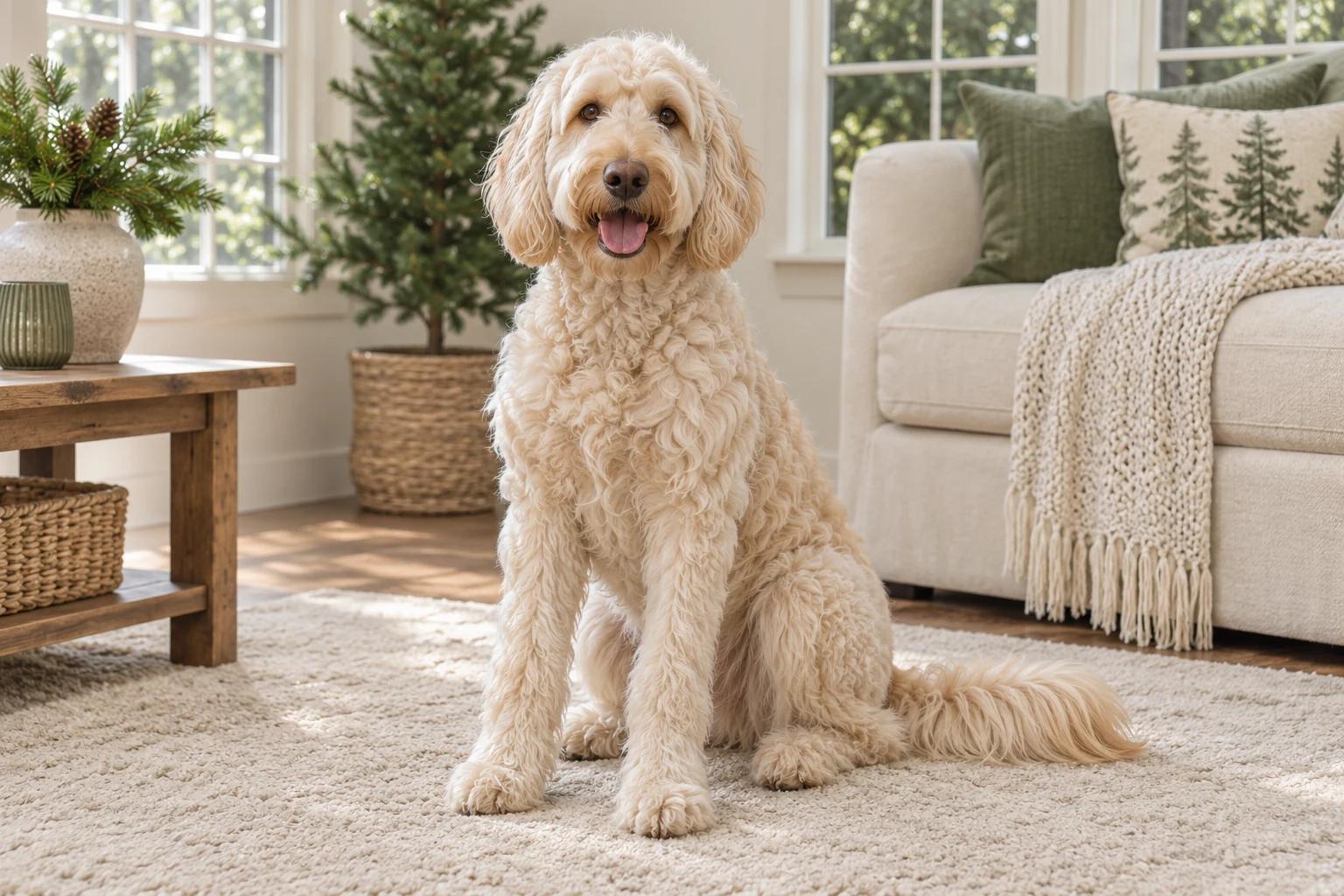
Labradoodle exercise needs are best approached as a daily routine to refine, not a single number to hit. A Labrador–Poodle cross may be an enthusiastic companion for outdoor activities, but its age, health, experience and preferences matter when deciding what to do together. The useful question is not only how long you were outside. It is what the dog did, whether the activity suited them and how the rest of the day worked afterward.
Labradoodle exercise needs involve more than distance
VCA describes the Labradoodle as a cross with an athletic tendency. That makes an active life worth planning for, not a promise that every Labradoodle needs identical mileage. AKC's exercise guidance emphasizes age, breed and health when considering an appropriate routine. VCA designer-dog guide; AKC exercise guide.
Start with the routine the dog already knows. Ask the breeder or previous carer about walks, play, training and rest, including what has worked on busy days. If you have recently brought the dog home, the first week is not a fair test of their eventual activity level. New routes, unfamiliar sounds and a changed household all alter the experience of an outing.
For a puppy, older dog or dog with a health concern, discuss the plan with your veterinarian. In particular, ask before introducing demanding exercise. Do not use an adult walking schedule as a target a growing puppy must work toward immediately.
Give each part of the day a purpose
A Labradoodle daily walk needs a place in the household calendar, not just a vague promise that someone will take the dog out. Decide who handles the outing, who covers an unexpected delay and where the equipment lives. If two people share the job, agree how to record what has already happened so that each is not waiting for the other.
Build a route list with practical details: where you can park, whether the entrance has steps, when a gate closes and whether the return journey fits your workday. Check local access rules yourself. Keep an alternative for days when your usual entrance is blocked or an event fills the car park. These small arrangements make a planned outing more likely to happen without a last-minute scramble.
This gives you a more useful schedule than a list of distances. It also makes substitutions easier. When the usual route is unavailable, you know whether you are replacing an opportunity to move, explore or learn, and can choose an appropriate alternative rather than adding random excitement indoors.
Use play as a conversation, not an endurance test
VCA advises matching play to the dog's skills and preferences and watching for excessive excitement. Its guidance also distinguishes physical activity from opportunities to investigate and sniff. VCA play and exercise guidance.
For a Labradoodle who enjoys carrying toys, a short, organized game can be more useful than repeatedly throwing an object as far as possible. Choose an appropriate toy and space, keep the exchange cooperative and make it easy to pause. For a dog who ignores thrown toys but enjoys finding them, a simple supervised search may be a better fit. Retrieving ancestry does not require a particular favorite game.
Notice whether the dog can leave the activity with you. If each pause leads to increasingly frantic demands, do not keep escalating the game merely to achieve a tired dog. Change the setup, keep the next session simpler and seek help from a reward-based trainer if transitions repeatedly become difficult.
A small activity log beats guessing
To understand your Labradoodle activity level, record a few ordinary days. Write down the type of outing, the setting, the opportunities for rest and any notable behavior afterward. Avoid turning the log into a fitness competition. Its purpose is to show patterns you would otherwise miss.
You might discover that the busiest route makes the dog more unsettled than a quieter outing. Or that the evening game goes well when it happens earlier, before the household becomes hectic. Those observations suggest changes to timing or environment, not necessarily more exercise.
Keep separate notes for movement and training. A dog can spend a long time outdoors while barely walking, or cover a distance with little chance to investigate. Neither is automatically wrong, but they are different experiences. Describing them accurately helps a trainer or veterinarian understand the routine if you need advice.
Plan the return home as carefully as the walk
With a Labradoodle, an outing may also involve coat care. Leave time to check the dog over and follow the grooming routine appropriate to their coat. If every walk ends in a rush because you have to join a call immediately, adjust the departure time rather than making the return home stressful.
Set up a comfortable resting place away from the busiest route through the house. Have water available and let the atmosphere become quieter. Rest should not depend on the dog being so exhausted that nothing else is possible. You are building a pattern in which shared activity has a beginning and an end.
Make bad-weather and disrupted-day plans too. These should be workable alternatives, not a promise that a puzzle replaces all outdoor activity indefinitely. Identify accessible routes, suitable indoor learning activities and help you could arrange when your own schedule changes. The Labradoodle profile and breed quiz can help you consider whether this daily commitment fits your life. For naming and lineage questions, use the separate Labradoodle ancestry article.
FAQ
How much exercise does a Labradoodle need?
There is no precise duration appropriate for every Labradoodle. Plan daily opportunities for movement, exploration and interaction, then tailor the type and amount to the individual. Ask your veterinarian about suitability for the dog's age, health and any demanding activities you want to introduce.
Does a garden replace a Labradoodle daily walk?
A garden offers space, but space alone does not tell you what the dog actually does there. Use it as one part of the routine rather than assuming it provides every opportunity for activity, exploration and learning. Observe the dog instead of counting access as exercise.
Should I increase exercise if my Labradoodle will not settle?
Not automatically. Look at the whole day, including busy environments, exciting games and opportunities to rest. Persistent difficulty settling deserves discussion with a suitable professional. A sudden behavior or physical change should be raised with your veterinarian rather than answered with a harder workout.
Can a puppy follow an adult Labradoodle's routine?
A puppy needs an age-appropriate plan, not an adult endurance target. Ask your veterinarian what is suitable and organize shorter opportunities for exploration and play with rest between them. Avoid judging a puppy's needs by the stamina of another dog.
Sources behind this article
- VCA Animal Hospitals: Designer Dog Breeds ↗
- American Kennel Club: How Much Exercise Does a Dog Need Every Day? ↗
- VCA Animal Hospitals: Dog Behavior and Training: Play and Exercise ↗
Article source checked: November 15, 2026. Source checked 2026-11-15
Keep reading

Afghan Hound Exercise Needs: Build a Workable Active Day
Read article →