Kuvasz Training: Clear Skills for Everyday Life
Build Kuvasz training around short rewarded lessons, clear household skills, thoughtful socialization, and support for difficult situations.
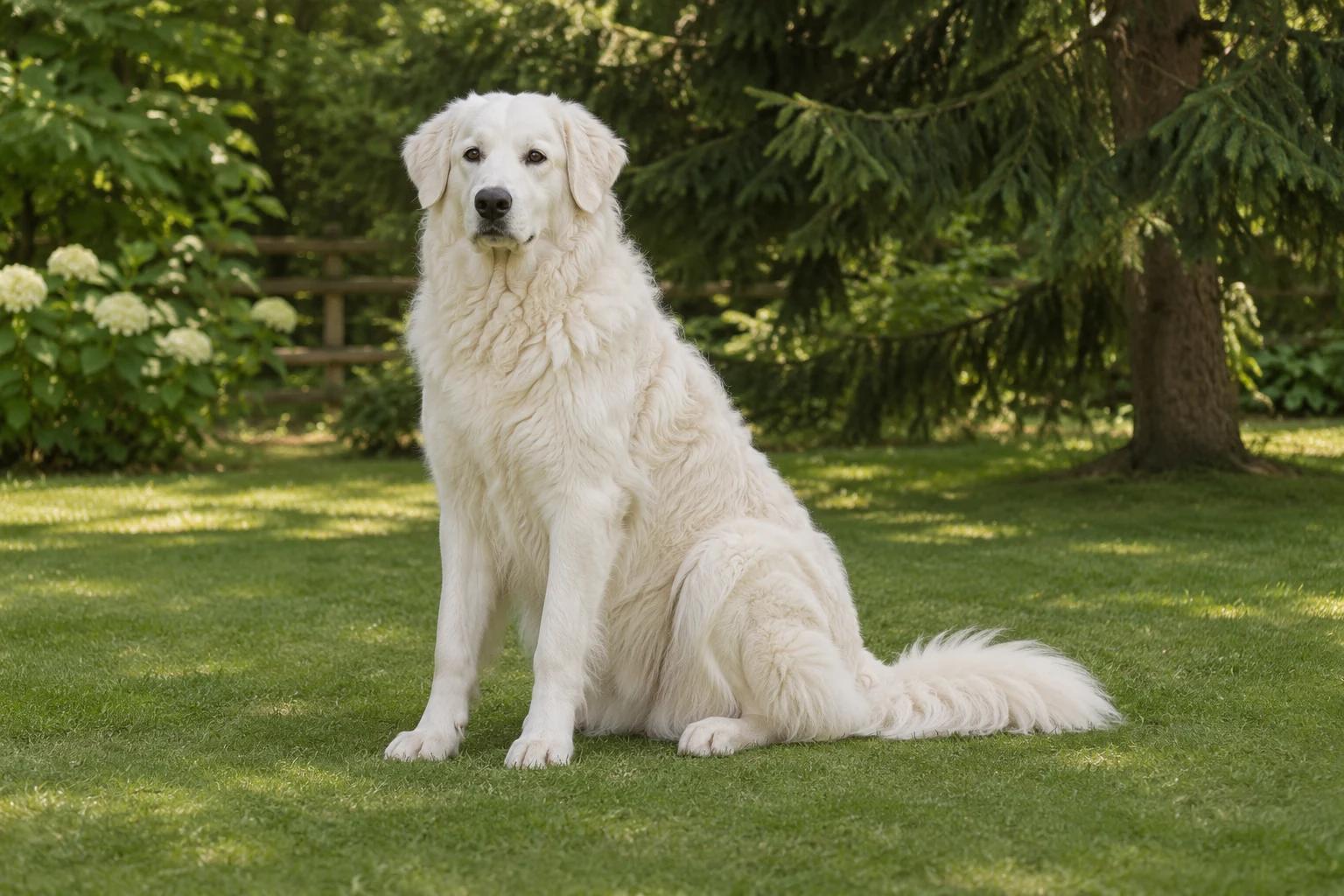
Kuvasz training should make everyday cooperation clearer, not turn independence into a contest. Start with the situations that matter in your home: walking on lead, moving to a resting place, accepting routine care, and responding when you need the dog's attention. The Kuvasz Club of America's owner brochure recommends short, consistent lessons using praise and treats, and cautions against heavy-handed teaching. That is a useful foundation for a large guardian whose habits will affect everyone sharing its space.
Kuvasz training begins with a small, observable goal
Replace a broad aim such as behave better with a task you could describe to another person. For example, you might want the dog to stand in a particular area while walking equipment is attached. Decide what the finished task looks like before you begin, including where you will stand and what equipment you need.
Prepare the setting so you are not juggling several jobs. Put the lead within reach, choose a quiet moment, and remove unnecessary activity from the immediate area. You are teaching a skill, not testing whether the dog can already perform it during the busiest part of the day.
Make a short list of priorities with your household. One skill practiced consistently by everyone is more useful than several incompatible versions of the same routine. Choose cues you can say clearly and agree on what each means. Avoid asking a new sitter to guess which words the dog recognizes.
Rewards need to be useful to the dog
The AKC guide to training with rewards explains that a reward must be something the dog values. It also emphasizes delivering it promptly and in a position that supports the behavior you want. A marker, such as a clicker, can identify the correct moment when it has been properly introduced and followed by a reward.
Apply those ideas to a simple household exercise. If your dog is learning to remain in a chosen area, organize yourself so you can deliver the reward there rather than repeatedly drawing the dog away to collect it. Ask a trainer to demonstrate if the mechanics feel awkward.
Keep rewards ready before beginning. Searching a pocket while the dog changes position makes it harder to connect your response with the action you intended to encourage. You can practice your own movements without the dog present: reach for the reward, place it where you intend, and reset.
Notice whether the chosen reward is useful in that setting. A dog interested in one option at home may be less interested outdoors. Treat that as information about your training plan, not evidence that you need to become more forceful.
How to train a Kuvasz around real household events
Choose one predictable event to work on, such as preparing for a walk. Break it into parts: approaching the equipment area, pausing while you get ready, and leaving with you. Work on the part that is currently unclear rather than repeatedly rehearsing the whole sequence badly.
Do not use a real delivery or unexpected guest as the first practice session for an entrance routine. Arrange practice when another household member can help and you have time to stop. Keep the actual entrance secure while the skill is still developing.
A written note after each attempt can be very short. Record where you practiced, what was manageable, and what you will change next time. For example, equipment area worked while the room was quiet; repeat before adding another person. That creates a practical next step without assigning the dog a character flaw.
If the behavior involves fear, threats, or difficulty controlling the dog, do not run your own experiments with visitors. Seek a qualified professional who uses reward-based methods and can assess the situation directly. Management while you get help is part of the plan, not an admission that training has failed.
Kuvasz socialization is more than meeting people
The club brochure encourages early socialization and suitable puppy classes. Discuss appropriate outings and class participation with your veterinarian and a qualified trainer. The goal is a manageable learning experience, not collecting the largest possible number of encounters.
Think about the settings your dog will actually need: the approach to your veterinary practice, the route from home to the car, or waiting while someone passes at a comfortable distance. Ask your trainer how to introduce those experiences without overwhelming the individual puppy.
Keep an exit option. If an outing is busier than expected, you can choose a quieter location or leave. Completing the original plan is less important than noticing what the dog can handle. Write down the useful details afterward so the next outing is chosen deliberately.
For an adult, begin with its current experience rather than assuming every foundation is already in place. Ask the previous keeper which cues and routines are familiar. A new household can make an established skill look different, so give yourself time to understand the existing communication.
Kuvasz obedience should serve everyday life
Formal exercises can be enjoyable, but your household needs reliable routines as well. Make space for care-related cooperation, calm transitions, and clear communication between handlers. The Kuvasz profile can help you identify which parts of life with the breed deserve advance planning.
Care practice need not duplicate a full grooming session. You can teach familiarity with the setup separately, then seek a groomer's guidance on the actual task. The article on Kuvasz grooming behind the ears covers coat maintenance, while training provides a way to approach that work cooperatively.
Choose professional help before frustration becomes the main feature of practice. Ask a prospective trainer how they would structure lessons for an independent guardian, what methods they use, and how they adapt when a dog struggles. Avoid promises of instant reliability or claims that the breed requires intimidation.
If you are still deciding whether this commitment fits your life, use the breed quiz alongside a realistic look at your schedule. Training is an ongoing part of shared life, not a one-time purchase that removes the need for management.
FAQ
Should Kuvasz lessons be long to make an impression?
No. The breed club recommends short, consistent lessons. Choose a manageable task and prepare the setting so you can teach clearly. Extending a frustrating session does not make the instruction easier to understand.
What if a Kuvasz ignores a familiar cue outdoors?
Look at the change in context and ask whether the task is currently too difficult. Record the setting and seek guidance on practicing more gradually. Do not assume a response at home automatically transfers to every distraction outside.
Can socialization guarantee a particular adult temperament?
No. It is part of preparation, not a guarantee. Choose suitable experiences with professional guidance, observe the individual dog's response, and continue using sensible management as the dog develops.
Sources behind this article
Article source checked: November 15, 2026. Source checked 2026-11-15
Keep reading

Affenpinscher Training: Build Useful Everyday Habits
Read article →