Kishu Ken vs Hokkaido: Comparing Everyday Fit
Compare Kishu Ken vs Hokkaido backgrounds, daily demands and useful questions about exercise, handling and life in your household.
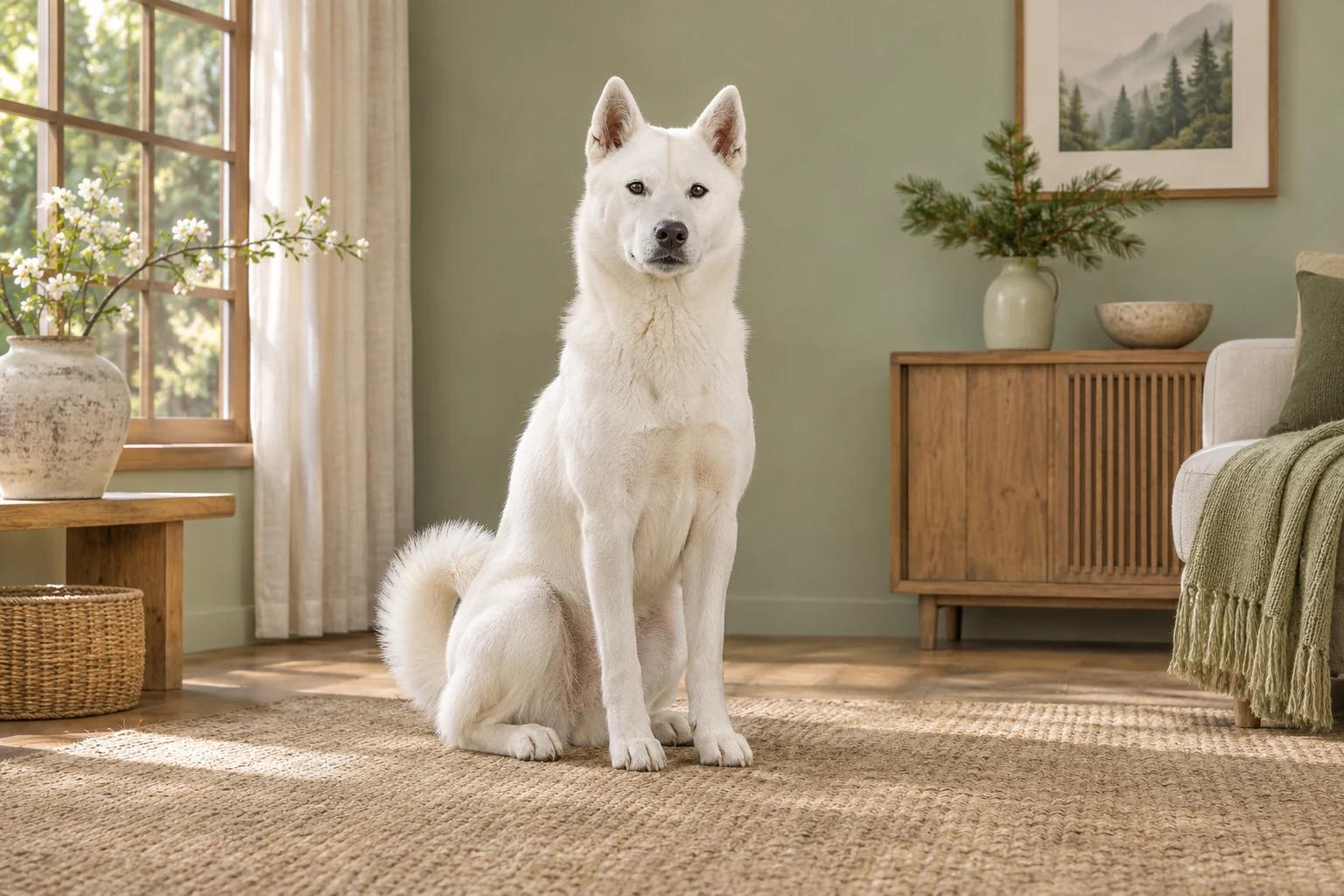
Kishu Ken vs Hokkaido can be a deceptively close comparison in photographs. Both are Japanese dogs with upright ears, substantial bodies and tails carried over the back. Choosing between them requires more than spotting a difference in outline. Their backgrounds offer context, while meetings with individual dogs reveal what companionship would actually involve. Keep the Kishu Ken profile and Hokkaido profile beside your practical questions as you compare.
Kishu Ken vs Hokkaido: where the comparison begins
The FCI Kishu standard locates the breed's development in the mountainous Kishu region and describes hunting boar and formerly deer. The FCI Hokkaido standard connects that breed with Hokkaido and hunting alongside Ainu communities, including hunting bears. These are distinct regional histories, not evidence that one modern dog automatically needs a more extreme lifestyle.
Both standards describe endurance and alertness; the Hokkaido description also emphasises boldness and judgement. Treat those as prompts for discussion. Ask how a particular dog responds when an outing changes, when something unfamiliar appears or when its handler asks it to stop investigating. A standard cannot predict which dog will best suit your daily routine.
The difference between Kishu Ken and Hokkaido is therefore not a simple choice between “active” and “inactive.” Neither should be selected on the assumption that a composed-looking photograph shows how the dog spends an entire day.
Look beyond a similar silhouette
The Kishu standard describes a compact, well-muscled dog. The Hokkaido is also sturdy and muscular. Both have a harsh outer coat over a soft, dense undercoat. For an owner, these similarities matter: you are considering a substantial dog and a coat that requires attention, not a tiny decorative companion with no practical handling demands.
During a meeting, look at the whole setup. How comfortably can you move with the dog on a lead? Where does it ride in the car? Can you arrange a resting space that does not block your narrowest doorway? These are practical fit questions, not invitations to judge a dog's appearance against a show standard.
Ask about the actual adult's measurements when choosing equipment. If you are considering a puppy, discuss the parents and the breeder's experience rather than purchasing everything from a single online size estimate. Equipment that can be adjusted may be useful, but the dog still needs an individual fit check.
Compare the normal week before the adventure weekend
Hokkaido vs Kishu Ken decisions often begin with an appealing picture of hiking together. Work backward from that picture. Where would the dog go on a day when you finish work late? Who supplies a midday break? What happens when your favourite trail is busy or closed?
Make two versions of your schedule: an ordinary day and a difficult day. The difficult version should still include appropriate care, company and outdoor opportunities. If it depends entirely on someone making an unplanned trip across town, strengthen the arrangement before choosing either breed.
Ask each caregiver to describe yesterday, not an ideal week. Find out when the dog went out, what happened between outings and how it settled afterward. A specific account helps you see whether your own day resembles the life the dog already knows.
You can also ask to observe a familiar activity. A short walk or handling session may tell you more than an exciting play demonstration. Notice how the caregiver ends the interaction and what the dog does next. Do not deliberately provoke frustration to assess temperament.
Training should connect you, not test a stereotype
Choosing a Kishu Ken or Hokkaido because one is supposedly more obedient can set both dog and owner up for disappointment. Instead, ask what training each candidate has experienced and what methods its caregiver uses.
Discuss three situations that matter to you. Perhaps you need the dog to move away from an open gate, follow you past a distraction and wait while you attach the lead. Ask which of those skills are established, which are still being taught and where they work reliably. An answer that mentions the setting and level of distraction is especially useful.
Think about your own preferences too. Do you enjoy noticing small improvements and repeating simple exercises? Would you be willing to find an instructor who understands the dog in front of them rather than relying on a breed stereotype? A workable teaching relationship matters more than a claim that the dog is clever.
Keep management separate from achievement. A dog learning to return still needs suitable containment. A dog learning visitor manners still needs an entryway arrangement that does not depend on perfect behaviour every time the door opens.
Shared spaces need specific answers
If your household includes another dog or other animals, describe the arrangement in detail before arranging a match. Include where animals eat, sleep and spend unsupervised time. Ask what experience the candidate has with those situations. A brief encounter at a meeting cannot establish how a shared home will work.
For visitors, explain how often people come and whether your entrance opens directly into the main room. Ask whether the dog is accustomed to waiting separately while someone arrives. Quiet, controlled meetings give you better information than surrounding an unfamiliar dog with a group of enthusiastic visitors.
Noise is another individual question. Ask what the dog vocalises about and how the household manages it. Do not infer silence from a calm meeting or assume that a dramatic online video represents an entire breed. Your neighbours will live with the actual dog, not an average description.
Choose the grooming routine you will sustain
A double coat should be part of the weekly plan for either breed. Ask the caregiver to show the tools they use and describe how the routine changes when loose hair increases. Find out how the dog responds to being handled and whether a groomer is already involved.
The existing Kishu coat-colour article helps prevent appearance-based assumptions, but colour should not choose the household match. Compare the time, space and cooperation required for everyday care instead. Put towels, a grooming location and cleaning time into the plan alongside walks and training.
If both breeds still appeal, use the breed quiz to organise your priorities, then discuss those priorities with knowledgeable breed contacts. It is reasonable to prefer a particular individual, wait for a suitable match or decide that neither fits your current schedule.
FAQ
Are Kishu Ken and Hokkaido the same breed?
No. They are distinct Japanese breeds with different regional histories. Their upright ears, curled or sickle tails and double coats can make photographs look similar, so identify a dog through its documented background rather than appearance alone.
Which breed is better for hiking?
Evaluate the individual dog's experience, condition and responsiveness, plus the route you intend to use. Neither breed label establishes readiness for a demanding hike. Discuss suitable activity with your veterinarian and plan appropriate lead or containment arrangements.
How should I choose between a Kishu Ken and a Hokkaido?
Compare actual weekday routines, handling needs, training experience and compatibility with your household. Meet dogs and ask for concrete examples. A match based on your real circumstances is more useful than choosing a breed from a photograph or a single adjective.
Sources behind this article
Article source checked: November 15, 2026. Source checked 2026-11-15
Keep reading

Affenpinscher vs Brussels Griffon: Everyday Differences
Read article →