Kishu Ken Temperament: A Practical Owner’s Guide
Explore Kishu Ken temperament through attention, companionship, training and practical questions for meeting an individual dog.
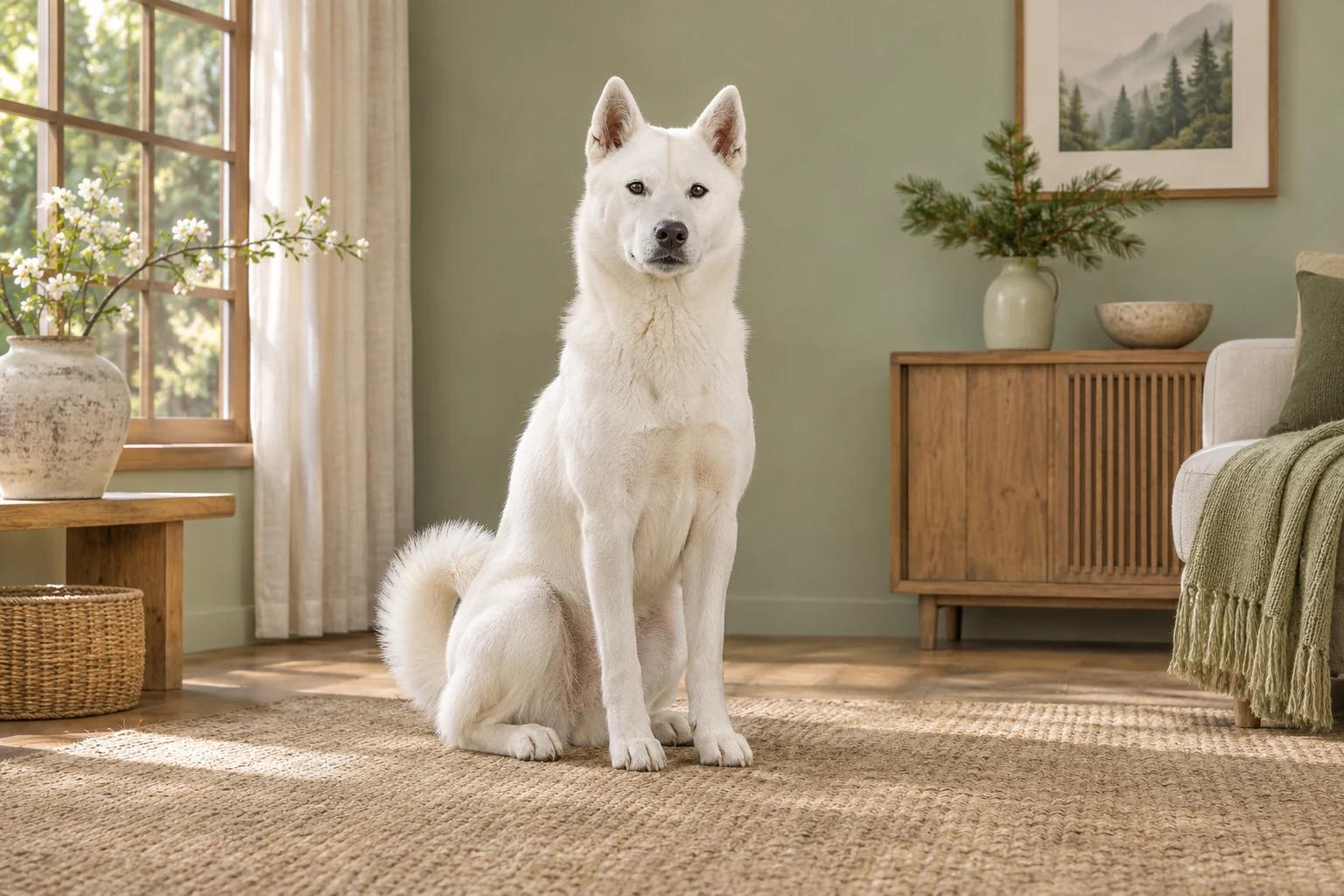
Kishu Ken temperament combines an appealing idea of devoted companionship with a real need to understand the individual dog's interests and experience. A composed face does not tell you how the dog will respond to a moving animal, an unfamiliar doorway or a change of routine. Start with ordinary situations, not a label such as easy or difficult. The Kishu Ken profile can help you frame the wider commitment before you meet a dog.
Kishu Ken temperament: alertness and connection
The AKC breed overview highlights endurance, faithfulness and alertness. The National Kishu Ken Club describes a spirited, affectionate and focused companion, with the relationship between dog and handler central to its account. That combination suggests a useful starting question: how will you build shared experiences rather than simply issue instructions?
You might enjoy a dog that joins you for exploratory walks and short learning activities. But enjoyment also depends on how you handle ordinary interruptions. If you are expecting the dog to ignore everything interesting without practice, revise that expectation. A relationship develops through repeated, understandable interactions in the places where you actually live.
When meeting a Kishu, watch what its familiar person does. Ask how they regain attention, what the dog enjoys doing with them and how they finish an activity. A rehearsed pose says less about companionship than the small exchanges between activities.
Ask what “focused” looks like in this dog
Kishu Ken personality descriptions can sound contradictory when one person describes an affectionate house companion and another talks about intense interest outdoors. Those observations may concern different situations rather than different kinds of dog.
Ask for a walk-through of the dog's day. What captures its attention on a walk? When does it choose to approach its caregiver? Where does it rest? What happens if an expected outing is delayed? You are not looking for a flawless answer to every question. You are looking for a caregiver who can describe the dog's habits accurately.
Bring your own circumstances into the discussion. If you live beside a busy park, mention the dogs and wildlife you regularly encounter. If your household changes shifts every week, explain the resulting schedule. Details help someone judge whether the dog has relevant experience or would face a substantial adjustment.
Keep a short list of observations after each meeting. “Followed the owner away from the gate after a cue” is more informative than “seemed loyal.” Concrete notes also make it easier to compare a first impression with what you see later.
Give cooperation a small, clear task
A useful way to begin communicating is to teach something simple that has an obvious result. A nose target, often called touch, is one option. It is not a personality test and does not need to become a trick routine.
The AKC nose-target guide begins with an open hand close to the dog's nose. Mark and reward voluntary contact, then add a verbal cue when the action is familiar. Increase distance and distractions gradually. If contact is too difficult, reward a smaller movement toward the hand instead of pushing the hand into the dog's face.
For a Kishu owner, the practical value is having an uncomplicated activity you can practise together. Begin in a quiet room, with enough space for the dog to move away. Later, the same familiar exercise can be practised in another calm setting. Do not begin beside the most exciting distraction on your walking route and call the dog's lack of response stubbornness.
Choose one criterion for a session. You might be working on contact with the hand or on taking a step toward it, not both at once. Notice whether your timing is clear and whether the dog understands how to succeed. Finishing after a few successful repetitions leaves you with information for the next attempt.
Treat new experiences as information, not a performance
Before taking a Kishu somewhere unfamiliar, decide what you want the visit to accomplish. An initial trip to a quiet outdoor location might simply be a chance to look around and leave. It does not have to include greetings, a long stay and a training demonstration.
For visitors at home, agree on the sequence in advance. Let the visitor enter while the dog is in an appropriate secure area, allow everyone to settle, and choose whether an introduction makes sense. Avoid having several people call the dog at once. Ask the caregiver which arrangements the dog already knows so that you can preserve useful routines.
The same principle applies to handling. Introduce the place, the tool and the action thoughtfully rather than unveiling everything during a rushed grooming session. If the dog repeatedly avoids a particular task, ask for help with the setup. Behaviour is information about the situation, not a reason to escalate pressure.
What other animals change about your plan
The Kishu's hunting background makes the details of animal encounters worth discussing. Ask about actual experience with the species in your household and distinguish living together from seeing an animal briefly outdoors. Do not arrange an uncontrolled encounter to discover what will happen.
Write down how doors, gates and shared spaces operate. Could an animal enter the room unexpectedly? Is there a secure separation arrangement? Who checks that a gate is closed? These practical details matter even while training is progressing.
When speaking with a breeder or rescue caregiver, describe your resident animals' routines as well as their species. A dog accustomed to one quiet adult animal has not necessarily experienced every possible household arrangement. Get knowledgeable support for introductions and be prepared for the possibility that the match is unsuitable.
Quiet behaviour still needs observation
The breed's relatively quiet profile should not lead you to judge comfort by noise alone. Observe whether the dog can move freely, choose distance and resume an ordinary activity. A dog that is not barking may still need a different setup or more time.
If Kishu Ken behavior changes abruptly, talk to your veterinarian. For persistent difficulties in daily situations, work with a qualified reward-based trainer who can observe what is happening. Describe the setting and the sequence rather than trying to diagnose the problem from a breed description.
As you assess Kishu Ken characteristics, separate appearance from behaviour. The existing article on Kishu colours addresses a common visual assumption; it does not assign personalities to coat colours. Use the breed quiz to clarify your household preferences, then return to the individual dog's experience and the relationship you can realistically offer.
FAQ
Is the Kishu Ken an affectionate dog?
The breed club describes an affectionate, people-connected companion. For an individual dog, ask how it seeks company and what shared activities it enjoys. Affection does not have to mean constant physical contact.
Is a quiet Kishu Ken always relaxed?
No. Noise alone does not show how a dog is experiencing a situation. Look at the whole interaction, allow space and ask a knowledgeable professional for help if you are unsure about repeated avoidance or difficulty coping.
What is useful to teach a Kishu Ken first?
Choose a small skill you can explain consistently, such as a voluntary nose touch or following you a few steps in a quiet setting. Keep the task simple and build on success before adding distractions or expecting it to work outdoors.
Sources behind this article
Article source checked: November 15, 2026. Source checked 2026-11-15
Keep reading

Airedale Terrier Temperament: What Everyday Life Can Feel Like
Read article →