Beyond “Dutch barge dog”: reading the Keeshond’s history
Explore the Keeshond’s waterfront and Dutch Patriot associations, then see how club archives can deepen a breed-history story without predicting your dog’s abilities.
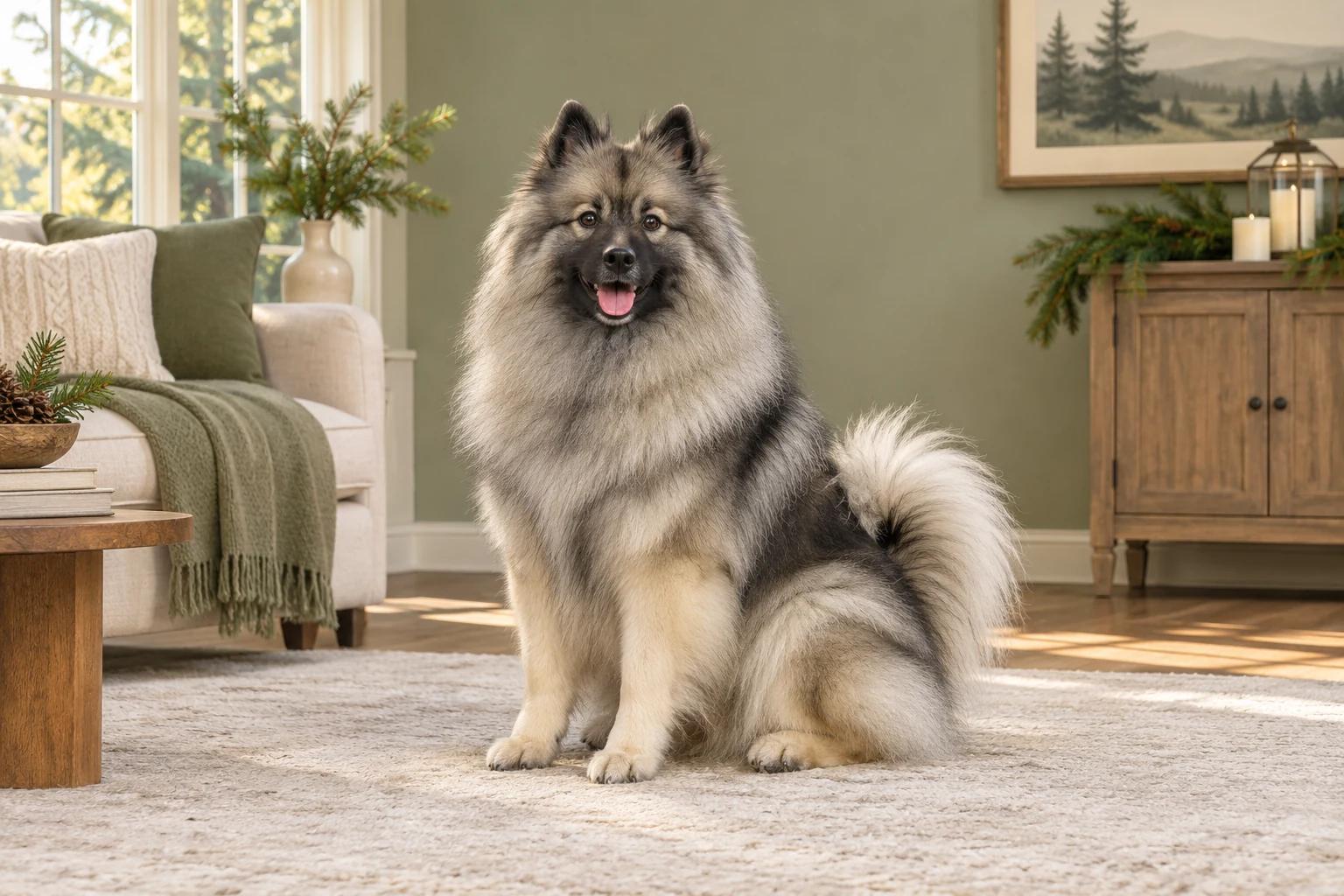
A nickname preserves one part of the story
Dutch barge dog is a memorable introduction to the Keeshond. The American Kennel Club's archive guide connects that nickname with dogs working as watchdogs on Holland's waterfront barges. It places those working associations in the seventeenth and eighteenth centuries, giving the familiar phrase a setting rather than leaving it as a decorative label.
The guide also describes the breed's association with the Dutch Patriots and their leader Cornelius de Gyselaer. That political symbolism is a different strand of the history from work aboard a barge. A breed can become meaningful to people for several reasons, and a single nickname rarely preserves all of them.
There is more to investigate than a repeated anecdote
The AKC's Keeshond Club of America collection contains material such as photographs, publications, show catalogs, correspondence and scrapbooks. Its online guide is an inventory of those holdings. It provides a route into later breed history, but an inventory entry is not the same as having read the original letter or examined the photograph it describes.
If you enjoy researching dogs, begin with a specific question. You might want to understand how a club presented the breed in a particular decade, or compare the information recorded in a show catalog with a family scrapbook. Note the item's date and format before drawing conclusions. A retrospective story and a contemporary record offer different kinds of evidence.
Keep historical curiosity separate from expectations
For a present-day owner, the barge association can be an enjoyable point of connection. It does not certify that a particular Keeshond is comfortable on a boat, can swim safely or will respond in a predictable way to an unfamiliar setting. Those questions require attention to the individual dog and the activity being proposed.
A family could make a small history project from the breed name: record the source of each claim, distinguish what was actually read from what was merely listed, and leave unanswered questions open. That approach makes the story richer without inventing details. It also leaves room for your own dog's life to be ordinary and rewarding, whether or not it ever resembles an old waterfront scene.
Sources behind this article
Article source checked: October 20, 2026. Source checked 2026-10-20
Keep reading
Keeshond vs Samoyed: Size, Company and Coat Care
Read article →