Japanese Akitainu Size: Height, Weight, and Home Planning
Understand Japanese Akitainu height and weight references, then plan sleeping space, transport, equipment, and daily handling for the individual dog.
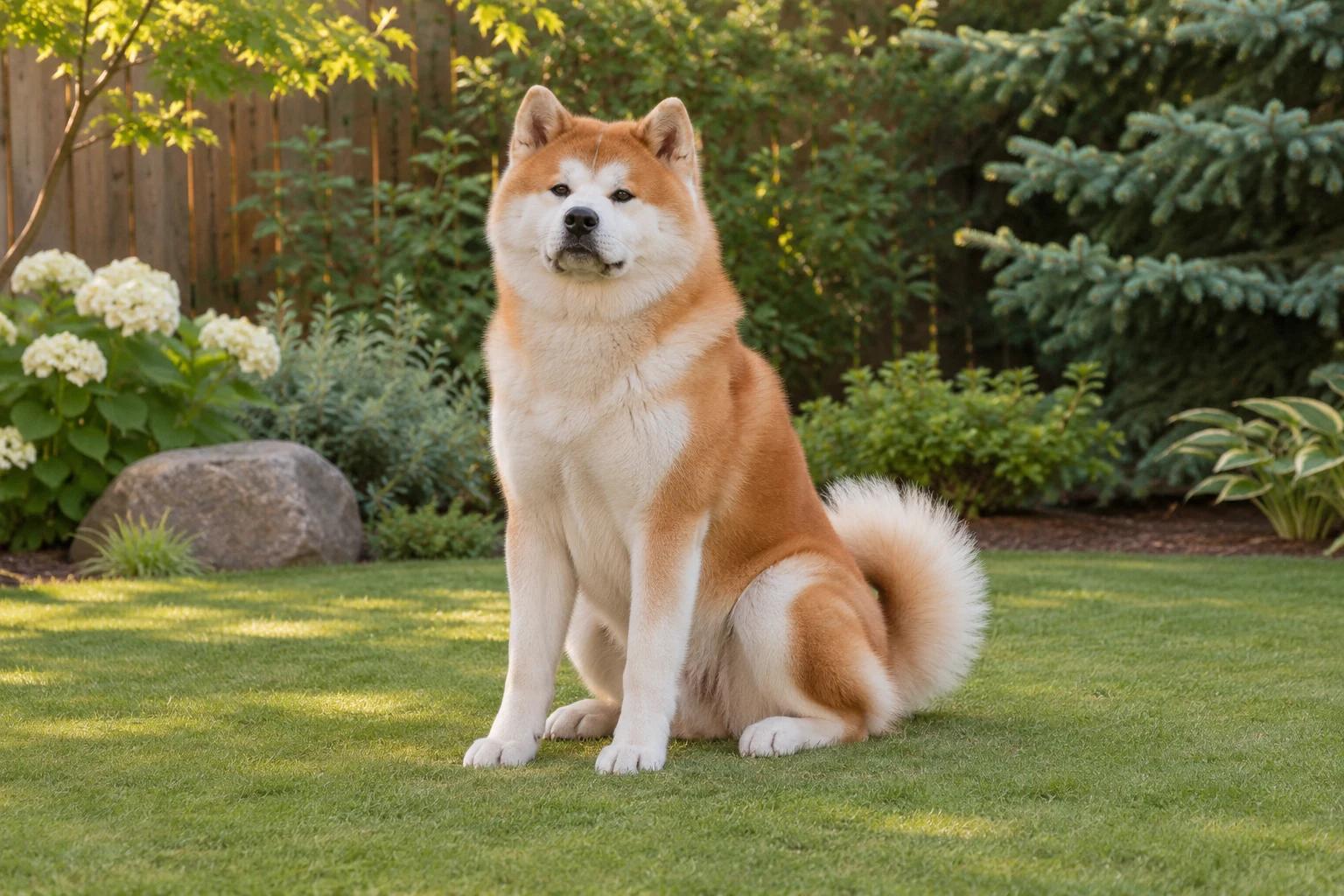
Japanese Akitainu size is worth considering before you choose a bed, plan car travel, or decide who will handle everyday walks. A photograph can understate how much room a large dog occupies when it turns, stretches out, or waits beside an open door. Use breed measurements for orientation, then plan around the individual.
The Japanese Akitainu profile introduces the breed. Here, the emphasis is on turning size information into a workable home setup rather than predicting a puppy's exact adult dimensions.
Japanese Akitainu size: the reference figures
The AKC standard reproduced on the Japanese Akitainu Club of America standards page lists males at 25–27.5 inches at the withers and females at 22.5–25 inches. It gives approximate weights at the preferred size of 65–75 pounds for males and 55–65 pounds for females.
Those Japanese Akitainu height figures describe the shoulder measurement, not the top of the head. The weight wording also matters: approximate weight at preferred size is not a feeding target for every dog.
When asking how big do Japanese Akitainus get, specify whether you mean shoulder height, body length, standing clearance, or weight. Each answers a different practical question. A doorway or travel enclosure cannot be assessed from a weight figure alone.
Record measurements with their units and date. For a growing dog, retain earlier records so you can see when equipment needs checking again. Ask the caregiver what is known about the parents and growth so far, without treating that information as an exact forecast.
Walk through the house before shopping
Start at the entrance and follow the route to the dog's proposed resting area. Look for narrow turns, furniture that blocks passage, and doors that open directly into the space where the dog would wait.
A large dog needs somewhere to stand while a person removes outdoor equipment or carries bags inside. If the only available spot blocks another door, reorganize the area now. A workable entrance routine should not depend on everyone squeezing past the dog at once.
Next, consider the resting area. Can the dog use it without people stepping across the bed? Is there space for a person to approach and manage routine care? Will moving a chair or opening a cupboard repeatedly disturb the space?
These questions are about room arrangement, not a minimum house size. A carefully organized smaller home may have a clearer layout than a larger home with crowded routes and poorly placed furniture.
A bed label is not a measurement
The JACA maintenance guide notes that sleeping preferences differ and discusses preparing suitable beds and crates. Treat that as an invitation to learn how your dog actually rests, rather than buying everything with “large breed” on the label.
Watch whether the dog stretches out, curls up, or changes position often. Check the usable surface of a bed rather than just its outside dimensions. Raised borders and thick cushions can reduce the space available to lie down.
For a crate or travel enclosure, obtain individual fitting guidance and check that the dog can use it comfortably. Manufacturer weight categories are only one part of selection. The available space, opening, and intended use also matter.
Before ordering bulky equipment, measure the place where it will stand and the route used to bring it inside. Include clearance for opening doors and cleaning around it. A well-sized enclosure is not useful if its doorway cannot open fully in your chosen corner.
Transport needs a separate fitting exercise
Japanese Akitainu weight can influence what one person can reasonably lift or assist, but planning travel involves more than lifting. Think through getting the dog into the vehicle, securing it appropriately, and unloading without allowing a sudden exit.
Ask a suitable professional about transport equipment and its fit for your dog and vehicle. Check the usable interior dimensions and how the equipment attaches. Do not assume a product fits because a photograph shows another large spitz-type dog using it.
Rehearse the human sequence while the vehicle is parked: where the lead goes, who opens which door, and where the dog waits. If two people are needed, make that part of the plan rather than discovering it on the morning of an appointment.
Consider routine trips as well as holidays. A practical setup should work for veterinary visits, grooming appointments, and unexpected changes to your usual transport arrangements.
Plan for handling without relying on strength
A dog in this size range deserves useful walking and waiting skills. Decide who will teach them and whether every regular handler understands the same cues.
Ask the caregiver to demonstrate an ordinary departure, a pause near a doorway, and a change of direction on a walk. These observations show what support the dog currently needs. They are more informative than assuming a smaller female will be effortless or a larger male unmanageable.
Arrange uncluttered places for putting on equipment and performing routine checks. JACA's maintenance guidance also highlights traction on hard flooring. Look at the surfaces where the dog turns or stands, and seek suitable advice if footing is uncertain.
For illness, injury, or other situations where lifting may be necessary, discuss an assistance plan with your veterinarian. Do not wait until a difficult moment to decide whether one person can manage alone.
Keep body condition separate from breed averages
Japanese Akitainu weight should be interpreted with veterinary guidance about the individual dog's body condition and history. A scale reading by itself does not tell you whether the dog should gain or lose weight.
Keep dated weights from routine appointments and bring questions about changes to the veterinarian. Avoid adjusting food solely to reach the middle of a published range. Puppy growth, adult maintenance, and later-life care are different conversations.
The coat can also affect the visual impression of size. For its separate color terminology, see the Japanese Akitainu urajiro guide. Appearance is not a substitute for actual measurements or assessment.
Make size one part of the choice
Before committing, picture an ordinary wet weekday rather than only a photograph of an adult dog. Where will it wait, dry off, rest, and travel? Who will handle each task if the usual person is unavailable?
Use the breed match quiz to consider the rest of your routine alongside physical size. A good plan accounts for the dog as a moving, learning companion, not simply a height and weight range.
FAQ
How tall is a Japanese Akitainu?
The AKC standard reproduced by JACA lists Japanese Akitainu males at 25–27.5 inches at the withers and females at 22.5–25 inches. Withers height measures the shoulders, not the top of the head.
Is the published weight a target for my dog?
The Japanese Akitainu standard's approximate weight at preferred size is not an individual feeding target. Ask your veterinarian to interpret your dog's weight alongside body condition, life stage, and history.
Can I buy a crate from Japanese Akitainu weight alone?
Japanese Akitainu weight alone is insufficient for choosing a crate. Check the individual dog's dimensions, the enclosure's usable space and opening, manufacturer guidance, and the intended location or vehicle before choosing equipment.
Sources behind this article
Article source checked: November 16, 2026. Source checked 2026-11-16
Keep reading

Airedale Terrier Temperament: What Everyday Life Can Feel Like
Read article →