Ibizan Hound Training: Keep Learning Worthwhile
Plan Ibizan Hound training with clear rewards, secure recall practice, lead skills, settling, and manageable introductions.
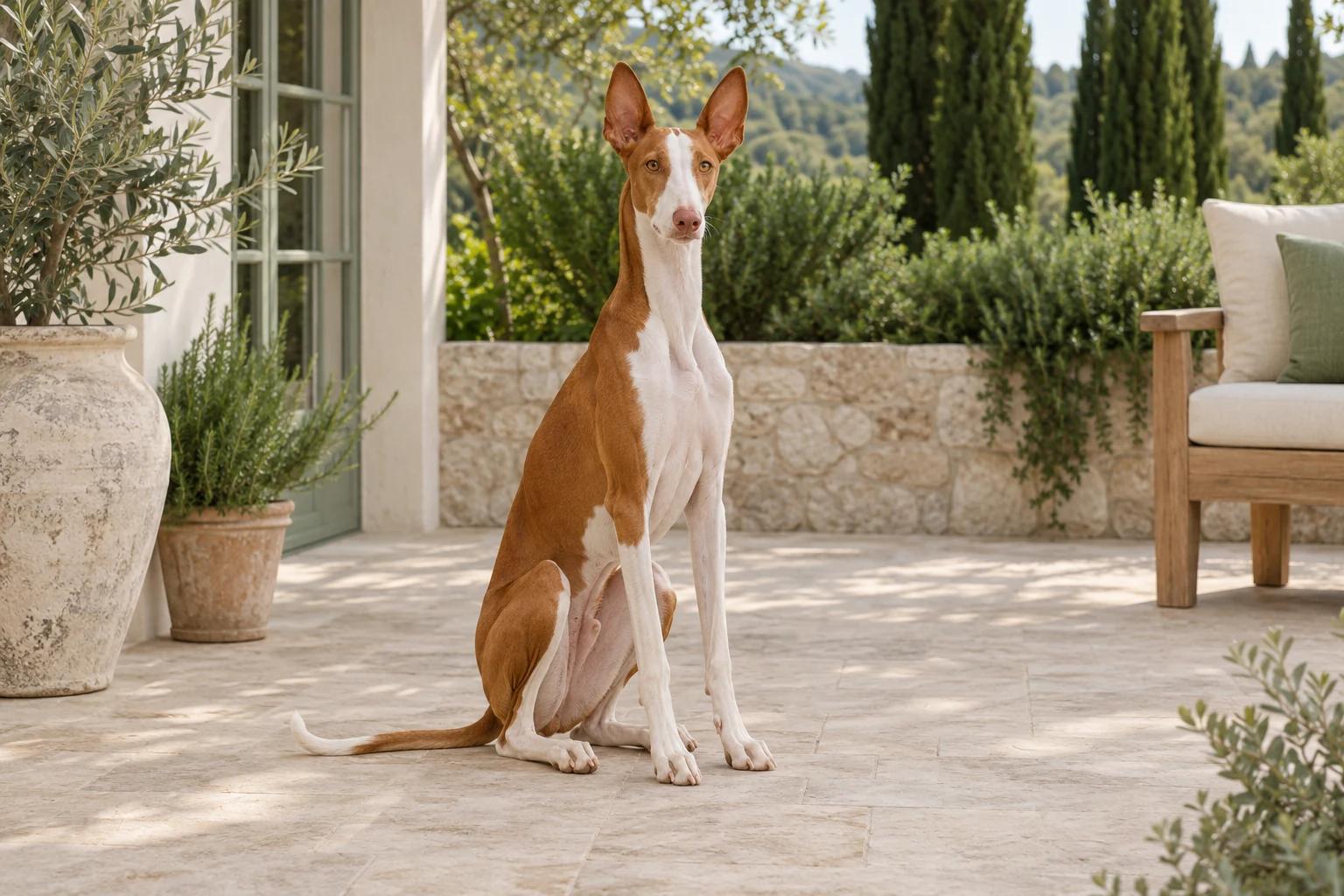
Ibizan Hound training works best as a series of clear, worthwhile tasks rather than a long test of persistence. Decide what you want the dog to do, prepare a useful reward, and choose a setting where the first attempt is realistic. An elegant, attentive pose is not the same as understanding a cue in a distracting place.
The Ibizan Hound profile describes a dog with substantial activity and mental-engagement needs. Training can be part of that shared day, but it should also make ordinary handling easier: coming close, accepting equipment, walking with you, and resting when an activity ends.
Ibizan Hound training: design a small success
VCA's breed care narrative recommends reward-based sessions that stay varied and avoid prolonged drilling. The UKC standard describes a trainable hound with a strong hunting interest. Together, those points suggest a practical priority: make your cue understandable before asking it to compete with the wider world.
Start with one action. If you want the dog to come beside you for a lead, do not simultaneously demand a perfect sit, prolonged eye contact, and stillness while an unfamiliar harness goes on. Separate the parts and build a routine that the dog can recognize.
Prepare the reward before you begin. Searching a cupboard after a successful response interrupts the exchange and makes practice cumbersome. Keep rewards appropriate for your dog, and discuss dietary questions with your veterinarian rather than using a breed-specific treat allowance from the internet.
Teach a useful check-in
Choose a quiet, secure place and reward the dog for turning attention toward you. You are making orientation to the handler worthwhile, not asking for continuous staring. After a brief exchange, allow a break so that attention does not always predict a long chain of demands.
Later, practice while you stand in a different part of the room or move a few steps. Outdoors, begin somewhere with modest distractions and enough space to leave if needed. A dog that can respond in the kitchen may need an easier version beside a hedge full of interesting movement.
Use a small notebook to identify successful settings. Record what was nearby, what reward you used, and how long you practiced. Those details help you reproduce a good session instead of assuming the dog was simply in the right mood.
If the dog repeatedly cannot engage, change the setup. Increase distance from the distraction, shorten the task, or work with a qualified reward-based trainer. Repeating the cue more insistently does not explain what you meant.
Recall practice needs a secure setting
For how to train an Ibizan Hound to come when called, begin with short distances in an enclosed area. Make the return easy and rewarding. Occasionally return to a permitted activity afterward, so approaching you is not always the end of something interesting.
Practice the whole finish: the dog approaches, you calmly attach the lead or touch familiar equipment, and you reward. A dog that comes close but stays just out of reach has not completed the routine you need for leaving an exercise area.
Do not use wildlife as a test. Choose practice conditions deliberately and keep physical management in place. A successful recall yesterday does not authorize off-lead access beside roads, open boundaries, or animals the dog might pursue.
If using a long line, ask a trainer to demonstrate suitable equipment and handling in an appropriate location. A line dragging through obstacles or wrapping around people introduces problems of its own. The tool is part of a planned exercise, not a substitute for judging the setting.
Make lead preparation a separate lesson
Place walking equipment where it can be reached without a scramble. Invite the dog to a consistent preparation spot and reward a brief pause. Introduce each piece of equipment calmly, with help fitting it to the individual body.
Practice when you are not late for a walk. You can attach the lead, reward, remove it, and finish. Separating learning from a hurried departure gives you room to notice whether the difficulty is excitement, unfamiliar handling, or an awkward fit.
On a walk, choose a short stretch for focused practice rather than demanding the same position throughout. Reward a few comfortable steps and use a clear transition into a permitted sniffing break. Decide how you will change direction before you reach a crowded passage.
Ibizan Hound obedience becomes more useful when it includes these transitions. The goal is not a rigid performance from front door to homecoming, but a shared system for moving through ordinary places.
Introductions should leave room to think
Ibizan Hound socialization can include watching a person, hearing a new sound, or standing near an unfamiliar surface without being pushed into contact. Choose one manageable experience and keep enough distance for the dog to participate comfortably.
At a new location, pause near the edge before walking into the busiest part. Let your first visit answer a simple question: can the dog observe and still respond to a familiar cue? You can leave after that rather than extending the outing until attention falls apart.
Ask people not to crowd the dog or reach over it. For a puppy, consult your veterinarian about suitable experiences in relation to vaccination status and local risks. For an adult, use the caregiver's account of previous experience to choose a starting point.
Where other household animals are involved, plan management and introductions with experienced support. General training success does not establish that unrestricted interaction is appropriate.
Teach the end of the activity
An active day also needs recognizable pauses. Put a comfortable mat in a place that is not a thoroughfare, and reward brief time there during a quiet moment. Add ordinary household movement gradually: sitting down, picking up a book, or walking to a nearby chair.
Give a clear release when the practice ends. Do not turn the mat into a place where the dog is constantly corrected for moving. If you need a longer period of management than the dog has learned, arrange the environment rather than stretching the exercise beyond its current stage.
Review the whole day if settling is consistently difficult. A trainer can help distinguish an unclear lesson from a routine that needs adjustment. Avoid assuming that more intense activity is the answer to every restless evening.
Our Ibizan hunting article explains why appearance alone does not describe the breed's working account. For household planning, the breed quiz can help you reflect on the time you want to spend learning together.
FAQ
Can an Ibizan Hound learn obedience?
An Ibizan Hound can learn obedience through clear tasks and suitable practice. Focus on everyday actions such as approaching for equipment, walking with you, and settling, rather than comparing the dog with a polished demonstration.
Should training sessions be long?
Ibizan Hound training should start with manageable goals rather than lengthy repetition. Use a small goal, reward successful attempts, and finish while the exercise remains productive. Adjust the session to the individual dog.
Does a trained recall mean off-lead exercise anywhere is appropriate?
An Ibizan Hound's trained recall does not make off-lead exercise appropriate everywhere. Recall practice does not remove the need for secure surroundings and suitable management. Roads, open boundaries, wildlife, and unfamiliar locations require separate judgment.
What if my dog ignores a familiar cue outdoors?
If an Ibizan Hound ignores a familiar cue outdoors, make the setting easier and review the task with a qualified trainer. A cue learned in a quiet room may need gradual practice around distractions; louder repetition alone does not supply that learning.
Sources behind this article
Article source checked: November 16, 2026. Source checked 2026-11-16
Keep reading

Affenpinscher Training: Build Useful Everyday Habits
Read article →