Hokkaido vs Shiba Inu: Beyond the Similar Outline
Compare Hokkaido and Shiba Inu size, learning, activity, and daily care. Look beyond the shared spitz outline when considering either dog.
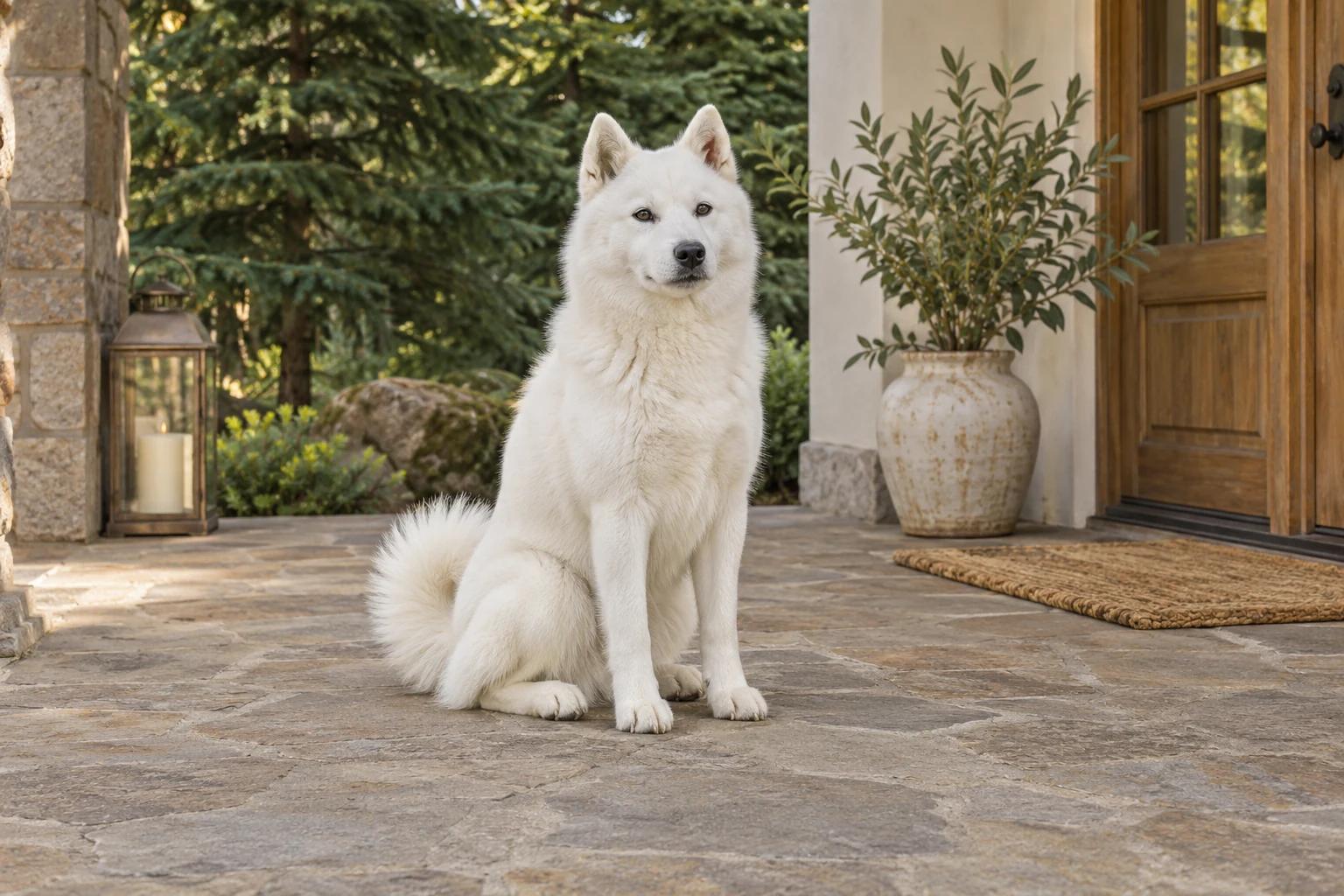
Hokkaido vs Shiba Inu is an understandable comparison: upright ears, a curled tail, and a compact-looking outline can make the two breeds seem interchangeable in photographs. They are not. Size, everyday engagement, and the individual dog's experience deserve more attention than resemblance. A useful decision begins with the routine you can offer, not which picture most closely matches your preferred look.
Read the Hokkaido profile and Shiba Inu profile together, then use the comparison below to prepare concrete questions for people who know the dogs you are considering.
Hokkaido vs Shiba Inu: size changes practical tasks
The Hokkaido is the taller dog in the references used here. The Hokkaido Association of North America gives a height of 18–20 inches. The UKC Shiba standard gives 14.5–16.5 inches for males and 13.5–15.5 inches for females. These descriptions concern the breeds, not measurements of a particular puppy's future body.
Put the distinction into a real setting. Check the space available for travel, a resting area, and grooming access. If someone else will walk the dog, involve them in the planning rather than assuming that comfort handling one spitz-shaped dog transfers automatically to another.
Size is only one part of equipment fit. Chest shape, individual measurements, and the intended use matter too. Ask for help fitting a harness and check the specifications of travel equipment. Buying items from the breed name alone is a poor substitute for measuring the dog that will use them.
An independent learner still needs clear teaching
The UKC describes independence and alertness in the Shiba. HANA describes a Hokkaido that combines close involvement with its people and an independent approach to learning. Neither description is a reason to treat training as a contest over who is in charge.
The site profiles present the Hokkaido as relatively responsive and the Shiba as more independent. Those tendencies can help frame questions, but they cannot rank two individual dogs' ability or tell you how much teaching either will need. Ask what the dog already knows and how its caregiver communicates.
A useful demonstration might be an ordinary lead walk, moving to a resting place, or waiting while equipment is prepared. Notice the cues and rewards rather than looking for a dramatic performance. The aim is to understand the skills you would be taking over and where a qualified reward-based trainer could help.
Activity should fit a working week
The Hokkaido profile places physical activity higher than the Shiba profile, while both call for mental engagement. If your interest in either breed is mostly visual, pause here and write out a normal weekday. Identify outdoor time, shared activities, and who covers them when your schedule changes.
A large garden is not the same as a plan. Ask what the individual dog currently does outdoors and what it enjoys doing with a person. A prospective owner who likes a purposeful learning activity may have a different arrangement from one whose main pleasure is a familiar walking route. Both should ask how their idea compares with the dog's existing day.
Consider the least flexible part of the week as well as your free weekend. If every interesting outing depends on one person finishing work early, the arrangement may be less dependable than it looks. Identify the backup before selecting the dog, not after discovering that the original plan rarely happens.
Coat care is not settled by a short-looking outline
Both breeds have double coats. The Shiba standard describes a stiff outer coat over a softer undercoat; HANA likewise describes the Hokkaido's distinct coat layers. A relatively neat silhouette does not remove the need to plan coat care and household cleaning.
Ask the current caregiver to show the grooming tools and explain how they are used. Discuss what a normal session involves and who in your household will learn it. Avoid selecting one breed on the assumption that its coat will be invisible around the home.
Think about logistics rather than collecting products in advance. Where can you work comfortably? Is there appropriate lighting? Where will equipment be stored? An experienced groomer can help you choose tools and a routine for the individual dog without turning an appearance comparison into a guess about care.
Compare introductions and personal space
When investigating Shiba Inu vs Hokkaido companions, ask how each dog meets unfamiliar people and dogs. Do not assume that a strong connection with familiar caregivers means an equally enthusiastic greeting for everyone else.
Explain the actual social demands of your home. Frequent house guests, narrow shared entrances, and regular visits from another dog are distinct situations. A caregiver may be able to describe relevant experience, or may need to say that a situation is unfamiliar. Either answer helps you plan more honestly than a general claim that the dog is friendly.
Respect the introduction the caregiver recommends during a visit. The dog does not have to demonstrate affection on demand to be worth considering. Observe without crowding it and ask what its ordinary behavior looks like once the novelty of visitors has passed.
Do not let resemblance become an identity shortcut
A difference between Hokkaido and Shiba Inu dogs is their distinct breed identity, not merely their dimensions. Ask for the individual dog's records and background. Appearance, color, and an informal description are not substitutes for documentation.
If the Hokkaido's name and background interest you, the existing article on the Hokkaido naming milestone explores that separate historical subject. For the present decision, keep returning to ownership: the activities, care, and management this dog will need from you.
Choosing Hokkaido or Shiba Inu should end with a practical account of why the particular dog fits, not a slogan about one being the easier version of the other. The breed quiz can help clarify your preferences, but meeting dogs and asking specific questions supplies the detail a visual comparison cannot.
FAQ
Is a Hokkaido simply a larger Shiba Inu?
A Hokkaido and a Shiba Inu are distinct breeds, not different sizes of the same breed. The Hokkaido is taller in the cited height ranges, but size alone does not describe differences in ownership or establish an individual dog's needs.
Which breed is easier to train?
Hokkaido and Shiba Inu profiles describe learning tendencies, not a universal ranking of training ease. Ask about the individual dog's skills, experience, and response to the caregiver. Both need clear, consistent teaching rather than assumptions based on appearance.
Which is the better choice for a smaller home?
Choosing a Hokkaido or Shiba Inu for a smaller home requires comparing access, routines, introductions, care space, and the individual dog's experience. A smaller body does not automatically make an easier household fit. Plan the daily responsibilities before choosing either breed.
Sources behind this article
Article source checked: November 16, 2026. Source checked 2026-11-16
Keep reading

Affenpinscher vs Brussels Griffon: Everyday Differences
Read article →