Harrier Training: Keeping a Scenthound Engaged
Plan Harrier training with brief varied practice, useful household skills, realistic outdoor goals, and thoughtful introductions.
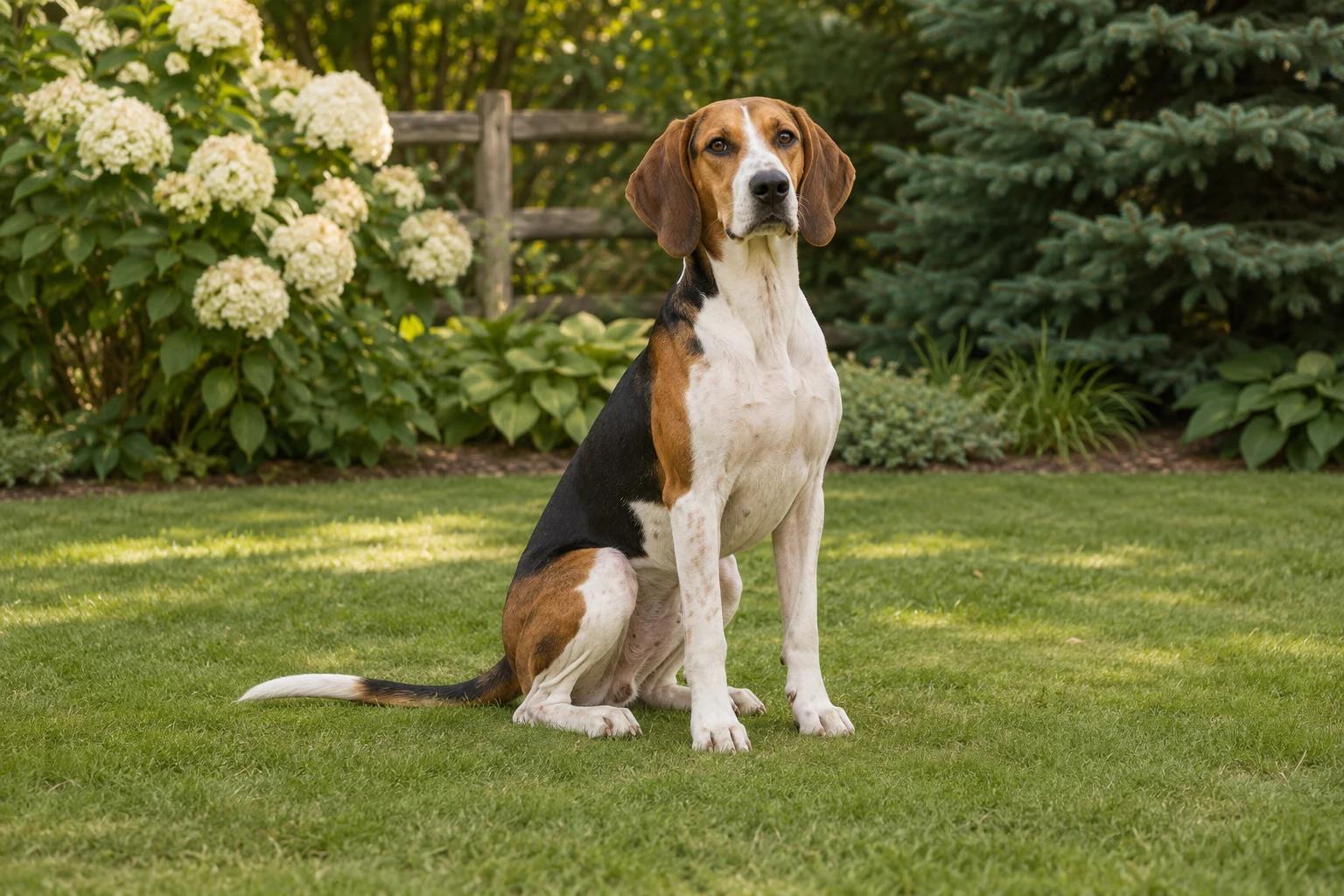
Harrier training works best as a conversation you can sustain, not a contest over who can repeat a cue longest. The everyday challenge is to make your request clear while the dog has other interesting things to notice. Start with useful actions, choose manageable settings, and keep track of what the dog has actually learned rather than what you hoped it understood.
The Harrier profile supplies the broader ownership picture. Here, the focus is organizing training around walks, people, and the practical routines that occupy most of a companion dog's life.
Harrier training: short practice with a purpose
VCA's Harrier overview highlights scent distractions, food as a possible motivator, and brief, varied practice rather than dull repetition. That is useful context, but variation should not mean changing the meaning of your cues every day.
Give each short session a single purpose. You might practice approaching the place where the lead is kept, standing while equipment is prepared, or moving with you through a quiet room. The point is to finish knowing which action you practiced and how it went.
A simple record can contain three lines: setting, requested action, and next step. “Kitchen, approach the lead station, try again with coat already on” tells you more than “good session.” It also helps another household member continue the same lesson rather than starting a competing version.
Make the humans' instructions match
If one person uses “come” for approaching and another uses it while the dog is already beside them, the cue has become less precise. Write down the small set of words you use and what visible action each means. Agree on those definitions before blaming the dog for an inconsistent response.
This is especially useful when arranging a dog walker or sitter. Explain the equipment and the routine in ordinary language. Demonstrate a familiar outing rather than handing over a list of commands with no context about where they work.
When considering how to train a Harrier, include the learning curve for the people. Who prepares the reward? Who opens the door? Who checks that the lead is attached? A tidy human sequence can remove confusion from an otherwise simple task.
Use the entrance as a planning exercise
The front door is often where several demands collide. Someone wants to leave, someone else is searching for keys, and the dog is anticipating the outing. Instead of treating every departure as an examination, arrange practice when there is no urgent destination.
Choose a secure setup that prevents access to the outside while you rehearse. Decide where the dog should be during lead attachment and where bags will wait. Ask a reward-based trainer to help divide the routine into manageable steps if it is becoming difficult.
A short rehearsal need not include opening the real exit at all. You can work on the preparatory part separately. The lesson is not that a Harrier should tolerate endless waiting; it is that the household can make the sequence predictable without relying on a hurried improvisation.
Give outdoor skills specific addresses
Harrier obedience learned in one quiet place should not be treated as proven everywhere. Keep a list of where a skill has been practiced: the kitchen, the enclosed garden, a quiet path, or a busier street. This prevents a vague claim such as “knows it” from hiding an important change of setting.
Before a walk, decide which stretch is suitable for practice and which is simply a route you need to manage. Choose places with room to pause or change direction. A narrow pavement beside traffic is not a useful place to discover that your plan asks too much.
Discuss appropriate lead or long-line handling with a trainer before using unfamiliar equipment. VCA's breed overview specifically stresses retaining a lead around scent distractions. A successful practice session does not by itself justify removing that management in an unsecured location.
Build sociability without a greeting quota
The UKC Harrier standard describes an outgoing, friendly ideal. Harrier socialization still concerns the individual dog, not collecting as many greetings as possible. Being able to pass people or observe another dog without an interaction can be a useful household goal.
Plan introductions so the people know what to do. A visitor can sit down and let you manage the space rather than leaning over the dog immediately. Tell them whether the current exercise is a greeting or simply sharing the room calmly; otherwise they may unintentionally change the task.
Ask a veterinarian and qualified trainer about suitable puppy experiences and timing. For an adult with fear, distress, or difficult reactions, get individual guidance. Do not assume that a sociable breed description means the solution is more intense exposure to whatever the dog finds hard.
Practice the unglamorous skills
Some of the most valuable lessons rarely appear in an entertaining training video. Standing while a harness is adjusted, approaching a resting area, and allowing a calm handover to another caregiver can make everyday life easier to organize.
Pick the one task that currently causes the most repeated disruption. Describe the desired action without adding a judgment about the dog. “Stay near the mat while I put on shoes” gives you a clearer starting point than “stop being silly before walks.”
Use professional help to turn a difficult task into achievable practice rather than escalating pressure. If a normally comfortable dog suddenly resists handling or seems physically uncomfortable, speak with a veterinarian. A new problem should not automatically be treated as a failure of obedience.
Review progress without moving every goalpost
At the end of a week, compare your notes with the starting point. Has the dog become more familiar with the chosen routine? Have the people become more consistent? Which setting still needs support? You do not need a perfect score to identify useful progress.
Change one part of the plan deliberately instead of making the next attempt longer, busier, and more complicated all at once. Keep records concise enough that you will actually use them. If a session goes poorly, record the circumstances and discuss the pattern with your trainer rather than attaching a permanent label to the dog.
For a separate look at breed-reference measurements, see the Harrier size-standard article. If you are still deciding whether this kind of daily engagement appeals to you, the breed quiz can help clarify your expectations before you commit.
FAQ
Why does my Harrier respond indoors but not outside?
A Harrier may respond differently outdoors because the setting includes distractions absent indoors. Record where the skill has been practiced and ask a qualified trainer to help you build manageable steps rather than assuming the dog is deliberately ignoring you.
How long should a Harrier training session last?
Harrier training sessions should be brief and purposeful, with their length adapted to the individual dog's engagement. End with a clear record of what you worked on rather than aiming for a universal duration or repeating an exercise until everyone is frustrated.
Does a friendly Harrier need to greet every dog?
A friendly Harrier does not need to greet every dog. Socialization can include calmly observing or passing other dogs. Plan introductions around the individual dog's experience and the situation, not a quota of social contacts.
Sources behind this article
Article source checked: November 16, 2026. Source checked 2026-11-16
Keep reading

Affenpinscher Training: Build Useful Everyday Habits
Read article →