Great Pyrenees vs Bernese Mountain Dog: Daily Life
Compare Great Pyrenees and Bernese Mountain Dogs through training, household space, coat care, and practical questions for your next visit.
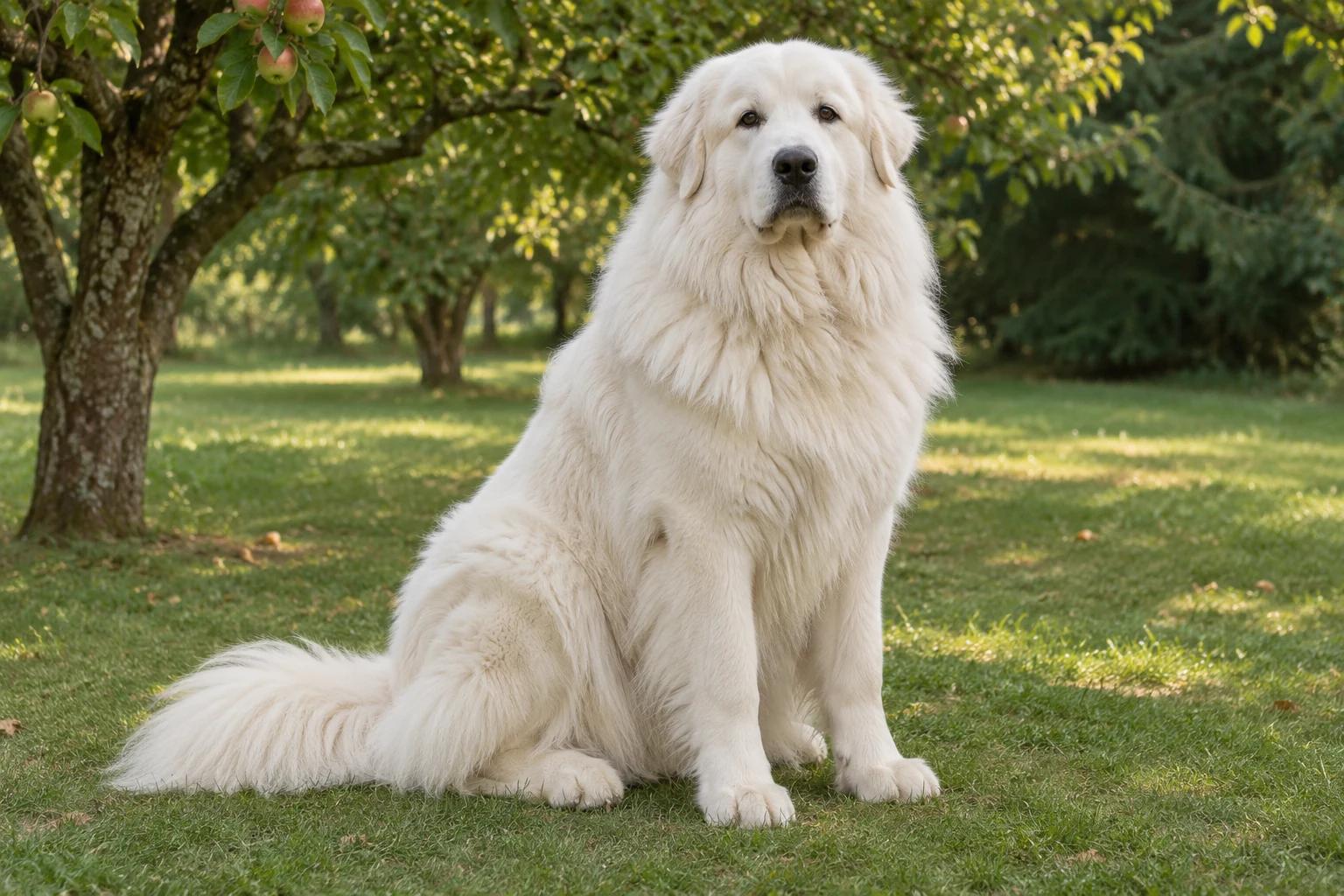
A Great Pyrenees vs Bernese Mountain Dog decision is not simply a choice between white fur and a tricolor coat. Both put a substantial dog into your everyday spaces, but the companionship you want matters as much as the space you have. Start with how you like to spend time with a dog: shared activities, quiet company, training practice, visitors, and ordinary walks. Then investigate what the particular dogs you meet actually do.
Great Pyrenees vs Bernese Mountain Dog: Start with interaction
The American Kennel Club's Great Pyrenees introduction describes a powerful, thick-coated breed with a watchful character. Its Bernese Mountain Dog introduction emphasizes affection and an interest in doing things with the owner. That is a useful initial contrast, not a test that identifies the right dog on sight.
Picture yourself in the garden. Do you imagine a dog checking in while you potter, joining a small training game, or quietly choosing its own resting spot? Write down the interactions you would enjoy. At a visit, ask the caregiver to describe an ordinary afternoon rather than inviting the dog to perform for you. A greeting can be exciting without representing the rest of the day.
The difference between Great Pyrenees and Bernese Mountain Dog ownership becomes clearer when you ask about specific situations. What happens when the owner stops playing? Can the dog rest nearby while someone works? How does it respond when a familiar person asks it to leave the doorway? These are more informative questions than asking which breed is more loving.
The breed profiles also show a useful difference in height: the Great Pyrenees reference lists males at 27–32 inches and females at 25–29 inches, compared with 25–27.5 inches and 23–26 inches for Bernese Mountain Dogs. These are reference ranges, not puppy forecasts. If vehicle access or headroom is tight, measure it instead of treating both breeds as the same large-dog silhouette.
Compare the home at floor level
Lay out the spaces that a large dog will actually use. Mark a bed-sized area in the room where you spend evenings. Open the adjacent door. Can someone carry laundry past without stepping over the sleeping dog? Now think about the entrance, vehicle, hallway, and the place where wet paws will be cleaned.
Do this for either breed instead of assuming your large living room settles the housing question. A narrow entrance shared with neighbors may matter more than total floor area. A car that accommodates a dog may leave little room for luggage. If you depend on a lift, consider how you would manage a busy arrival home with groceries and a dog on lead.
Ask caregivers to demonstrate their own arrangements. You may discover a useful washable runner, a roomy resting corner, or a door routine you can copy. You may also discover that your imagined setup needs changing before you choose a dog. Practical preparation is not a competition over whose home is bigger.
Training expectations deserve a separate conversation
When comparing Bernese Mountain Dog vs Great Pyrenees companions, avoid treating responsiveness as a ranking of intelligence. Your preference for frequent training matters, but so does your ability to notice when the dog needs a clearer task or a quieter setting.
The Great Pyrenees Club of America's training guidance explains that independence and boredom with repetition can shape a Pyr's response to lessons. The AKC describes the Berner as eager to please its owner. These accounts suggest a practical distinction, not a guarantee about either dog. For a Pyr, ask what motivates participation and how the caregiver keeps lessons engaging. For a Berner, ask the same questions rather than assuming a cooperative reputation makes practice unnecessary. Invite examples: a cue that works indoors, one still being learned outside, and a household habit that took longer than expected.
A useful visit might include watching the dog move from the garden into the house or wait while a lead is attached. You are not administering an obedience examination. You are learning how people communicate with that individual and whether their style fits the routine you want to maintain.
If you prefer a dog that follows every instruction promptly, be honest about that expectation before choosing. If you enjoy patient practice, say so too. Neither preference is a reason to label a dog difficult; it is information about the partnership you are trying to build.
Plan for the coat you will live with
Photographs show a finished coat. Your household will also see the drying towel, the grooming tools, the car blanket, and the place where brushing happens. For both candidates, ask someone to show the actual grooming routine rather than giving you a single maintenance label.
Where does the dog stand or lie? Which areas take longest? Does it accept handling of its paws? Can one person manage the routine comfortably? A demonstration tells you more about your future workload than a pristine photograph taken after a grooming appointment.
Consider your own habits. If you dislike spreading towels in a hallway, decide where coat care will happen instead. If you travel frequently, identify who can maintain the dog's familiar routine. Do not choose the white or tricolor coat on the assumption that its appearance predicts how much work you will tolerate.
Use two ordinary weekdays to make the decision
Before deciding on a Great Pyrenees or Bernese Mountain Dog, write two schedules: one for a normal workday and one for a difficult day. Include outings, company, quiet time, care, and the handoff between household members. The difficult day might involve rain, an early meeting, or someone arriving home late.
Then ask a breeder or rescue to review those schedules with the particular dog in mind. A helpful answer should contain details, not just enthusiasm. Which parts match the dog's present routine? Which would need preparation? Who will provide practical support if the transition is harder than expected?
Read the Great Pyrenees profile alongside the Bernese Mountain Dog profile. For the Pyr's working background, the separate article on guarding rather than herding explains that distinction without turning it into a household job requirement. The breed quiz can help you organize your priorities before a visit.
FAQ
Which breed should a first-time owner choose?
First-time owners comparing Great Pyrenees and Bernese Mountain Dogs should assess the actual dogs, available support, and household arrangements rather than a beginner-friendly label. Ask for an honest account of care and training, and make sure every regular handler can manage the planned routine.
Can appearance tell me which dog will suit me?
Appearance cannot establish whether a particular Great Pyrenees or Bernese Mountain Dog will suit your household. Coat color and outline may draw your interest, but observations of settling, handling, outings, and everyday interactions provide more useful information for a placement decision.
What should I ask at a breeder or rescue visit?
When meeting a Great Pyrenees or Bernese Mountain Dog, ask about a normal weekday, familiar handling and lead routines, and situations the dog finds difficult. Request concrete examples rather than broad claims about the breed. Bring your own schedule so the discussion addresses the home you can actually offer.
Sources behind this article
- American Kennel Club: Great Pyrenees ↗
- American Kennel Club: Bernese Mountain Dog ↗
- Great Pyrenees Club of America: Obedience Training ↗
Article source checked: November 16, 2026. Source checked 2026-11-16
Keep reading

Affenpinscher vs Brussels Griffon: Everyday Differences
Read article →