Giant or Standard Schnauzer: compare the dog behind the beard
Compare Giant and Standard Schnauzers through their distinct breed identities, physical scale and the everyday handling commitment both require.
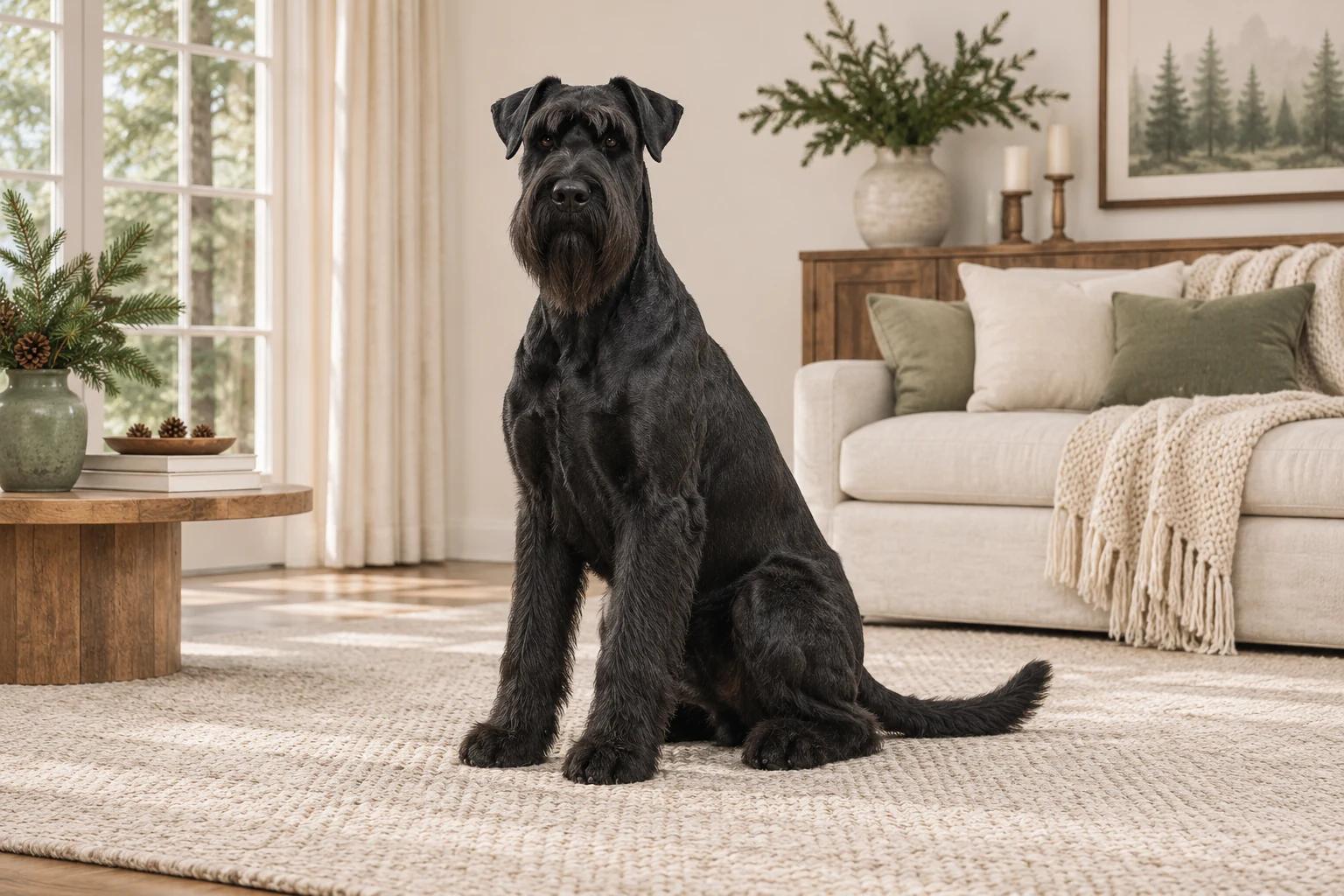
Similar outlines, separate breeds
The Giant and Standard Schnauzer share a familiar beard, eyebrows and substantial outline, but they are separate breeds with their own standards. AKC identifies the Standard as the original Schnauzer and describes the Giant’s historical work driving cattle, carting and guarding. Choosing between them is more consequential than selecting a larger version of the same household accessory.
AKC’s Standard Schnauzer overview gives a height of 17.5 to 19.5 inches and a weight of 35 to 45 pounds. Its Giant Schnauzer overview describes dogs reaching 27.5 inches and 95 pounds. These published descriptions show the scale of the difference; they are not exact predictions for a puppy or a substitute for measuring an adult dog.
Put the handlers into the comparison
Consider who will actually manage the dog when someone is ill, a delivery arrives or a walk becomes distracting. A person comfortable with a Standard may not be equally comfortable managing the size and strength of a Giant. Meet adult dogs with their owners’ permission and observe ordinary handling, rather than judging size from a portrait that crops out the person holding the leash.
An illustrative comparison is a household where two adults share walks but one does most weekday care. If only the stronger adult feels comfortable handling the Giant, the plan already depends on that person being available. Better leash skills and professional training are worthwhile, but a future training goal should not hide a present mismatch between the dog and its everyday caregivers.
The smaller option still needs involvement
Choosing a Standard does not remove the need for training and shared activity. AKC’s account of the Standard emphasizes its all-purpose farm background, problem-solving ability and interest in family activity. The Giant also has substantial exercise and working needs. Neither should be selected on the assumption that the beard conceals a naturally passive companion.
Ask each owner what an ordinary day involves, how the dog responds to visitors and what care takes the most effort. Keep those observations attached to the particular dog; one calm meeting is not a temperament guarantee. Size may settle the choice for some households, while others discover that neither breed suits their preferred pace. A useful comparison leaves room for that answer instead of declaring a universal winner.
Sources behind this article
Article source checked: October 20, 2026. Source checked 2026-10-20
Keep reading
Giant schnauzer grooming: beard, coat, and home care
Read article →