German shepherd dog training: plan everyday learning
Build a German Shepherd training brief, choose suitable instruction, and track useful skills across real household situations.
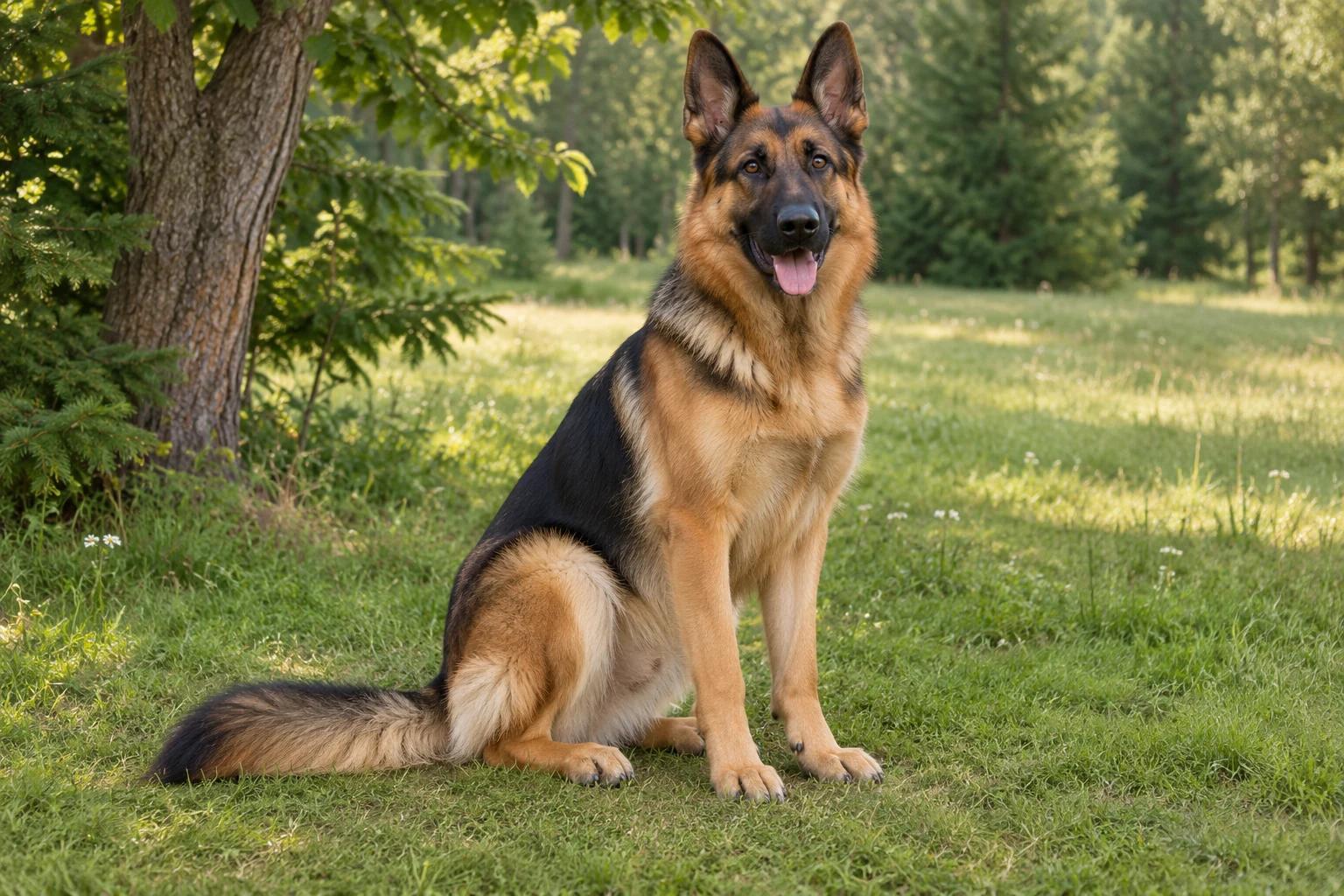
German shepherd dog training should begin with the life your dog actually leads, not the polished routine you saw in a video. A companion needs to understand everyday signals in ordinary places: beside the car, on a walk, during care, and when someone needs space to pass. Build a training plan around those moments, then choose instruction that helps both ends of the lead.
German shepherd dog training: write a useful brief
The UKC breed standard describes an alert, willing worker that can approach new tasks eagerly. The AKC introduction identifies a large, muscular working dog. Neither description supplies a finished training program for an individual companion.
Before contacting a trainer, write a one-page brief. Include the dog's age, known experience, existing cues, daily routine, and the specific situations you want help with. Distinguish an inconvenience from a serious concern. Pulling toward an interesting smell and lunging in a frightening encounter should not be collapsed into “bad on the lead.”
List your own constraints too. Perhaps you use an elevator, share a narrow pavement, or depend on another person for transport. An instructor can offer more relevant help when they know where the skills will be used. The brief is not a diagnosis; it is a way to arrive with useful information.
Choose a teacher before choosing a course label
A class advertised as advanced obedience may sound more suitable for a clever breed than a foundations class. Ignore that implication. Ask what the course actually teaches, what experience is required, and how the instructor accommodates a dog that cannot comfortably work beside others.
Explain any history of fear, aggression, or distress before enrolling. A group setting may not be the right first step. Seek a qualified reward-based professional who can explain their methods and refer you to veterinary support when needed. Sudden behavioral changes or suspected discomfort belong in a veterinary conversation, not simply on a training checklist.
Ask what owners practice between sessions and how progress is reviewed. You should be able to describe the lesson in plain language afterward. If the only explanation is that a German Shepherd needs someone to show it who is boss, that does not tell you how to teach the required skill.
Translate obedience into observable outcomes
For a household, german shepherd dog obedience is most useful when it describes communication rather than a level of submission. Pick one situation and define success. For instance, you might want your dog to move with you to a designated waiting area while another person carries equipment past.
Break your description into the parts a trainer can help teach: moving toward the place, remaining there briefly, and leaving when invited. Do not assume that understanding one part means understanding the whole sequence. Keep your practice location and management arrangements appropriate while learning is underway.
VCA's guide to predictable rewards recommends teaching a clear alternative behavior and building familiar cues in quiet settings before adding distractions. Rewards should be things the dog values. The following planning examples apply that principle to household organization; they are not a substitute for individual instruction.
Use a practice map instead of a command list
Draw three columns labeled familiar, changed, and not yet practiced. Put a skill in the first column only for the situations in which you have actually seen it work. A cue used successfully in the kitchen belongs there; using the same cue near a busy entrance may belong in the third column.
This prevents a common misunderstanding: treating a failure in a new place as proof that the dog is choosing to ignore a fully learned task. Bring the map to your trainer and ask which change to introduce next. Change one manageable element rather than moving immediately from a quiet room to the most difficult setting you can find.
A short observation is enough. “Turned toward me indoors; struggled when the lift opened” is more useful than “knows attention.” The map should clarify your next question, not become a complicated record that nobody maintains.
Socialization should support your actual environment
German shepherd dog socialization is not an obligation to arrange contact with every person and dog. Discuss appropriate, gradual experiences with your trainer, and obtain veterinary guidance for puppy exposure. Include the settings your dog will genuinely need to navigate rather than assembling a collection of dramatic outings.
If you live in a building with shared corridors, ask about observing activity from an appropriate distance and managing entrances. If car travel is essential, include the vehicle and the places where journeys begin and end. If regular care involves an unfamiliar professional, ask how to prepare for that handling experience.
Keep a route out of an exercise. The purpose is not to prove that the dog can tolerate whatever appears. If something is difficult, the next step is better planning and qualified guidance, not insistence based on the breed's reputation for confidence.
Give every handler the same information
When two people share a German Shepherd, small differences can become confusing. One person may use a cue to mean approach closely; another may use it merely to attract attention. Write down the few signals that matter most and describe the intended response.
Keep the instructions accessible to a substitute carer. Include equipment, permitted routes, and situations you are not yet practicing. A visitor should not be asked to test an unfinished skill. A care handover is successful when it preserves the established plan, not when it introduces a surprise challenge.
Owners wondering how to train a german shepherd dog often seek a comprehensive schedule. Start instead with a clear agreement about the next useful behavior and who will teach it. Expand only when the current work makes sense to everyone involved.
Review the partnership, then add complexity
At each review, ask what has become easier in daily life, what remains difficult, and whether your plan still fits the dog. There is no need to turn every session into a performance. If you later want a leisure activity, the existing shared-hobby guide covers that separate decision.
For broader context, visit the German Shepherd Dog profile. Prospective owners can use the breed quiz to reflect on their appetite for ongoing teaching. A realistic training relationship is built through ordinary repetitions and appropriate help, not a promise that intelligence will make the work disappear.
FAQ
Does a German Shepherd need advanced obedience immediately?
No course title is automatically right for the breed. Start at the level that matches the individual's experience and your practical goals. An instructor should explain prerequisites and adapt the setup where extra support is needed.
Why does a familiar cue fail somewhere new?
A different environment can make a task harder than its familiar version. Record what changed and discuss a simpler practice step with your trainer. Do not assume the dog understands every context because it responds at home.
Can I use one plan for every German Shepherd?
Use general principles, but tailor the details. Age, previous teaching, health, environment, and behavior history affect the appropriate plan. Qualified guidance is especially important when there is fear, aggression, distress, or a sudden change.
Sources behind this article
- AKC German Shepherd Dog ↗
- UKC German Shepherd Dog standard ↗
- VCA: Using Predictable Rewards to Train Your Dog ↗
Article source checked: November 15, 2026. Source checked 2026-11-15
Keep reading

Affenpinscher Training: Build Useful Everyday Habits
Read article →