German Rex size: adult weight and physical proportions
Explore German Rex size with the current adult weight range, muscular torso, head proportions and clear distinctions between weight and height.
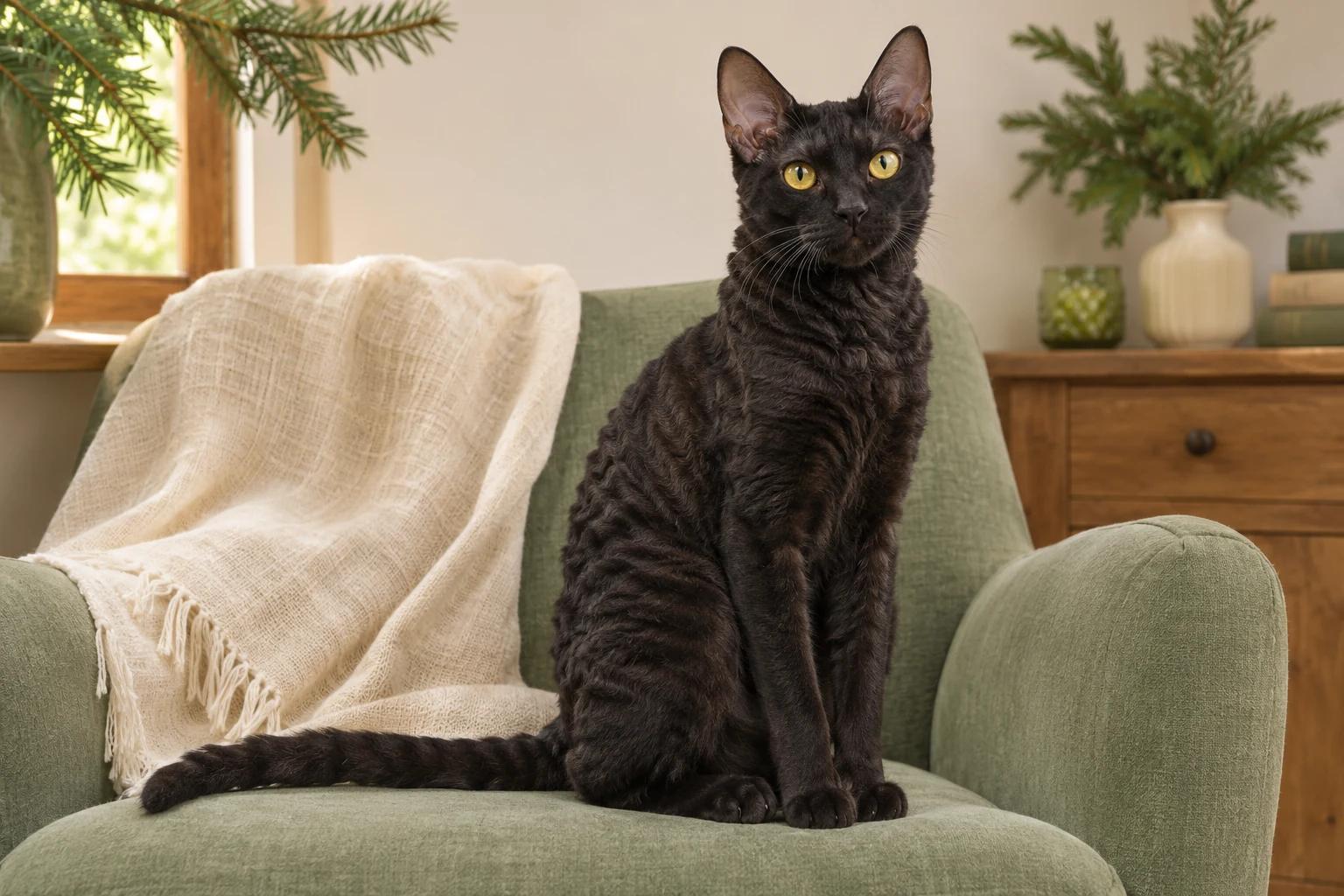
German Rex size is best pictured as a medium cat with a clearly defined frame, not as a miniature breed simply because its name is less familiar. The current German Rex profile gives an adult weight range of 6–10 pounds. It does not divide that range into male and female figures, so the same reference should not be presented as two invented sex-specific charts.
The number on a scale is only one part of the picture. Body length, chest shape and the proportions of the head and limbs describe different things. Understanding those features is more helpful than trying to turn a weight range into a guaranteed height or a promised adult measurement for a kitten.
German Rex size and the 6–10-pound adult range
Six to ten pounds is approximately 2.7–4.5 kilograms. Keep the units visible when reading an adoption description or comparing a cat's records. A German Rex listed as “4 kg” is roughly 8.8 pounds, not a four-pound adult. That conversion places the measurement within the stated adult range without changing anything about the animal.
The range is a reference for the breed, not a claim that six pounds is a minimum acceptable weight or that ten pounds is an objective to reach. An individual weight assessment belongs with a veterinarian. Do not change feeding simply to move a cat toward the middle or upper end of a breed description.
German Rex weight figures also need an age attached. A kitten's present weight and an adult's present weight answer different questions. Comparing them as if both were final adult measurements would confuse development with variation between grown cats. If you are considering an adult, ask for its actual measurement rather than substituting the breed range for that individual fact.
A current weight does not reveal every practical dimension, either. Two cats at the same weight need not have identical shoulder heights or torso lengths. For the German Rex, the structural descriptions below provide a more informative picture of shape than a single number alone can offer.
A muscular torso without a massive outline
The FIFe German Rex standard describes a body of medium length that is strong and muscular, but neither massive nor coarse. In side view, the chest is rounded and substantial. The back runs straight from the shoulders to the rump.
Those details distinguish three features that are easy to blur together: muscle, breadth and length. A muscular cat does not have to be very long, and a developed chest does not mean that the entire torso should appear bulky. The standard describes the relationships within the frame rather than asking for the greatest possible body mass.
For a prospective owner, side-on observation helps make that description concrete. Follow the topline from shoulder to rump, then consider the chest beneath it. Do not judge the whole animal from the shoulder alone. “Medium length” describes the torso in proportion to the cat; it is not an instruction to add inches to a numerical breed average. The value of this description is its shape, not a missing ruler measurement.
A rounded head can still be longer than wide
The LOOF German Rex standard gives a useful distinction: the head is rounded in outline while remaining longer than it is wide. The cheeks are developed; the forehead and skull are gently rounded. The muzzle is defined and strong without a pinched appearance, and the chin is firm.
“Rounded” therefore does not mean perfectly circular. Distinguish the outline’s contour from its proportions. An oval can have a soft contour while still possessing a longer axis. In the same way, a German Rex head can look rounded without being equally wide and long.
This matters when interpreting a portrait. The cheeks, muzzle and chin contribute to the face as a whole; one conspicuous feature should not be used as a substitute for the head's proportions. Nor should a pronounced cheek be treated as a measurement of the cat's torso. Head shape is a separate part of the breed description, not a shortcut for estimating body weight.
Ears, eyes and tail complete the proportions
The World Cat Federation standard places the ears widely apart and describes a broad ear base with softly rounded tips. The eyes are round, open and widely spaced. The tail is medium in length and finishes in a slightly rounded tip.
Spacing is different from size. Ears set apart can give a different impression from similarly sized ears positioned closer together. Likewise, eye placement describes the arrangement of the face, not how heavy the cat is. These small distinctions help explain why a portrait and a full-body view tell you different things about the same German Rex.
The tail should also be considered separately from the torso. A nose-to-tail description combines several dimensions, while body length concerns the trunk itself. If an individual listing gives a length, establish what was actually measured before comparing it with another cat's description. A measurement including the tail cannot be substituted for a torso measurement, even when both numbers are expressed in centimetres.
For the broader ownership decision, the cat breed quiz considers more than size. Our separate article on changing a German Rex's play opportunities addresses activity rather than physical proportions.
Frequently asked questions
How big do German Rexs get?
The German Rex adult reference is 6–10 pounds, approximately 2.7–4.5 kilograms. It is an unsexed breed range, not an individual target.
What is the usual German Rex height?
German Rex weight does not establish shoulder height. Use an actual individual measurement rather than converting pounds into an invented height figure.
Does rounded describe the whole German Rex body?
German Rex head contours and torso proportions are separate features. A rounded head does not mean that the entire cat should have a circular outline.
Sources behind this article
Article source checked: November 16, 2026. Source checked 2026-11-16
Keep reading
German Rex Cat Personality: Friendly, Playful and Quick to Bond
Read article →