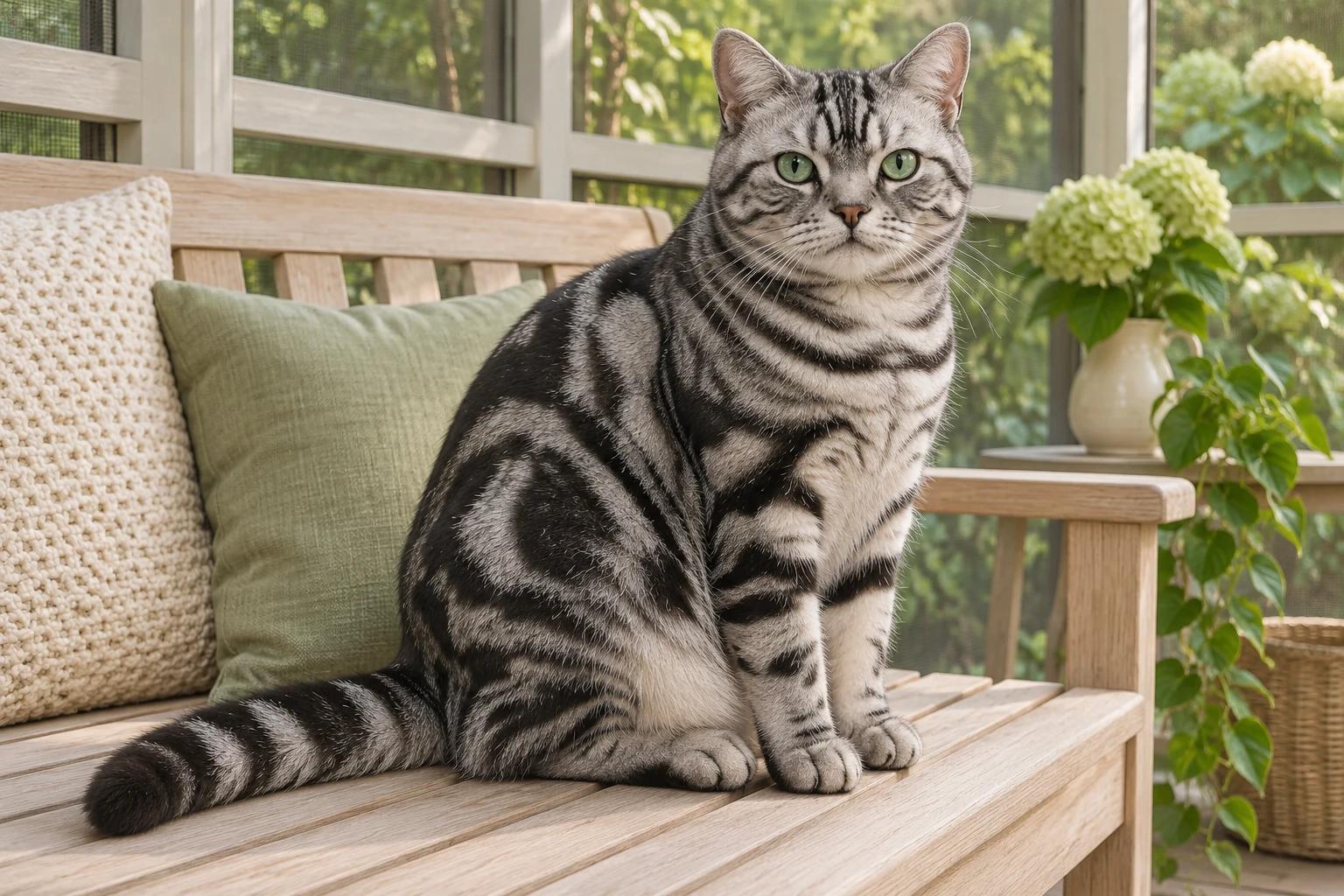
Adapting a German Rex’s games as its activity changes
Adapt your German Rex’s play opportunities when activity changes, starting with veterinary advice and observations rather than a harder exercise target.
Distinguish a new preference from an unexplained change
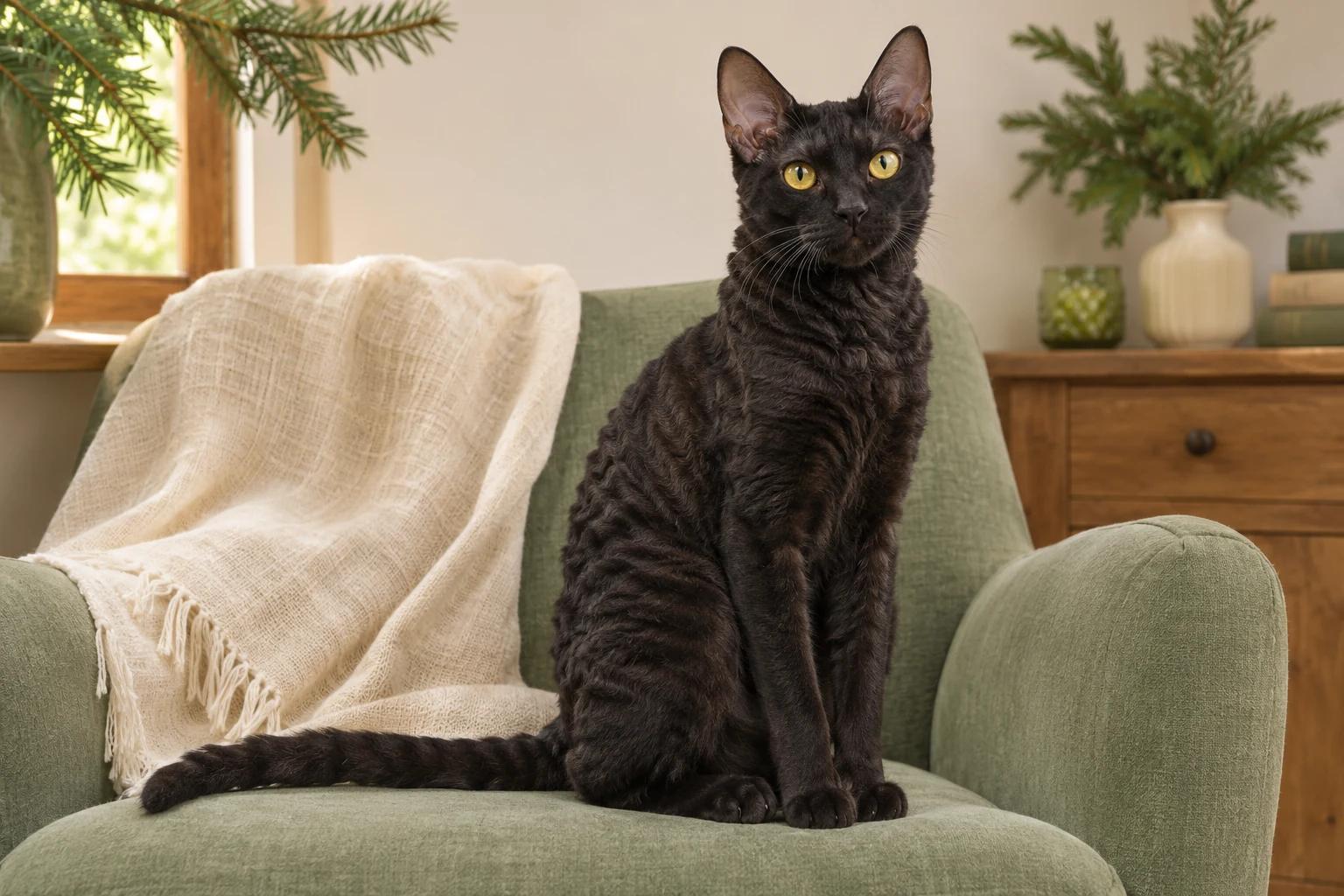
FIFe describes the German Rex as lively and playful. That is context for offering enjoyable opportunities, not a standard your cat must meet throughout life. If it stops using a familiar game or moves differently, start by describing the change. Do not assume it is merely getting lazy or needs a more exciting toy.
FelineVMA explains that pain can show through subtle behavioural and movement changes. Contact your vet about a new concern rather than treating increased activity as the first solution. Tell the team what the cat previously did and what differs now. A breed description cannot establish whether a change reflects preference, discomfort or another issue.
Ask what activity is appropriate now
If your cat is receiving veterinary care, ask which activities are suitable and whether any should be avoided. Keep that advice distinct from general enrichment suggestions. Do not repeat a jump the cat has stopped attempting to show that it can still do it. Existing videos or a plain description may explain the change without provoking it.
Write down the practical limits the vet gives and share them with everyone who plays with the cat. A well-meaning family member should not be setting a harder challenge while another is trying to follow a care plan. If an instruction is unclear, ask for a demonstration or example rather than interpreting gentle activity in several different ways.
Change the game’s setup before its intensity
Once you know what is suitable, look at the ordinary play area. Could the cat participate from a comfortable position? Is the toy accessible without a difficult approach? These are questions to explore within the professional advice you have, not a prescribed rehabilitation routine. The goal is an opportunity the cat can choose, not a task it has to complete.
Try one manageable adjustment at a time and record the response. For example, moving a familiar invitation to a quieter space gives you a clearer observation than replacing every toy and extending every session at once. Respect a decision to leave. A small amount of voluntary interest is information, not permission to keep increasing the demand.
Review comfort as well as participation
Notice what happens after play as well as during it, and report concerns according to the veterinary plan. Do not measure success only by distance covered or the number of pounces. Keep an agreed stopping point available, particularly when several people share care or a visitor offers a game without knowing the background.
A German Rex’s routine can change without losing opportunities for enjoyable interaction. Retain what the cat chooses comfortably, revise what is impractical and ask for a review when observations raise questions. This approach does not diagnose pain or promise that games will restore previous activity. It keeps play appropriate to the individual instead of asking the cat to live up to an energetic label.
Sources behind this article
Article source checked: October 22, 2026. Source checked 2026-10-22
Keep reading
How to build an indoor play rotation for a Bengal
Read article →