German pinscher training: build everyday skills
Plan German Pinscher training around clear cues, useful rewards, manageable departures, socialization, and professional support.
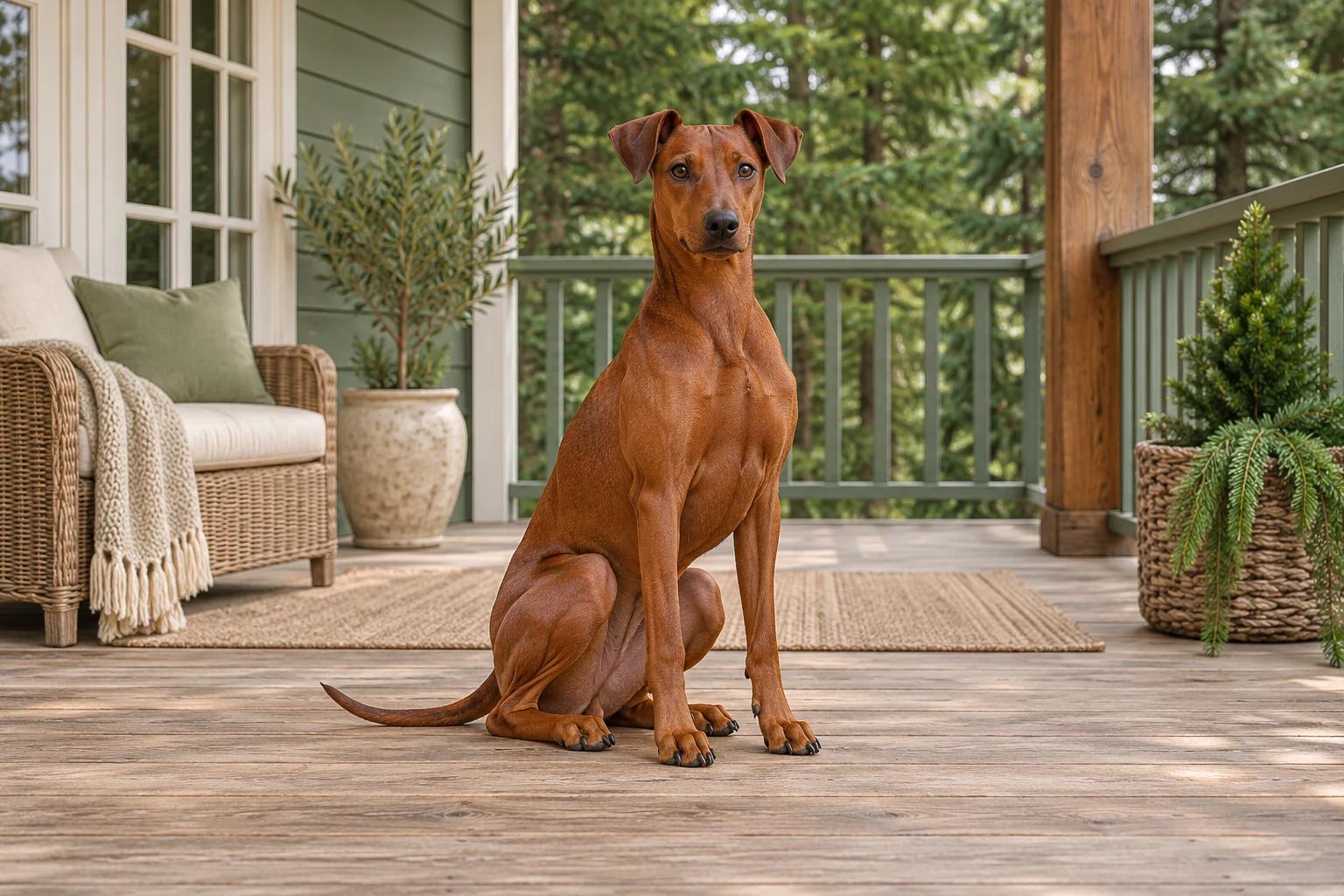
German pinscher training works best as a set of clear household conversations: this cue means this action, and this action leads to something worthwhile. Start with the moments that happen every day rather than a long list of impressive commands. A well-planned entrance routine or comfortable equipment fitting can make life easier long before you pursue a formal training goal.
German pinscher training starts with the setup
The AKC breed introduction describes an intelligent, energetic dog. That is a reason to prepare engaging teaching, not to expect the dog to understand your rules without practice. Write down three priorities for your home and make each one observable.
For example, replace “be polite” with “keep four feet on the floor while the lead is attached.” Replace “listen outside” with “turn toward the handler when the agreed cue is given in a quiet place.” Replace “stop bothering visitors” with a plan for where the dog can wait while a visitor enters.
These are example goals to discuss with a qualified reward-based trainer. They are not a promise that a particular dog will progress at a particular speed. If you are starting with an adult, find out which cues it already knows before renaming everything.
Build a reward menu, not a battle of wills
VCA's guide to reinforcement and rewards explains that useful rewards vary between dogs and situations, and that timing matters. Reward the behavior you intended to encourage rather than whatever happens several moments later. Use rewards without punishment-based teaching.
Your practical task is to prepare before beginning. Have the chosen reward accessible, know what counts as success, and choose a place where you can both concentrate. A German Pinscher cannot read your lesson plan while you search for a treat pouch or argue about which word to use.
Keep a note of what the dog actually values. If a toy works well in one session but creates too much excitement for a quiet handling exercise, discuss a different option with your trainer. Reward choice is part of teaching, not a moral judgment about the dog's willingness.
Teach the departure before the destination
For owners asking how to train a german pinscher, leaving home is a useful starting project because it involves several separate events. The dog sees equipment, approaches the door, waits while you manage a lock, and encounters the outside world. Do not treat that sequence as one indivisible skill.
Practice the easiest part away from the actual rush to leave. You might first work on standing comfortably while equipment is presented. Another session can address moving with you through a quiet indoor space. A trainer can help you combine the pieces without allowing an open door to become the training boundary.
Keep physical management in place while skills develop. A known cue is not a substitute for a secured entrance. The aim is a repeatable routine that makes departures clearer, not a dramatic demonstration of trust with avoidable consequences if the dog becomes distracted.
Make obedience relevant to your life
German pinscher obedience does not have to begin with a competition-style picture. Decide what communication would make your own week smoother. A turn toward you, moving onto a mat, or waiting briefly while you organize something may have immediate value.
Create a short training note after practice: location, goal, what went well, and what made it harder. Avoid labels such as defiant. “Did not turn when a dog appeared across the road” gives a trainer something to work with; “refused to respect me” does not describe the situation.
If an exercise succeeds at home but not outside, do not assume it is fully understood everywhere. Ask your trainer how to reduce difficulty and introduce changes in manageable steps. A new surface, handler, distance, or distraction can make the task different from the version you practiced.
Socialization is not a greeting quota
Plan german pinscher socialization around the places and experiences the dog will encounter, with veterinary guidance on appropriate exposure for a puppy. Make a list of relevant situations: the building entrance, a car journey, a person wearing work clothes, routine handling, or distant activity along your usual route.
The list is for planning, not for forcing every experience into one outing. Ask a qualified trainer how to recognize when to increase distance or end an introduction. The goal is not to make the dog interact with every stranger or animal you encounter.
For an adult, begin with what is already known. Ask the previous carer which environments are familiar and which are new. If there is a history of fear, aggression, or distress, seek an individualized professional plan rather than treating a busy class as the automatic answer.
Prepare for the alert moments
A practical training plan should include the events you cannot schedule perfectly: a knock, someone passing a window, or a visitor entering while your hands are full. Before practicing, decide where equipment and barriers belong and what another household member should do.
You might agree that one person handles the delivery while another guides the dog to an established resting area. That arrangement is a household example, not a universal treatment for barking. If the dog is distressed or difficult to manage, professional assessment comes before a more demanding rehearsal.
Keep the human instructions simple. A note beside the entrance can remind people which cue is in use and where rewards are stored. Consistency is easier when everyone can find the same information rather than relying on an explanation given once several weeks earlier.
Review progress with evidence
Choose one practical outcome to review with your trainer. Can the dog participate in the departure routine in the setting where you practiced it? Which part still needs support? Is the session length appropriate for this individual? Progress means more than accumulating command names.
The German Pinscher profile gives broader breed context. The existing color-history article addresses appearance rather than training, and the breed quiz can help prospective owners reflect on whether they enjoy this kind of ongoing involvement. Training is part of living together, not an item completed permanently at the end of a class.
FAQ
How long does German Pinscher training take?
There is no reliable breed-wide completion date. Skills depend on the individual, previous experience, environment, and teaching. Set small observable goals with a qualified trainer and review the circumstances in which the dog can use each skill.
Should I repeat a cue until the dog responds?
Repeated cues can make it harder to understand what is being taught. Review the setup and difficulty with your trainer instead of increasing volume. Make sure the dog has learned the task in the situation where you are asking for it.
Can an adult German Pinscher learn a new routine?
An adult can participate in training, but start by understanding its existing cues and experiences. Introduce household changes clearly and seek individualized help where there is distress or a concerning behavior history.
Sources behind this article
Article source checked: November 15, 2026. Source checked 2026-11-15
Keep reading

Affenpinscher Training: Build Useful Everyday Habits
Read article →