French spaniel training: skills for shared adventures
Build French Spaniel recall, lead walking, retrieving games, and settling skills through manageable reward-based practice.
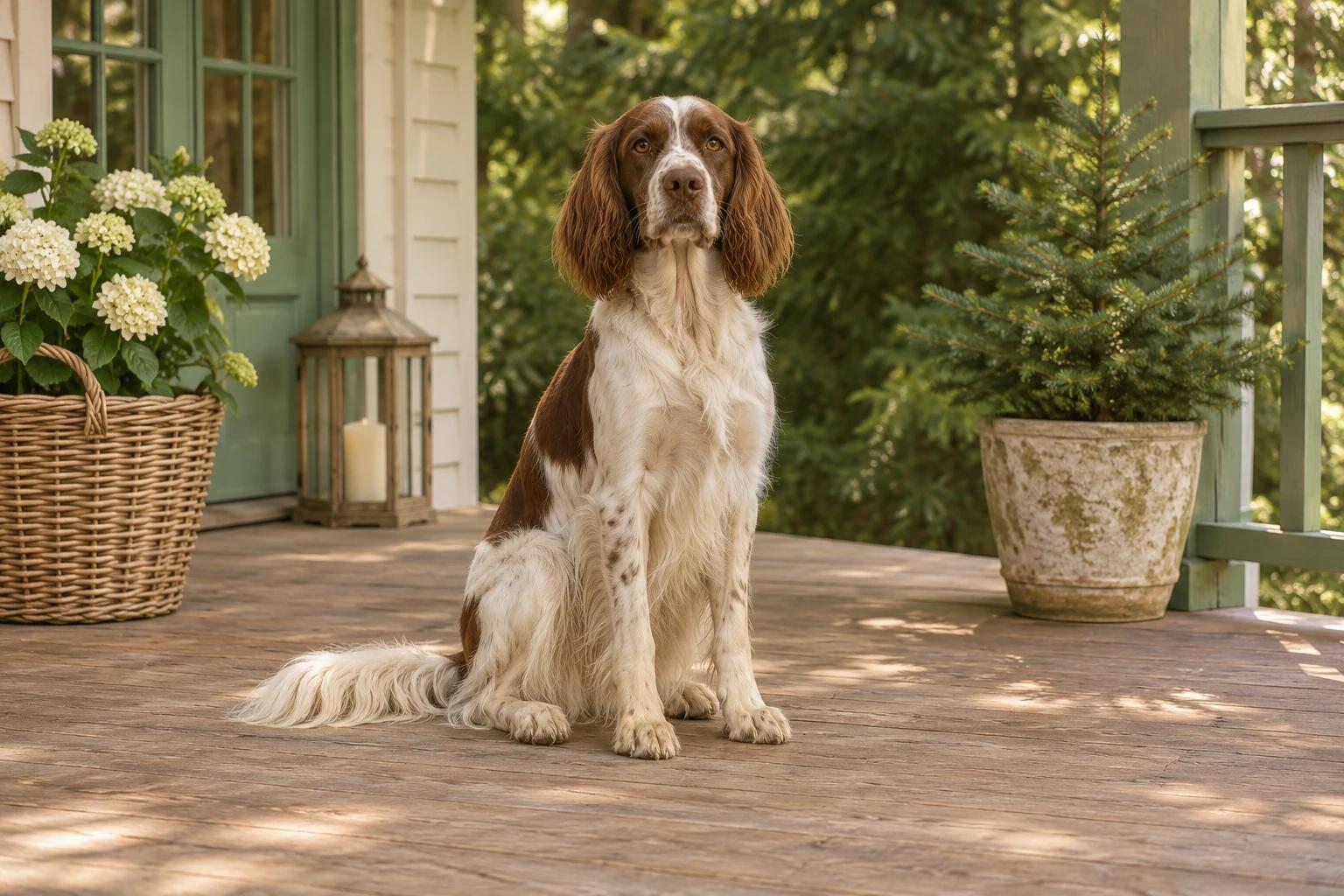
French spaniel training should connect the dog's interest in exploring with useful communication, not treat outdoor curiosity as an obstacle to eliminate. Start with skills that make your shared routine manageable: returning to you, moving comfortably on a lead, exchanging an object, and resting between activities. Build those skills in settings where success is possible before expecting them to work around the most interesting distractions.
French spaniel training: use the working background thoughtfully
The AKC breed introduction describes pointing and retrieving aptitude. That is useful context when choosing games, but it is not a certificate of finished training. A French Spaniel still needs to learn your cues, the setting, and what earns a reward.
The American Veterinary Society of Animal Behavior recommends reward-based methods for dog training. Choose an instructor who can explain how the dog will succeed and what will change if a lesson is too difficult. Ask about methods before booking, not after arriving at a session with equipment you did not expect.
Use the French Spaniel profile for general context, then make a short list of your real goals. Walking along your usual path without a constant struggle is a useful goal. Being perfectly obedient everywhere is too vague to teach or measure.
Begin recall where coming back is easy
A dog interested in a scent or distant bird is facing a different task from a dog beside you in a quiet room. Do not make the hardest version your starting test. Work with a qualified trainer on recall in secure settings and on suitable management while the skill develops.
One illustrative starting exercise is to invite a nearby dog toward you, reward the approach, and let the moment end pleasantly. Keep distance and distractions modest. As the dog understands, your trainer can help you increase one challenge at a time rather than moving directly from the kitchen to open country.
Ask yourself what the dog learns after arriving. If returning always ends every enjoyable activity, discuss that pattern with your trainer. The goal is a clear, worthwhile response, not a competition between your voice and everything the landscape offers. Continue using secure arrangements and comply with local restrictions while you practice.
Build a walking conversation instead of constant corrections
For french spaniel obedience on walks, identify one moment that currently goes wrong. Perhaps the dog rushes toward an interesting verge or loses contact when leaving the car. Describe the moment precisely so you can change the setup before it becomes a prolonged pulling contest.
A practical lesson might begin well away from the busy trail entrance. Reward a few manageable steps together, pause, and decide whether the surroundings are still suitable. If not, move to an easier location rather than repeating a cue more loudly. Ask your trainer to demonstrate leash handling and reward timing with your actual equipment.
Allow the walk to contain different jobs. Some stretches may involve moving with you through a constrained space; others can allow appropriate exploration. Agree on the signals you will use so the dog is not expected to guess when the rules change. This is planning guidance, not a promise that one cue will solve every walking difficulty.
Separate the parts of retrieving
An interest in picking something up does not automatically include returning it and releasing it. If you want a toy-retrieving game, consider collection, return, and exchange as separate skills. Practice with suitable objects in a secure, uncluttered setting and get help if the dog guards an item or the interaction becomes tense.
You might start with an easy exchange rather than throwing the object farther. Keep a second appropriate reward ready and make the task understandable. Avoid chasing the dog around the room to retrieve the toy yourself; that can turn the activity into a different game from the one you intended.
If you are interested in field work, find an appropriately qualified reward-based instructor who understands pointing dogs. Discuss the activity, location, and your dog's readiness before taking part. Household retrieving games are useful shared activities, but they do not substitute for specialized instruction or relevant legal and safety requirements.
Teach the pauses as well as the action
An active routine includes transitions. You may want the dog to wait while equipment is organized, settle near you after an outing, or remain comfortable while you speak with another person. Choose one of these moments and teach it in an easy version before expecting it at a busy venue.
A portable mat can be a clear place to begin. Reward approaching or resting on it as appropriate to the dog's current skill, then keep the first task modest. A trainer can help you add duration without turning the mat into a place where the dog is trapped through increasingly difficult distractions.
Keep activity and rest expectations realistic. If the dog seems unable to relax, do not automatically add more exertion or assume it is failing the lesson. Review the setting and routine with a professional, and speak with your veterinarian about sudden behavioral changes or concerns about comfort.
Socialization should prepare the dog for your real life
French spaniel socialization can include observing different environments, meeting suitable people, and learning about ordinary handling. It should not become a contest to collect the largest number of greetings. Ask your veterinarian and trainer to plan age-appropriate experiences, particularly for a puppy.
Choose situations you can leave easily and make them manageable. If your future routine includes travel to rural paths, quiet practice around parked equipment may be more useful than an overwhelming visit to a crowded event. Watch the individual rather than assuming that a sociable breed description guarantees comfort.
When researching how to train a french spaniel, look for explanations rather than impressive before-and-after clips. Ask a trainer to show the small steps and the fallback plan. Our article on French Spaniel markings addresses appearance separately; neither markings nor a striking portrait predicts learning. The breed quiz can help prospective owners consider whether they enjoy the ongoing teaching part of ownership.
FAQ
Does a French Spaniel learn recall automatically?
No. A pointing and retrieving background does not teach your particular recall cue. Practice progressively with qualified guidance and maintain secure management instead of testing an unfinished skill around wildlife.
What training should a companion French Spaniel learn?
Prioritize returning to you, manageable lead walking, comfortable handling, object exchanges, and resting between activities. Adjust the order to the situations your household encounters most often.
Must I train my French Spaniel for hunting?
Hunting is not a requirement for every owner. You still need suitable activities and learning opportunities for the individual. Discuss appropriate companion games or sports with qualified professionals rather than assuming that heritage dictates one lifestyle.
Sources behind this article
Article source checked: November 15, 2026. Source checked 2026-11-15
Keep reading

Affenpinscher Training: Build Useful Everyday Habits
Read article →