French bulldog training: useful skills for home
Teach everyday French Bulldog skills with clear cues, suitable rewards, manageable practice, and thoughtful socialization.
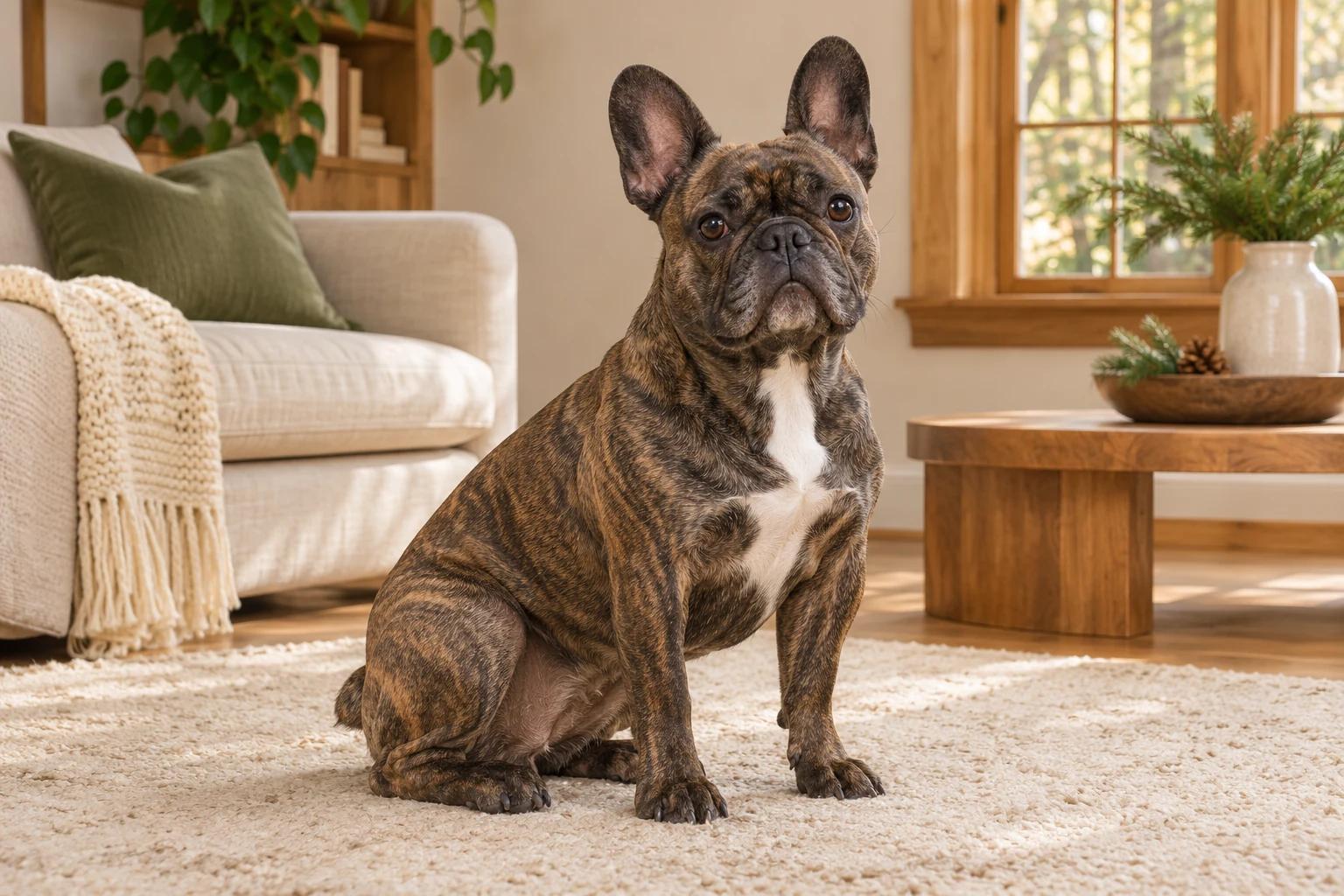
French bulldog training can begin with the moments that happen every day: putting on equipment, waiting while you open a door, coming away from an interesting object, and settling nearby. These skills matter more than a long list of tricks nobody uses. Choose a small number of clear goals, arrange easy practice opportunities, and judge progress by what the dog understands rather than by its reputation for being stubborn.
French bulldog training: make the task worth doing
VCA's French Bulldog guide favors reward-based training with food or games. The AKC breed introduction describes a playful, alert companion. Together, those points suggest a useful starting question: what does this particular dog enjoy enough to participate willingly?
Prepare rewards before asking for a behavior. If you are searching a cupboard after the dog has already done the right thing, the lesson becomes less clear. Ask your veterinarian how food rewards fit the dog's overall diet, and explore appropriate play rewards with your trainer. A reward should suit the individual, not merely be convenient for the person holding it.
Choose a quiet space with secure footing. You do not need an elaborate training room, but you do need to remove avoidable complications. A rolling toy under a chair, another animal waiting for the same reward, or a person calling from the kitchen can turn a simple task into several competing requests.
Teach the equipment routine before the outing
A Frenchie's compact size can tempt you to pick it up when you are in a hurry. That does not make lifting comfortable or appropriate for every dog or handler, and it should not replace teaching the preparation routine. Decide where you want the dog to stand while you collect equipment, then practice that small routine when there is no deadline to leave.
An illustrative exercise is to reward the dog for approaching a designated mat, then briefly show the harness and put it away. Work with a qualified reward-based trainer on comfortable participation in fitting it. The objective is not to trap the dog on the mat; it is to make the preparation understandable and predictable.
If the dog avoids a particular item, inspect the fit and ask for professional help before treating the response as disobedience. A lesson about cooperation should not require the dog to tolerate discomfort. Keep the training question separate from any physical problem that your veterinary team needs to assess.
Give household words one meaning
For french bulldog obedience, consistency is often less glamorous than a new technique and more useful. Agree what your cues mean. If come sometimes means move toward me and sometimes means stop touching that, the dog receives an unnecessarily complicated assignment.
Pick one behavior to practice in one easy setting. You might reward moving onto a mat beside your chair, then release the dog before asking for a longer stay there. Do not combine distance, duration, and exciting distractions all at once. A trainer can help you decide which part to increase and when.
Write the agreed cue and response where other carers can see it. Include how you reward success and what you do when the setup is too difficult. That brief note prevents one person from calmly teaching a behavior while another repeats the cue loudly and expects a finished result.
Make toileting a shared household responsibility
When people ask how to train a french bulldog, they often need help with routine rather than performance. Create a clear handoff for toilet opportunities: who takes the dog, where they go, and how the next person knows what happened. A simple record is useful when several people assume somebody else has already handled it.
Ask your veterinarian and trainer about a schedule appropriate to the dog's age and circumstances. Do not choose a universal holding-time formula from breed size. For a puppy or newly arrived adult, learning the household's routine is a separate process from knowing what a toilet area is.
Keep cleanup neutral and focus on arranging the next opportunity. If toileting changes unexpectedly or seems uncomfortable, speak to your veterinarian instead of extending the training session or attributing the change to attitude. The practical aim is to understand the pattern, not to win an argument about intent.
Socialization is not a greeting quota
French bulldog socialization should be planned around manageable experiences. A dog does not have to meet every person who notices its bat ears. You can choose a quieter observation spot, let a visitor ignore the dog initially, or leave an interaction before it becomes too much.
Discuss a puppy's safe exposure plan with your veterinarian and a qualified trainer. For an adult dog, start with what its current carer already knows: familiar situations, difficult ones, and what helps. Do not assume that a sociable breed description makes a crowded class or busy gathering suitable on the first attempt.
Keep notes in concrete language. Instead of writing dislikes people, record that the dog moved away when a visitor leaned over it. The second description gives you something useful to change. It also helps a professional distinguish a setup problem from a concern requiring a more individual plan.
Keep learning separate from exhausting the dog
You can teach useful behaviors without demanding prolonged physical activity. A session might involve a few easy repetitions near your chair, followed by a break. Stop before you feel compelled to keep going simply because you set aside more time. Ask your veterinarian about suitable activity and comfort for your individual French Bulldog.
For outdoor logistics, our separate city-days and summer-planning article covers a different part of ownership. Here, the priority is whether the dog understands and can comfortably perform the task you are teaching.
Use the French Bulldog profile for broader breed context and the breed quiz if you are still considering your match. Bring a short list of real household goals to a trainer rather than asking for a generally obedient dog. Specific goals make it easier to notice improvement and decide what to practice next.
FAQ
Are French Bulldogs too stubborn to train?
A label does not explain why a particular task is failing. Check the reward, environment, cue, and physical comfort, then ask a qualified reward-based trainer to help adjust the lesson.
What should I teach first?
Start with useful, achievable household skills such as approaching you, participating in equipment fitting, and moving to a designated resting place. Choose the order according to what your daily routine requires.
Does socialization mean letting everyone pet my Frenchie?
No. You can arrange manageable experiences without requiring physical greetings. Allow space, observe the dog's response, and seek professional help when a situation repeatedly causes difficulty.
Sources behind this article
Article source checked: November 15, 2026. Source checked 2026-11-15
Keep reading

Affenpinscher Training: Build Useful Everyday Habits
Read article →