Estrela Mountain Dog Training: Everyday Priorities
Plan Estrela Mountain Dog training around doors, leash handling, recall, visitors and cooperative care, with clear steps and realistic progress checks.
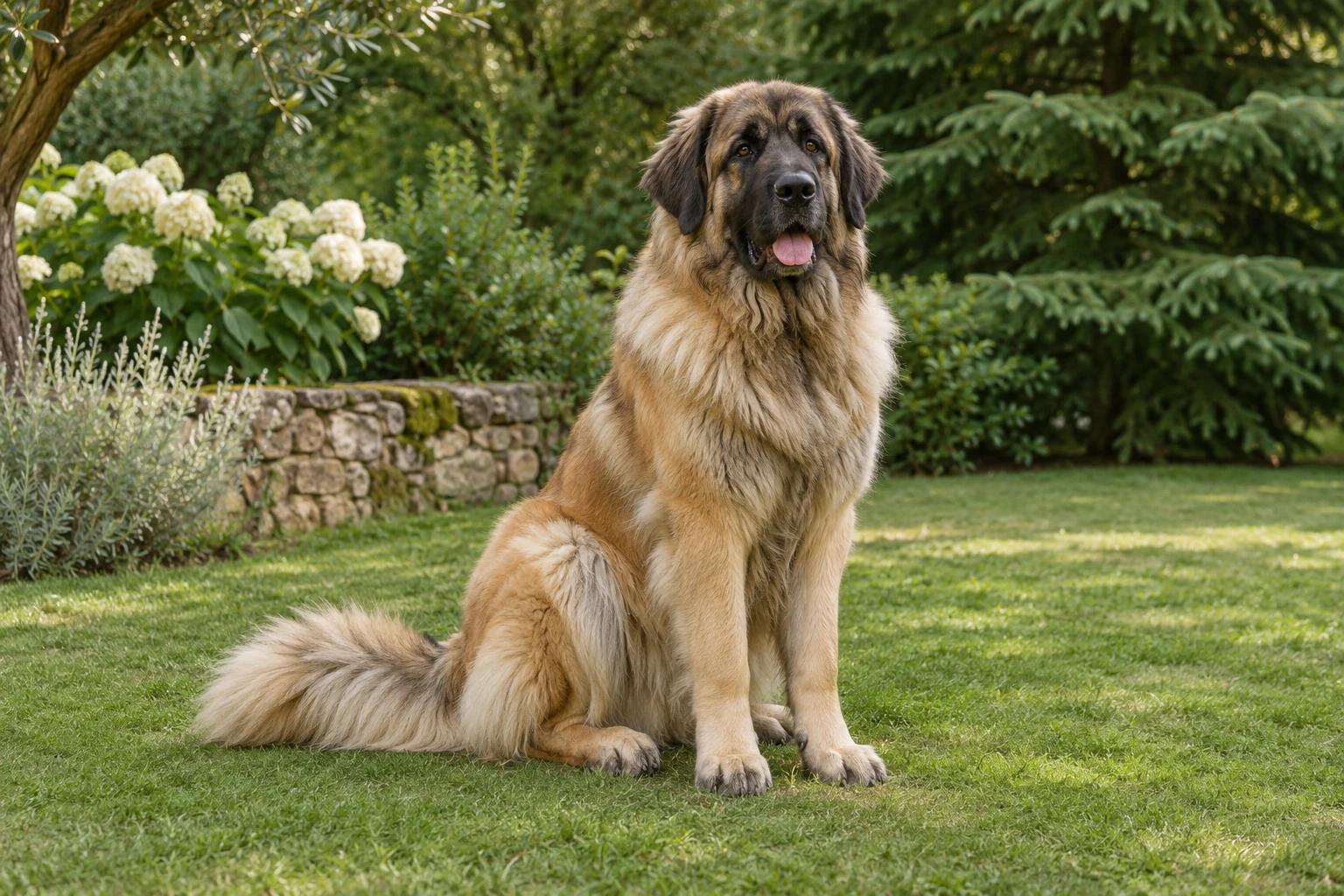
Estrela Mountain Dog training should make the moments that matter easier to handle: opening the front door, moving past another dog, returning from the garden and accepting routine care. A long list of tricks is optional. A shared system for those everyday situations is not. Start with the environment and a few clear responses, then build difficulty gradually instead of testing a young dog's skills in the busiest place available.
The Estrela Mountain Dog profile gives useful context for size and household planning. Training turns that context into practical arrangements that you can repeat when your hands are full or your schedule changes.
Estrela Mountain Dog training starts with access
The AKC identifies early training and socialization as important for the breed. The FCI describes its guardian role and attachment to its keeper. For a companion household, the practical implication is to teach what you want around people and boundaries rather than leaving the dog to improvise.
Before asking for a sit at the door, decide how the door will remain controlled if the sit does not happen. Use a suitable barrier or another secure arrangement, and practice without a real visitor waiting outside. Training and management serve different purposes: practice develops a skill, while the physical setup prevents a failed repetition from becoming a serious problem.
Write down a short list of cues everyone will use. Choose one word for coming toward the handler, one for moving to a resting place, and one release word. Avoid having several family members repeat different commands over each other. The goal is a signal the dog can recognize, not a contest over who sounds most authoritative.
Teach the doorway in separate pieces
Begin away from the entrance with a resting mat or clearly defined place. Reward approaching it, then standing or lying there. Add your movement only after the dog understands where to go. Walking one step away is a different challenge from opening the door, so do not introduce both at once.
Next, practice small parts of the arrival sequence: touching the handle, moving the door slightly, then opening it while another household member remains outside. Keep the dog securely separated from the opening. If it leaves the place, simplify the exercise rather than repeating the cue while the scene becomes busier.
Only later should an invited helper become part of the practice. Tell the helper what to do before they arrive. Standing still and ignoring the dog can be more useful than calling its name or reaching forward. A successful session might involve no greeting at all: the visitor enters and the dog remains comfortably separate.
Leash skills for a substantial adult
The breed's listed adult weight range makes early handling habits particularly relevant. Do not wait until pulling becomes physically difficult to practice turning, pausing and walking together. Start where there is enough space to change direction without crossing someone else's path.
Reward the position you want near your side. Release the dog to investigate suitable areas so walking is not one continuous demand for formal attention. Practice an easy turn toward you before you need it beside a narrow gate or an approaching dog. Choose equipment that fits the individual, with qualified help if you are uncertain.
Keep a simple record of the context. Walking well in a quiet garden and struggling on a busy pavement are not contradictory results; they show where practice is established. Adjust the route or distance from distractions before deciding the dog is deliberately refusing. Safe handling comes before completing a particular route.
Recall is an exercise, not a boundary system
When learning how to train an Estrela Mountain Dog, prioritize returning from manageable distances in a secure setting. Give the cue when you can make the exercise straightforward, reward the approach, and sometimes allow the dog to return to its previous activity. Coming to you need not always mean the interesting part of the outing has ended.
Do not use repeated unanswered calls as the main training method. Reduce distance, reduce distraction, or return to an easier place. A suitably managed long line can provide an additional option in appropriate spaces, but it requires attention to entanglement and handling; obtain practical instruction if you have not used one before.
A recall cue does not replace a secure boundary. Avoid testing it around livestock, traffic or unfamiliar dogs to see whether it works. The consequences of failure are too different from an ordinary practice session. Build a useful response without treating it as permission to remove every other safeguard.
Socialization means useful experiences
Estrela Mountain Dog socialization should be planned around the life the dog will actually lead. Think about the people who enter your home, the surfaces on your walking route, the vehicle used for travel and the person who may help with care. An experience list is more useful when it includes context, not just a tally of people met.
For example, observing a person carrying a large bag at a comfortable distance can be a complete session. The dog does not have to approach the bag or accept petting. Finish while the situation is manageable, and give yourself permission to leave a crowded location instead of insisting on participation.
Discuss age-appropriate outings with your veterinarian. If your dog shows sustained fear, lunging or difficulty recovering, seek qualified reward-based behavior support rather than trying to fix the problem through more intense exposure. Early help can clarify the setup and goals without turning every walk into a test.
Make care and handovers trainable
Estrela Mountain Dog obedience has everyday value when it includes standing for a brief look at a paw, stepping onto a mat and moving with another familiar adult. Break handling into small pieces. Introduce the grooming tool separately from a complete grooming session, and give the dog opportunities to pause.
Ask each caregiver to practice the same easy routines. Leave a written note covering cues, equipment, resting places and visitor arrangements. A substitute handler should not have to discover the dog's habits during a delivery or a busy departure.
Review progress by asking whether a specific situation has become easier. Can you open an internal gate with less confusion? Can the dog return from a short distance? Use the breed quiz to revisit your household commitments, and read the Estrela's seasonal pasture story for background rather than a modern training prescription.
FAQ
Is an Estrela Mountain Dog easy to train?
An Estrela Mountain Dog's progress depends on the individual, the task and the practice environment. Clear rewards, consistent cues and manageable distractions are more useful planning tools than an easy-or-difficult label.
What should an Estrela learn first?
Prioritize responding to its handler, moving through doors under control, returning in secure settings and resting away from visitor traffic. These skills support daily life with a large Estrela before more elaborate obedience exercises.
Should socialization include greeting every person?
No. Estrela Mountain Dog socialization can include calmly observing people without direct contact. Choose manageable experiences and allow space. If the dog is struggling, change the setup and seek qualified help rather than forcing a greeting.
Sources behind this article
Article source checked: November 15, 2026. Source checked 2026-11-15
Keep reading

Affenpinscher Training: Build Useful Everyday Habits
Read article →