English Foxhound Training: Attention Around Scents
Make English Foxhound training practical with manageable distractions, secure outdoor practice, lead skills and clear household cues.
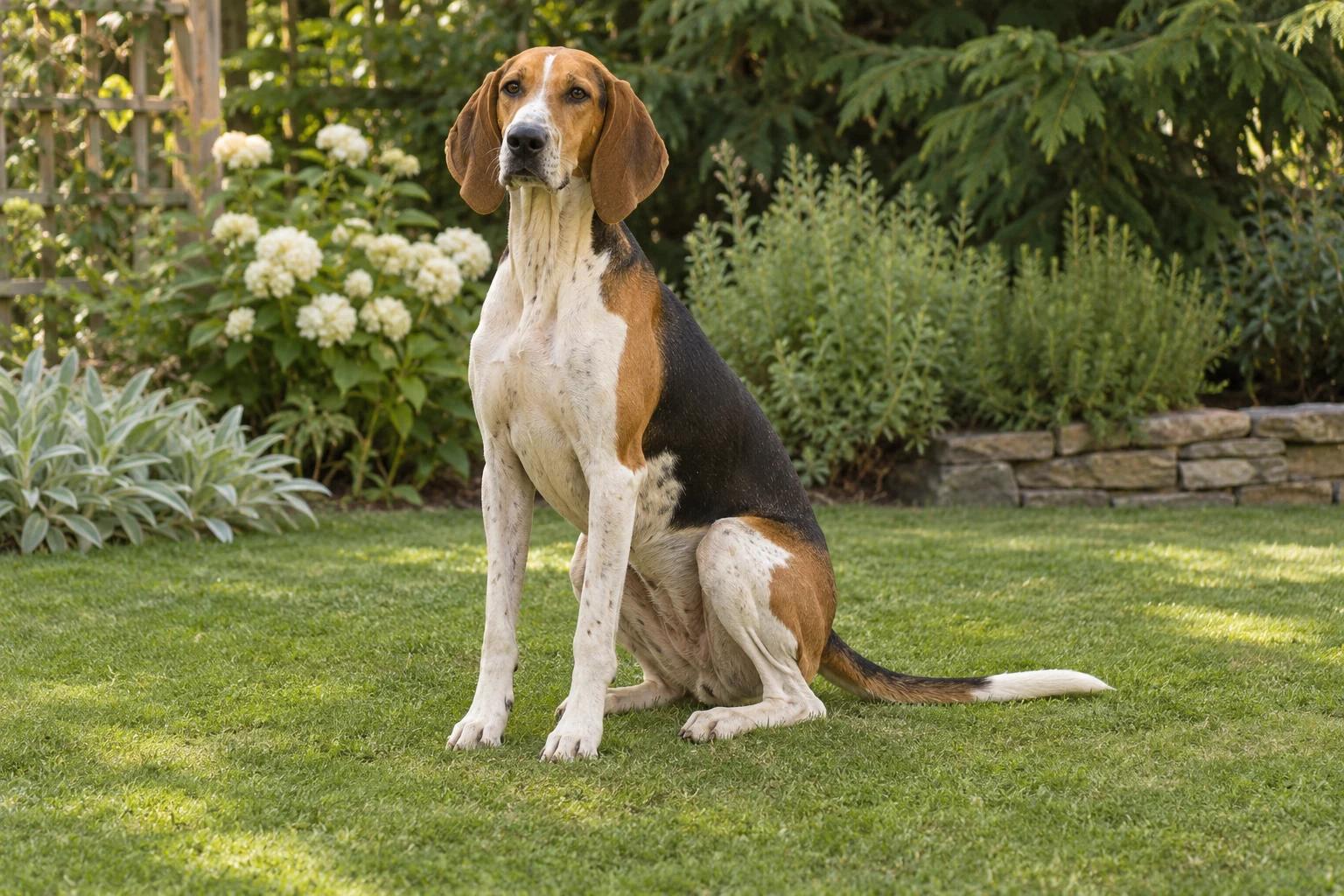
English Foxhound training should prepare a hound to cooperate while the world remains interesting. The aim is not to remove its interest in scents or turn every walk into a rigid drill. It is to teach useful responses in manageable settings, keep secure control where necessary, and give both dog and handler a clear way to move through everyday situations.
The FCI identifies the English Foxhound as a hunting pack hound. That background makes outdoor attention especially worth planning for. Start with the English Foxhound profile, then build a training list around the places where you will actually live and walk together.
English Foxhound training needs a map of distractions
Before selecting exercises, walk your intended route without the dog and note the difficult points. A narrow pavement beside a hedge, a gate where other dogs gather and a busy road crossing are different challenges. Identify somewhere quieter where you could step aside, turn back or practice an easier task.
This turns “the hound never listens outside” into a more useful question: where can the hound respond, and what changes at the point where it cannot? Your first training location should not be the hardest place on the map. Keep appropriate lead or enclosure management throughout, so an unsuccessful repetition does not become an escape.
If you are learning how to train an English Foxhound, begin by noticing voluntary attention. Reward a turn toward you when the situation is easy enough for the dog to succeed. Use a consistent cue for an action you have taught rather than repeating its name as a general commentary on everything it does.
Change one part of the challenge
AKC's three-D framework separates duration, distance and distraction. A task becomes harder when the dog must maintain it longer, do it farther from you or work around more competing activity. Practice those changes separately instead of increasing all of them at once.
For example, a brief pause while you stand beside your hound is not the same lesson as waiting while you walk away and another dog passes. Decide which piece matters today. If you are introducing a little handler movement, keep the wait brief and the surroundings quiet. If you are practicing near mild activity, stay close and ask for something easy.
Keep a simple note after each session: place, task, difficulty and what you will change next time. “Could pause beside the closed garden gate” is a useful record. “Was naughty” is not. Review the setup before assuming a failure reflects the dog's willingness to cooperate.
Give lead walking a practical purpose
English Foxhound obedience should include moving through restricted spaces without a contest of strength. Practice a short stretch of walking together in an uncluttered place, reward the position you want, and clearly end the exercise before offering an exploration break. Make the difference between the two activities understandable.
Your real goal may be crossing a car park, reaching an exercise area or passing a narrow entrance. Choose those short functional tasks before expecting an entire outing at one precise position. An enjoyable sniffing section and a controlled passage can belong on the same walk.
If you cannot safely hold or direct the dog, get help with equipment fit and a reward-based training plan before repeating the difficult route. Equipment is not a substitute for teaching, but neither is an unfinished training plan a substitute for physical management. Do not ask children or an unprepared visitor to test whether the dog is manageable.
Rehearse the return without risking the result
Use a securely enclosed space or suitable lead arrangement for return practice. Start close, use the chosen cue once when success is likely, and reward the approach. Include a calm moment of handling the lead or harness so that reaching you has a clear, comfortable ending.
Avoid making every successful return mean that all interesting activity stops. Where safe and appropriate, let the dog resume exploration after the reward. Plan the session so you can do this without giving access to wildlife, roads or another dog's space. The training purpose is a reliable routine, not a dramatic long-distance demonstration.
Do not use wildlife as an improvised distraction test. If the environment has become too difficult, use your management plan and move away. Work on the missing step later in a controlled setting. An outdoor success should increase your understanding of the dog, not your willingness to take an unnecessary risk.
Socialization includes passing without joining
English Foxhound socialization is not a requirement to greet every dog in sight. Practice being near suitable activity without always participating. Ask for a simple familiar response at a comfortable distance, then leave while the experience is still manageable. Let a qualified trainer help if the dog becomes persistently distressed or reactive.
Discuss appropriate puppy outings with a veterinarian. For an adult with limited home experience, introduce household events separately: a visitor arriving, a delivery at the entrance or a car journey. Do not assume that experience among hounds means familiarity with domestic routines.
Make rest part of the arrangement too. Choose a quiet resting place and recognize relaxed behavior there. A hound should not need to produce an exciting performance to receive attention every time. Household members can agree on when play begins and ends so that the dog is not receiving conflicting invitations all evening.
Select help that understands your actual goal
Tell a prospective trainer exactly where you need support: lead handling around scents, responding near other dogs, or managing noisy arrivals. Ask how they make a task easier when a dog struggles. Look for clear, reward-based teaching rather than promises to remove a hound's instincts through stronger corrections.
Our breed match quiz can help you consider the time available for practice. The article on English Foxhound hunt prefixes and entry years explains records, but paperwork does not establish which household skills an individual has learned. Ask the current carer to demonstrate cues and describe the setting where they work.
Sources and further reading
- FCI English Foxhound standard, checked 2026-11-15.
- AKC: The Three Ds of Dog Training, checked 2026-11-15.
FAQ
Can English Foxhounds learn obedience?
English Foxhounds can learn useful household and outdoor skills. Define success as a specific response in a specific setting, then build from there with rewards and manageable distractions. A hunting background makes secure management important while outdoor skills are developing.
Why does my English Foxhound ignore a familiar cue?
The task may be harder because of distance, duration or competing activity. Return to a setting where the response is successful, then change one element at a time. If a behavior changes suddenly or seems associated with discomfort, consult a veterinarian rather than treating it as a training contest.
When should an English Foxhound practice off lead?
Choose secure enclosed settings for practice rather than using unfenced space as a test. Roads, wildlife and other animals can create consequences beyond a missed cue. A qualified trainer can help assess skills and management, but no breed label guarantees off-lead reliability.
Sources behind this article
Article source checked: November 15, 2026. Source checked 2026-11-15
Keep reading

Affenpinscher Training: Build Useful Everyday Habits
Read article →