Dutch Shepherd training: clarity before complexity
Build a practical Dutch Shepherd training plan around clear rewards, everyday skills, thoughtful socialization and realistic progress.
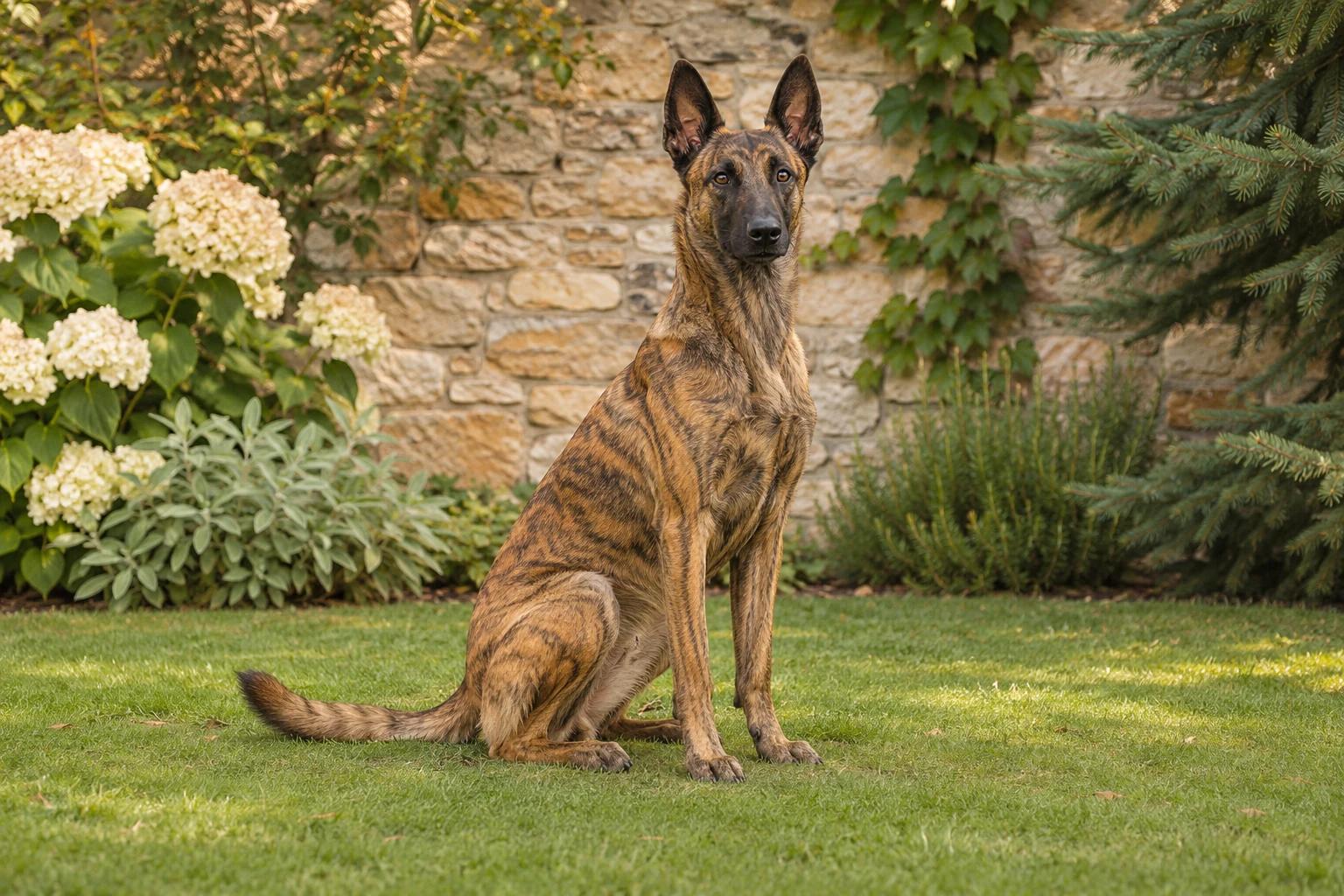
Dutch Shepherd training should make ordinary life easier before it makes a performance impressive. A dog that can wait while a door opens, disengage from a distraction and rest while you work has learned skills you will use repeatedly. Athletic tricks and polished sequences are optional; clear communication is not.
The Dutch Shepherd profile highlights substantial activity and mental-engagement needs. Plan to teach as well as exercise. Training is part of the relationship, not a short course that permanently finishes the job.
Dutch Shepherd training starts with a specific outcome
The FCI standard describes an active, watchful dog that can cooperate with its owner while working independently. The AKC introduction likewise notes athleticism, intelligence and independence. These descriptions suggest why vague requests are unhelpful: there may be several interesting things the dog could choose to do.
Replace “behave at the door” with an observable goal such as standing on a designated mat while you touch the handle. Replace “stop being distracted” with turning toward you when you give a familiar cue. You can teach and reward an action much more clearly than a general intention.
If you are learning how to train a dutch shepherd, choose one immediate household problem and define the smallest useful success. Keep the first version easy enough that you can recognize progress without escalating your voice or repeating the cue.
Make your reward signal precise
The AKC guide to mark-and-reward training explains that a clicker or distinctive word identifies the moment being rewarded. First associate the signal with a reward; during teaching, follow each marker with something the dog values. Timing helps distinguish the intended action from whatever happens next.
For example, if your goal is a calm pause near your chair, notice that pause rather than waiting until the dog jumps up to obtain attention. A marker is not a louder command, and clicking repeatedly does not explain a new task. It is a way to communicate which action worked.
Practice your own mechanics without the dog when necessary. Can you hold the lead comfortably, deliver the reward where intended and avoid dropping everything? Good handling is partly a human skill. Making your setup simpler often helps more than purchasing additional equipment.
Build a small household curriculum
A useful dutch shepherd obedience plan can begin with four situations: leaving the house, moving past distractions, settling during human activity and cooperating with routine care. These are suggested planning categories, not a fixed developmental timetable.
For leaving the house, practice the sequence away from a real departure: approach the waiting spot, pause, touch the handle and return. Do not open an unsecured route to the street as a test. Use barriers and a lead arrangement that keep mistakes contained.
For moving together, begin somewhere uninteresting and reward a few comfortable steps near you. Choose a consistent side if that helps your handling. When the environment becomes harder, shorten the task rather than demanding the same performance you saw indoors.
For routine care, identify one small action the dog can comfortably accept, such as standing briefly while you touch a shoulder. Stop before turning practice into a prolonged restraint session. Ask your veterinarian or a qualified professional for guidance if handling causes fear, pain or conflict.
Teach the end of activity as well as the start
A training session needs a clear finish. Put away the toys or food, change your own behavior and provide an appropriate quiet space. Otherwise every movement you make may look like the beginning of another round.
Consider a home-working example. You finish a short practice, offer a suitable resting arrangement and sit at your desk. If the dog struggles, examine the setup: was the preceding activity too exciting, is the resting place beside a busy window, or have you only practiced quiet time when you were also sitting on the floor?
Adjust one factor at a time so that you can tell what helps. Rest is not merely the absence of physical exercise. A household can support it by reducing unnecessary interruptions and making predictable quiet periods part of the day.
Socialization is not a greeting quota
Dutch shepherd socialization should help the dog encounter ordinary life without making every person, bicycle or dog an invitation to interact. Choose manageable settings and allow enough distance for the dog to observe while remaining comfortable.
A quiet place at the edge of a park can be more useful than a crowded route through the center. You might watch a cyclist pass at a distance, reward attention returning to you and leave before the situation becomes difficult. That is a meaningful session even if nobody pets the dog.
For puppies, discuss appropriate outings and disease-risk precautions with your veterinarian. For an adult with limited experience, begin with what it can manage now rather than trying to recreate a puppy checklist. Persistent fear, lunging or difficulty recovering calls for qualified reward-based support, not forced exposure.
Keep records that change your next session
Write down the task, location and one observation after practice. “Waited while I touched the handle in the kitchen, but moved when I turned it” tells you where to begin next time. “Bad at waiting” does not.
When progress stalls, ask three questions. Was the request already learned? Was the environment substantially harder? Did the dog have a realistic chance to succeed in its current state? This review keeps independence from becoming a convenient explanation for every training problem.
Choose an instructor who can explain their methods, adapt exercises to the dog and show how lessons transfer home. Be cautious about guaranteed outcomes or programs that treat physical confrontation as proof of leadership. You need help building usable skills, not a contest of wills.
Our existing article on Dutch Shepherd coat appearances addresses a separate breed question. For ownership planning, the breed match quiz can help you check whether ongoing teaching is something you want in daily life, not merely something you hope to complete quickly.
FAQ
Does a Dutch Shepherd need advanced sport training?
Not every Dutch Shepherd needs the same sport or competitive goal. It does need an appropriate plan for activity, learning and household skills. Discuss suitable options with people who know the individual dog rather than copying a demanding online routine.
Is a clicker essential for training?
No. A distinctive marker word can also identify a rewarded moment. What matters is that the dog understands the signal and that your timing and follow-through are clear. A marker is a communication tool, not a substitute for teaching.
What should I do when training works at home but not outside?
Make the task easier and choose a less distracting setting. A skill practiced in one room may need gradual practice elsewhere. Maintain secure handling and seek qualified help if the difficulty involves fear, aggression or behavior you cannot safely manage.
Sources behind this article
- American Kennel Club: Dutch Shepherd ↗
- FCI: Dutch Shepherd standard ↗
- American Kennel Club: Clicker training and communication ↗
Article source checked: November 15, 2026. Source checked 2026-11-15
Keep reading

Affenpinscher Training: Build Useful Everyday Habits
Read article →