Drentsche Patrijshond size: a practical fit guide
Understand Drentsche Patrijshond size through adult measurements, equipment fit, travel space and realistic home planning.
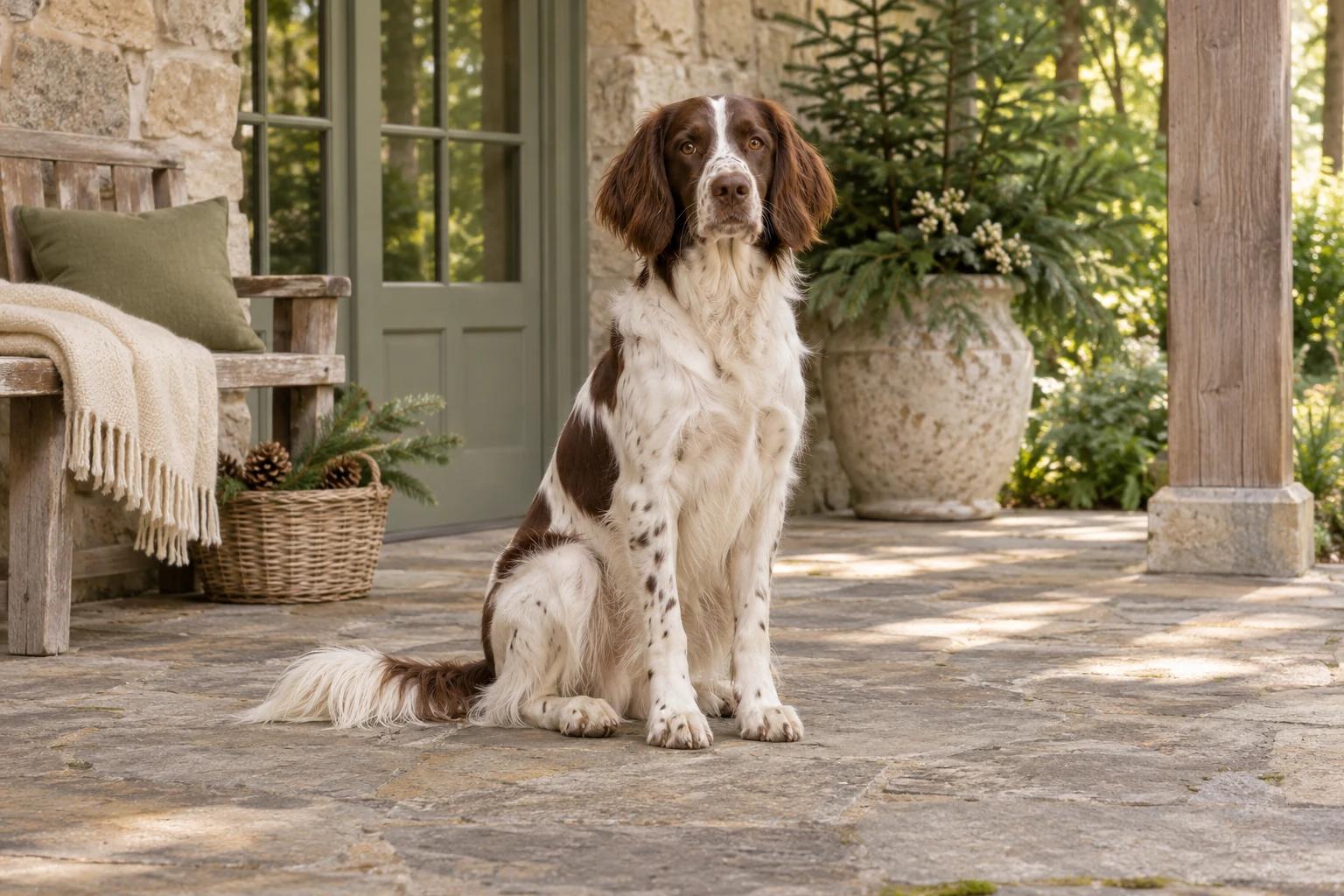
Drentsche Patrijshond size matters most when it becomes a real dog moving through your home, stretching out in the car or stepping into a harness. A breed label is not enough to choose equipment. Think in terms of the adult dog's outline, actual measurements and the space needed to use that equipment comfortably.
This guide focuses on making those decisions rather than predicting a puppy's final measurements. Keep the Drentsche Patrijshond profile alongside your notes, and ask the breeder or rescue for measurements of the individual dog or its adult relatives.
Drentsche Patrijshond size is more than shoulder height
My Breed Atlas lists an adult weight reference of 55–77 pounds: females 55–68 pounds and males 66–77 pounds. The height references are 21.5–23.5 inches for females and 23–25 inches for males. These ranges help with initial planning, but the individual dog’s measurements should determine equipment fit.
The FCI standard describes a muscular dog with a body somewhat longer than its height. Feathering contributes to the outline. Those details explain why a side-on photograph can be misleading: fur is visible, while the space a dog needs to turn, sit and stretch is not always obvious.
For household planning, separate three questions. How high is the dog at the shoulder? How much space does its body occupy? What is its current weight? Each answers a different practical problem. Height helps with clearance; length and posture help with beds and travel accommodation; weight matters wherever equipment has a stated load limit.
Someone asking “how big do drentsche patrijshonds get” is often really asking whether their car, hallway or daily routine can accommodate an adult. Meet adults if possible. Standing near a relaxed dog gives you a perspective that an isolated photograph cannot provide.
Take measurements you can repeat
For drentsche patrijshond height, use a level surface and the top of the shoulders, not the top of the head. Ask another person to help the dog stand comfortably rather than stretching it into a pose. Write down the units and the date so that later measurements mean the same thing.
A flexible tape is useful for equipment measurements, but follow the maker's diagram. One harness may ask for chest circumference in a particular position; another may need additional neck or body measurements. The word “large” on a label does not establish that two products will fit the same dog.
For drentsche patrijshond weight, use an appropriate scale and keep the result with the dog's records. Do not estimate weight from coat volume. If you are concerned about growth or body condition, ask your veterinarian to assess the dog rather than trying to make it match an online number.
Keep one small measurement sheet with the following entries:
- Date, age and units used.
- Shoulder height and the equipment-specific dimensions you measured.
- Current measured weight, where a weight limit matters.
- Product model, size and any fit observations after use.
This sheet is an original planning aid, not a growth chart or medical assessment.
Buy a harness for a moving dog, not a still photograph
A harness should be assessed while the Drent walks and changes direction. Arrange a fitting where you can observe whether the straps shift, rub or interfere with movement. Follow the manufacturer's fitting instructions and ask a knowledgeable fitter for help when the shape seems wrong despite choosing the listed size.
Look again after a few outings. Feathering may hide where a strap sits, and an apparently neat fit can change when the dog moves or the adjustment loosens. Check the contact areas rather than assuming that the coat protects them.
For a growing puppy, plan to reassess fit instead of buying equipment so oversized that it is insecure now. Adjustable does not mean unlimited. Record which adjustment you changed and why; that makes the next check simpler and helps another household member spot a difference.
Make the car plan before the collection journey
Measure the usable travel area, including the opening through which equipment must pass. A crate that fits inside a car on paper may not pass through its door or leave enough usable room around it. Check the restraint or carrier manufacturer's requirements as well as the dog's dimensions.
Consider the whole journey rather than the parked arrangement. Where will luggage go? Can you secure it without crowding the dog? Can you open the door and attach a lead without creating an escape opportunity? Will the person travelling alone be able to manage the setup?
Practice loading and unloading calmly before a major trip. If access is difficult, seek a suitable loading arrangement rather than assuming you will always lift the adult dog. Any concern about pain, mobility or appropriate assistance should be discussed with your veterinarian.
Map the adult footprint at home
Mark a proposed bed area with towels or paper. Then walk through the room as you normally would. Does the resting space block a door, narrow the route to the kitchen or put the dog beside a chair that rolls backwards? The best spot is not necessarily the first empty corner.
Check room for more than a curled sleeping pose. A Drent needs to be able to change position without constantly moving into the household's main traffic route. If you use a crate or enclosed rest space, follow appropriate sizing guidance for standing, turning and lying comfortably rather than relying on the breed name on a sales chart.
Outdoor access also deserves a trial run. Carry your work bag and imagine managing the dog at the same time. A narrow shared entrance may require a taught waiting place and a clear sequence for opening doors. This is a handling problem, not something solved by selecting the smaller puppy in a litter.
Ask for evidence instead of a prediction
The AKC introduction identifies the Drent as a versatile farm-bred dog. When meeting a breeder, translate that background into present-day questions: which adult relatives can you meet, how do they travel, and what equipment has fitted them well?
Parents and relatives provide context, not a guarantee of final size. Avoid choosing a puppy on a promise that it will remain within a particular equipment category. Budget for replacing outgrown items and leave room in your plan for the adult rather than only the puppy coming home today.
The existing article on the Drent in field work explores a different aspect of its physical activity. For this decision, use the breed match quiz to review the broader household commitment alongside your measurements.
FAQ
Can a photograph show whether a Drent will fit my home?
A photograph cannot establish usable space, body weight or equipment fit. Meet adult Drents, measure the places the dog will use and assess the individual dog's dimensions before making expensive purchases.
Should I buy equipment using a breed size label?
Use a breed label only as a starting point. Match the dog's measurements to the manufacturer's instructions and assess fit during movement. Product sizes are not consistent across brands or different types of equipment.
Can I predict a puppy's adult size exactly?
No exact prediction is available from a puppy visit. Adult relatives can provide context, but plan for growth and reassess equipment. Discuss growth or body-condition concerns with your veterinarian instead of treating a target weight as a feeding goal.
Sources behind this article
Article source checked: November 15, 2026. Source checked 2026-11-15
Keep reading
Drentsche Patrijshond temperament at home
Read article →