Devon Rex vs Sphynx: appearance, size and daily interaction
Compare Devon Rex vs Sphynx using current adult weight references, distinctive appearance and concrete examples of how each breed joins everyday life.
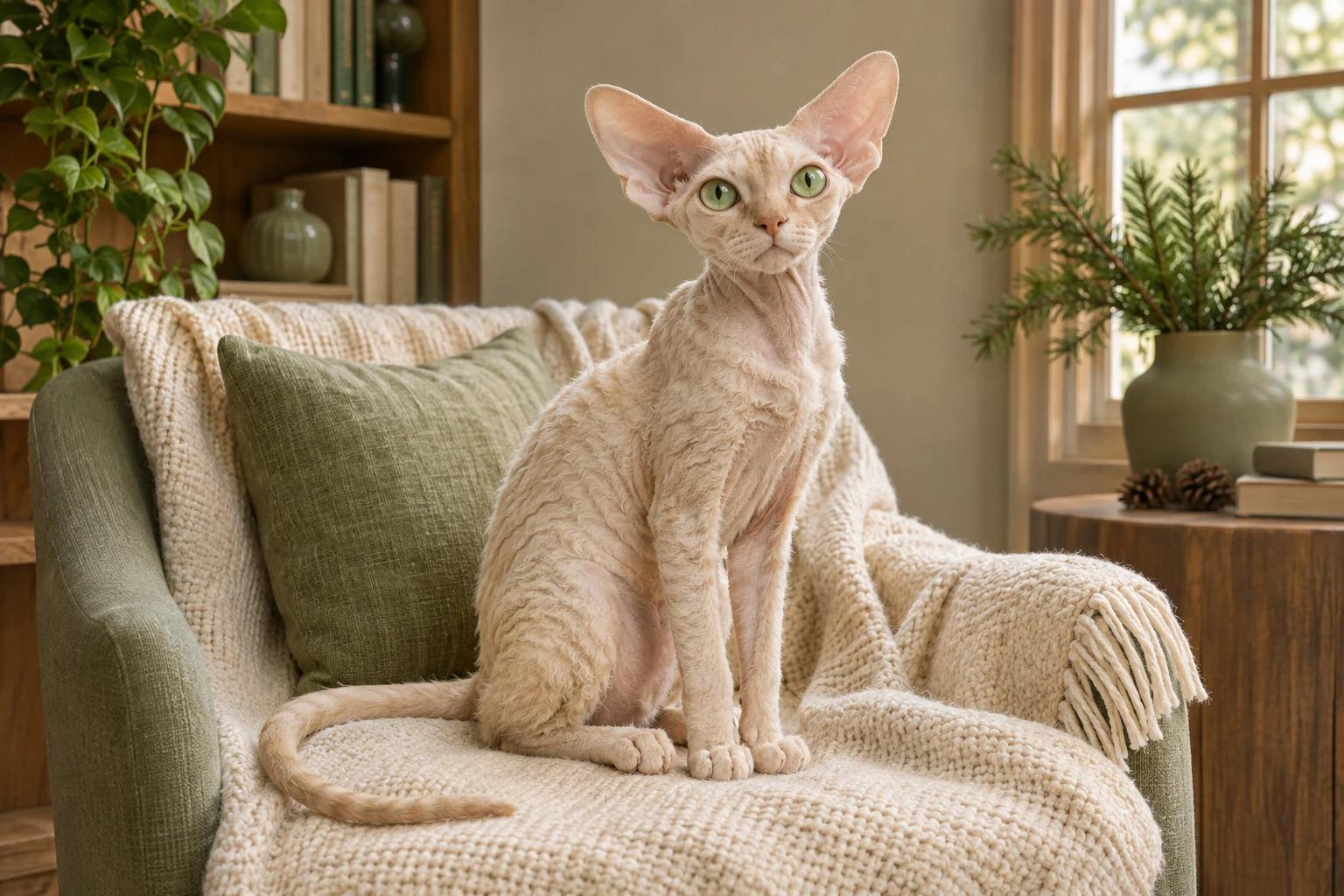
Devon Rex vs Sphynx is a comparison between two distinctive cats, not a choice between two interchangeable versions of the same pet. Their current weight references overlap. Beyond those numbers, look at the individual features and interactions described below rather than expecting appearance to explain the entire ownership experience.
Devon Rex vs Sphynx: compare adult weights fairly
The current Devon Rex profile lists 5–9 pounds overall, with females at 5–7 pounds and males at 7–9 pounds. The Sphynx profile lists 7–12 pounds overall, with females at 7–10 pounds and males at 8–12 pounds.
The overall intervals overlap from seven to nine pounds. Comparing females, the references meet at seven pounds; comparing males, they overlap from eight to nine pounds. Those relationships are more informative than saying that every individual of one breed must outweigh every individual of the other.
For example, an eight-pound male falls within both male references. Its weight alone would not tell you which breed it is. Nor should the twelve-pound Sphynx endpoint become a target for a smaller adult. These are breed references, not instructions to change an individual's weight.
If you are considering Devon Rex or Sphynx adults, use each cat's actual measurement alongside the appropriate reference. A kitten's present weight is a different piece of information. Neither breed interval supplies an arithmetic formula for predicting that kitten's final dimensions, and weight cannot be converted into an invented height.
The Devon's coat varies between individuals
The GCCF Devon Rex account describes considerable variation in the coat, from a fuller, tousled appearance to a much thinner texture. It also explains that coat appearance can change during development and with seasonal changes. One photograph should not become a specification for every Devon you meet.
For an owner, the important practical detail is gentle care. GCCF cautions that the hairs are delicate and can break with rough grooming; in many cases, passing a hand over the coat is sufficient. More vigorous work is not automatically better work, and a sparse-looking coat is not an invitation to brush harder in an attempt to manufacture a different texture.
Keep the individual cat in view when comparing appearances. Two Devons can look different without either being a miniature Sphynx. Ask about the coat you are actually seeing rather than choosing a grooming routine from the fullest-coated photograph. This description does not diagnose a change in an individual's coat. Questions about an unexplained change belong with the veterinarian, not a home attempt to make the cat resemble a breed illustration.
A Sphynx has its own substantial outline
CFA's Sphynx description and standard present a medium-sized, muscular cat with a rounded chest and abdomen, substantial-looking paws, prominent cheekbones and large, lemon-shaped eyes. The paw pads are thick, with conspicuous toes. These structural details matter independently of the cat's apparent lack of coat.
CFA also makes clear that hairlessness is an appearance rather than an absolute absence of hair. Some residual hair can occur on the nose, ears, feet and tail, while very fine fuzz can cover the body. That gives the difference between Devon Rex and Sphynx more nuance than “fur versus no fur.”
Look at the whole outline: chest, body, head and feet, not simply a close view of skin. The Sphynx is not meant to be a delicate version of another breed with its coat removed. Equally, the rounded abdomen in the breed description is an anatomical description, not permission to dismiss an individual's weight question. A standard describes the intended appearance; veterinary assessment addresses the actual cat. Those are different tasks, even when they involve looking at the same body.
A Devon may join the activity rather than watch quietly
VCA's Devon Rex profile describes interest in high viewpoints, close physical company and opportunities to perform tasks. Its examples suggest an involved companion rather than a decorative presence that happens to share the room.
Translate that into the sort of interaction you want. Enjoying a cat's company while you read is not identical to welcoming it into everything your hands are doing. Likewise, a vantage point and a shared task offer different kinds of participation. Do not assume that one will permanently substitute for the other.
VCA's description also notes investigation of narrow spaces. Before offering access to a room, consider the gap behind furniture as part of the space available to the cat, not as invisible background. A room may look open to a standing person while containing several inviting recesses at floor level.
These examples help make the ownership choice concrete without ranking the Devon against the Sphynx. They are tendencies to discuss and observe, not proof that every Devon wants identical contact or that an individual should be encouraged to use an unsafe high perch.
Sphynx interaction includes investigating objects
TICA's Sphynx account describes inquisitive cats using their toes to investigate doors and cupboards, alongside games of chase or fetch. That is a more useful picture than treating the breed's unusual appearance as its main activity.
When comparing Sphynx vs Devon Rex, consider whether you enjoy participating in exploration and play, not merely admiring the cat. A cupboard is not interesting only because of what is inside: opening it can itself be part of the investigation. An owner therefore needs to distinguish an acceptable game from access to something that should remain unavailable.
The same distinction applies to a returned toy. It is an opportunity for an interaction, not a promise that the cat will retrieve on demand every time. TICA's examples identify possibilities to look for in an individual; they do not establish a competition between the breeds for intelligence or entertainment value.
Neither a striking photograph nor a lively description tells you which particular cat you will enjoy living with. Use the cat match quiz to organize preferences, and keep procedural care questions separate in the guide to Devon Rex ear-care questions for your vet.
Frequently asked questions
Do the adult weight references overlap?
The Devon Rex and Sphynx overall adult weight references overlap from seven to nine pounds. An individual's weight alone cannot distinguish these breeds.
Is every Sphynx completely hairless?
Sphynx cats can have residual hair and very fine fuzz.
Should I compare female and male endpoints as if they were equivalent?
Compare Devon Rex and Sphynx adults using sex-qualified intervals. Mixing sex and breed differences can make a simple weight comparison misleading.
Sources behind this article
Article source checked: November 16, 2026. Source checked 2026-11-16
Keep reading

Abyssinian vs Somali: Coat, Size and Everyday Company
Read article →