Dalmatian training: clearer cues, useful daily skills
Build a Dalmatian training plan with clear communication, useful household skills, thoughtful socialization and realistic class goals.
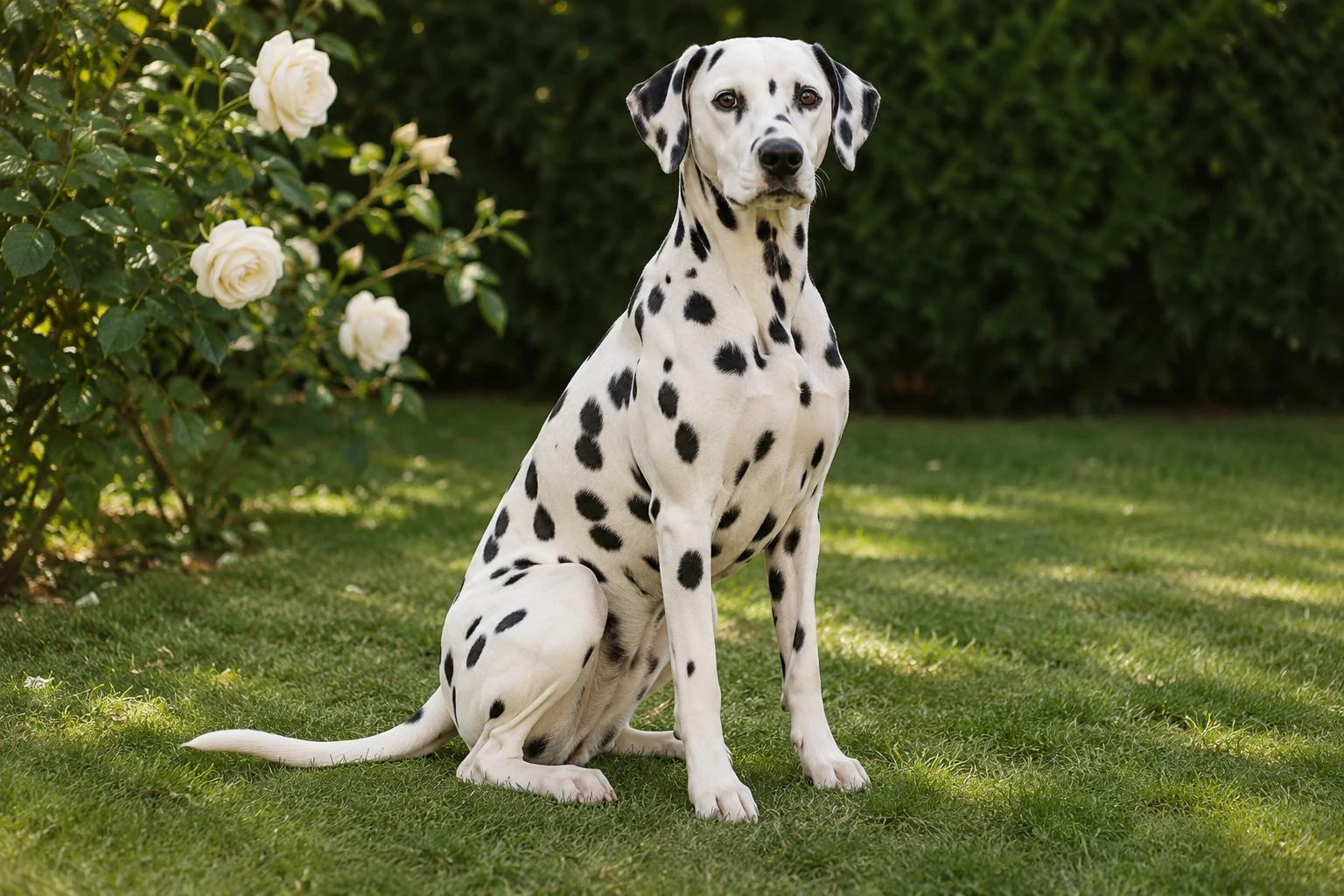
Dalmatian training works best as a communication project, not a race to collect commands. The useful question is whether your dog understands what to do when ordinary life becomes busy: preparing to go out, meeting a visitor or waiting while you put something down.
The Dalmatian profile places activity, mental engagement and training responsiveness toward the higher end of its reference scale. That makes a purposeful learning plan relevant, but it does not mean the dog arrives knowing your household rules. Begin with the skills that would improve your actual day.
Dalmatian training: make your signals readable
Watch yourself giving a familiar cue. Are you also pointing, leaning forward or moving toward a cupboard? Another person might use the same word with completely different movements. A dog can experience those as different instructions even when the humans believe they are being consistent.
AKC's guidance on visual communication explains that hand gestures, body position and distance can affect how a dog responds. It recommends considering visual signals rather than simply repeating words more loudly. Ask your trainer to help you establish clear cues and check what your dog has actually learned.
A useful household exercise is to record the intended meaning of each cue. Include the hand movement if you use one. Have every caregiver describe the cue before practicing with the dog. Differences are easier to fix in a conversation than during a confusing lesson.
Do not assume a missed verbal response proves either defiance or a hearing problem. If you have concerns about hearing or a change in responsiveness, speak with your veterinarian. Training observations can inform that discussion, but they are not a diagnostic test.
How to train a Dalmatian for your busiest moments
Choose three scenes from a normal day that you would like to improve. Perhaps the dog crowds the entrance while you gather keys, becomes excited when a familiar person arrives or follows you through a narrow kitchen. Write the desired alternative in plain language.
For the entrance, the goal might be waiting at a defined spot while you prepare. For a greeting, it might be remaining on the floor while the person approaches. For the kitchen, it could be resting outside the working area. These are examples to discuss with your trainer, not a requirement that every household use the same positions.
Arrange the practice so you are not also dealing with the real emergency. A delivery driver waiting at the door is not an ideal first helper. Rehearse the human setup when there is no pressure, then decide which element the dog is ready to learn.
Keep the setup uncomplicated. Put the supplies where you need them, choose one caregiver to lead and decide how to end the session. If the exercise depends on three people coordinating perfectly, you may have designed something too elaborate for a weekday.
Dalmatian obedience is not only formal performance
The AKC Dalmatian ownership guide recommends early training opportunities and positive, reward-based methods. Use that approach to prioritize skills that make daily care easier, including comfortable handling and preparing for outings.
A formal class can provide structure, but arrive with your own questions. Tell the instructor what happens at home and what you hope to change. Ask how the lesson transfers to your entrance, your walking route and the people sharing care. A polished exercise in a training hall is useful only if you understand how to build on it elsewhere.
For each skill, maintain a small “where it works” list. A response in the living room belongs on that list; so does a response on a quiet path. This avoids collapsing every setting into a single label such as “trained.” It also shows your instructor exactly where help is needed.
Do not make physical exhaustion the prerequisite for learning. Plan lessons within a balanced day and ask your veterinarian about appropriate activity. Your training goals should remain useful on days when a long outing is not possible.
Organize Dalmatian socialization around likely experiences
An introduction plan should reflect your life. A dog who will travel regularly needs preparation for travel arrangements; one living near a busy pavement needs manageable experiences of that environment. Ask your veterinarian about appropriate puppy outings and work with a trainer on suitable progression.
Create a list of experiences rather than a count of greetings. Include quiet visitors, different locations, grooming equipment and watching movement from a comfortable distance. Beside each item, write where you could begin without being trapped in a crowd.
Choose helpers who will follow the plan. Someone determined to hug the dog or test its reaction may make an introduction harder to organize. Tell people what you need before they arrive, including whether the first meeting should involve no direct contact at all.
Your notes should describe comfort and participation, not just attendance. “Visited a café” says little. “Observed the terrace from across the path, then left” tells you what actually happened and gives the next session a starting point.
Find a class that fits the dog and the household
Before enrolling, ask how the instructor handles a dog who needs more space, what equipment is used and whether a caregiver can observe a class first. Explain any relevant history accurately. A suitable class should offer a workable learning arrangement, not require you to hide the issues you need help with.
Check travel and homework expectations too. A weekly class across town may be less useful than an accessible option you can attend consistently. Ask whether another household member can learn the same methods so one person does not become the only capable handler.
Keep sport ambitions separate from immediate household priorities. The existing article on Dalmatian running plans and readiness addresses one possible future activity. Everyday learning has value regardless of whether you eventually run or compete together.
Review the plan before buying another solution
When progress slows, bring specific observations to your trainer: the cue, setting, distraction and outcome. A brief video may help if it can be recorded without staging a difficult situation. Avoid deliberately provoking a problem for the camera.
Choose the next adjustment from the evidence. You may need clearer signals, a different practice location or a smaller goal rather than another piece of equipment. If behavior changes suddenly or suggests distress, include veterinary assessment.
Still deciding whether this commitment appeals to you? The breed quiz can organize your preferences, but consider whether you enjoy ongoing teaching as part of companionship. Training is not a short course you finish before ordinary life begins.
FAQ
Should I use hand signals with a Dalmatian?
Hand signals can be part of a clear communication plan. Ask your trainer how to teach and use them consistently, and remember that a visual signal requires the dog to be able to see it. Hearing concerns belong with your veterinarian.
Is a training class enough on its own?
A class can provide coaching and structure, but household practice and consistent routines still matter. Bring your real-life goals to the instructor and ask how to apply the lessons in the places where you need them.
What should I do when a cue stops working outside?
Describe the new setting and distractions rather than assuming the dog is refusing on purpose. Return to a manageable version and ask your trainer how to progress. Sudden or unexplained changes in responsiveness warrant veterinary advice.
Sources behind this article
- American Kennel Club: Is the Dalmatian a Good Fit for You? ↗
- American Kennel Club: Understanding How Your Dog Sees the World Can Make You a Better Trainer ↗
Article source checked: November 15, 2026. Source checked 2026-11-15
Keep reading

Affenpinscher Training: Build Useful Everyday Habits
Read article →