Czechoslovakian Vlcak training: practical foundations
Plan Czechoslovakian Vlcak training around clear goals, useful rewards, manageable introductions and skills for everyday life.
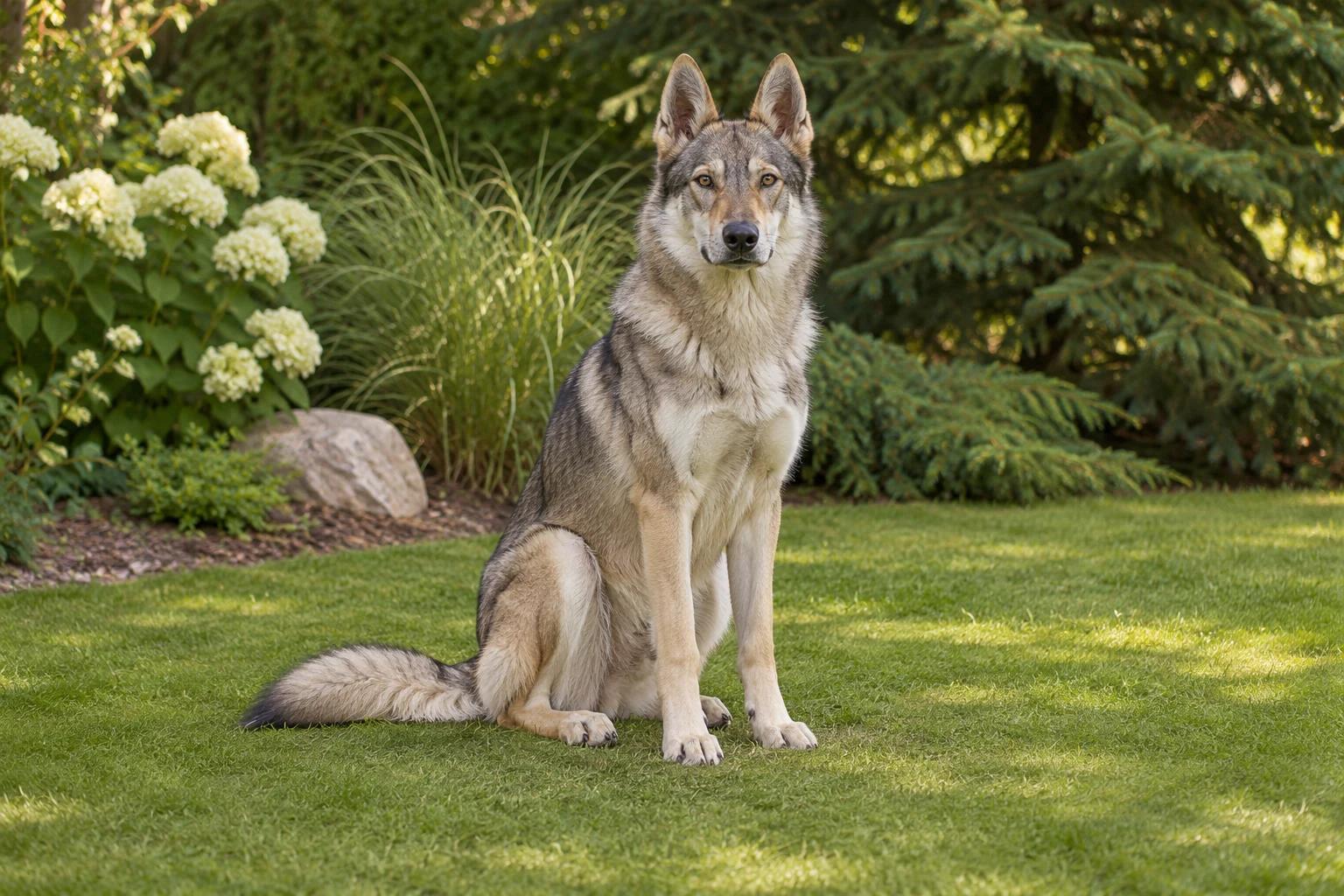
Czechoslovakian Vlcak training is easier to plan when “well trained” means something specific. Perhaps you need a dog that can wait while you fasten a leash, pass a person on a quiet path or rest while you answer an email. Those everyday outcomes are more useful starting points than an impressive trick list.
The AKC breed overview describes an intelligent, active, powerful dog with endurance. That is a reason to organize your teaching, not to assume learning will happen automatically. The Czechoslovakian Vlciak profile provides the broader ownership picture. Here, the focus is a workable learning plan.
Czechoslovakian Vlcak training starts with three outcomes
Write three short sentences describing what you want to see. “Walk politely” is vague. “Follow me from the front door to the pavement without rushing ahead” gives you a place, a beginning and an observable result. “Be friendly” is not a fair instruction. “Stand beside me while a visitor enters” describes something you can teach and arrange.
For the first stage, choose one handling task, one outdoor task and one household task. This keeps training connected to life rather than becoming a separate performance that happens only when the treat bag appears. Put the list where every caregiver can find it.
Beside each outcome, note the easiest location available. A quiet hallway might suit leash practice; the living room might suit a resting station. A busy park entrance is a poor first classroom when your actual goal is simply getting through a door together.
Make the household vocabulary small
Choose one word for each task and record what it means. If “down” means lying on the floor, do not also use it for getting off a chair. Decide how you will signal that an exercise has ended. This is particularly useful when several people share care and each person assumes their preferred words are obvious.
How to train a Czechoslovakian Vlcak without a battle
VCA's predictable-rewards guidance explains that dogs repeat behaviors that earn valued outcomes. It recommends teaching an alternative behavior, starting with understood cues in quiet surroundings, and gradually adding distractions. Rewards must be things the dog actually enjoys; touch is not automatically rewarding.
Use those principles to design a small experiment. Choose a familiar task, prepare the reward before starting and try it in one quiet place. Note whether the dog can participate and what changed when you moved elsewhere. The point is to identify a teachable version of the task, not to prove that the dog should already know it.
A simple notebook can have four columns: task, setting, result and next adjustment. “Looked away at the gate; repeat indoors” is more useful than “stubborn today.” Describe what happened without assigning a motive. You will build a clearer picture of which situations need more preparation.
Avoid making every outing an examination. A walk can contain a brief planned learning opportunity and still leave room for ordinary exploration. If both of you spend the whole route negotiating, choose a less demanding route next time rather than adding more instructions.
Czechoslovakian Vlcak obedience that earns its place
Give priority to skills you will use often. A return toward the handler, a comfortable pause beside a doorway and willingness to enter a travel space may matter more to your household than a formal heel position. Ask a reward-based trainer to help turn these goals into appropriate exercises for your dog.
Think through the equipment before practicing. Where will the leash be attached? Can you reach the reward without releasing your grip? Is the floor secure underfoot? Is there room to turn around? Rehearse the human part without the dog if you keep dropping supplies or getting tangled.
For a doorway exercise, for example, write down who holds the leash, who operates the door and where the dog starts. Do not add a delivery person to the first attempt. Once your arrangement works in an ordinary moment, discuss the next layer of difficulty with your trainer.
For recall practice, keep the environment controlled. A response in a room does not establish reliability around wildlife or unfamiliar dogs. Plan secure practice locations instead of using freedom near a hazard as the test. Record the setting alongside each success so you do not mistake one learned situation for every situation.
Plan Czechoslovakian Vlcak socialization around observation
Make a list of situations your dog will actually encounter: the car, a quiet veterinary waiting area, visitors, bicycles at a distance and different walking surfaces. Ask your veterinarian about appropriate outings for your dog's life stage, and use a qualified trainer for a gradual introduction plan.
For each situation, record the starting arrangement and an exit option. A bench away from a path may give you more choices than a narrow café doorway. One calm visitor is easier to organize than a room full of people with conflicting ideas about greetings.
Do not measure success by how many strangers touched the dog. A more useful note is whether the dog could remain comfortable in the setting and return attention to you. If an introduction is too difficult, leave the performance goal behind and create space. Persistent fear, aggression or a sudden behavior change deserves professional assessment, including veterinary input.
Review progress without moving every goalpost
At the end of the week, choose one result that became easier and one situation that still needs work. Change only a manageable part of your plan. A different route, quieter practice time or clearer household cue may be more useful than purchasing another training gadget.
Keep history separate from the individual learning plan. The article on three dates in the breed's development explains the background without turning ancestry into a training method. If you are still considering ownership, use the breed quiz as a conversation starter, then compare the result with your real schedule and support.
FAQ
Is Czechoslovakian Vlcak training suitable for a first-time owner?
A first-time owner should assess available time, practical support and access to a reward-based trainer rather than relying on enthusiasm alone. Meet adult dogs and discuss ordinary handling, outings and time at home before deciding whether the commitment fits.
What should I teach first?
Choose useful foundations that match daily life, such as comfortable leash preparation, returning toward you in a controlled space and settling in a designated area. A trainer can help you choose achievable starting steps for the individual dog.
Why does my dog respond indoors but not outside?
The outdoor setting changes the task. Smells, movement and unfamiliar surroundings compete for attention. Record the differences, return to an easier version and work with a trainer on gradual progression rather than treating the missed response as a personal challenge.
Sources behind this article
- American Kennel Club: Czechoslovakian Vlciak ↗
- VCA Animal Hospitals: Using Predictable Rewards to Train Your Dog ↗
Article source checked: November 15, 2026. Source checked 2026-11-15
Keep reading

Affenpinscher Training: Build Useful Everyday Habits
Read article →