Chow Chow Training: Clear Skills, Not Confrontation
Build Chow Chow training around daily cooperation, thoughtful introductions and care skills, without turning independence into a contest.
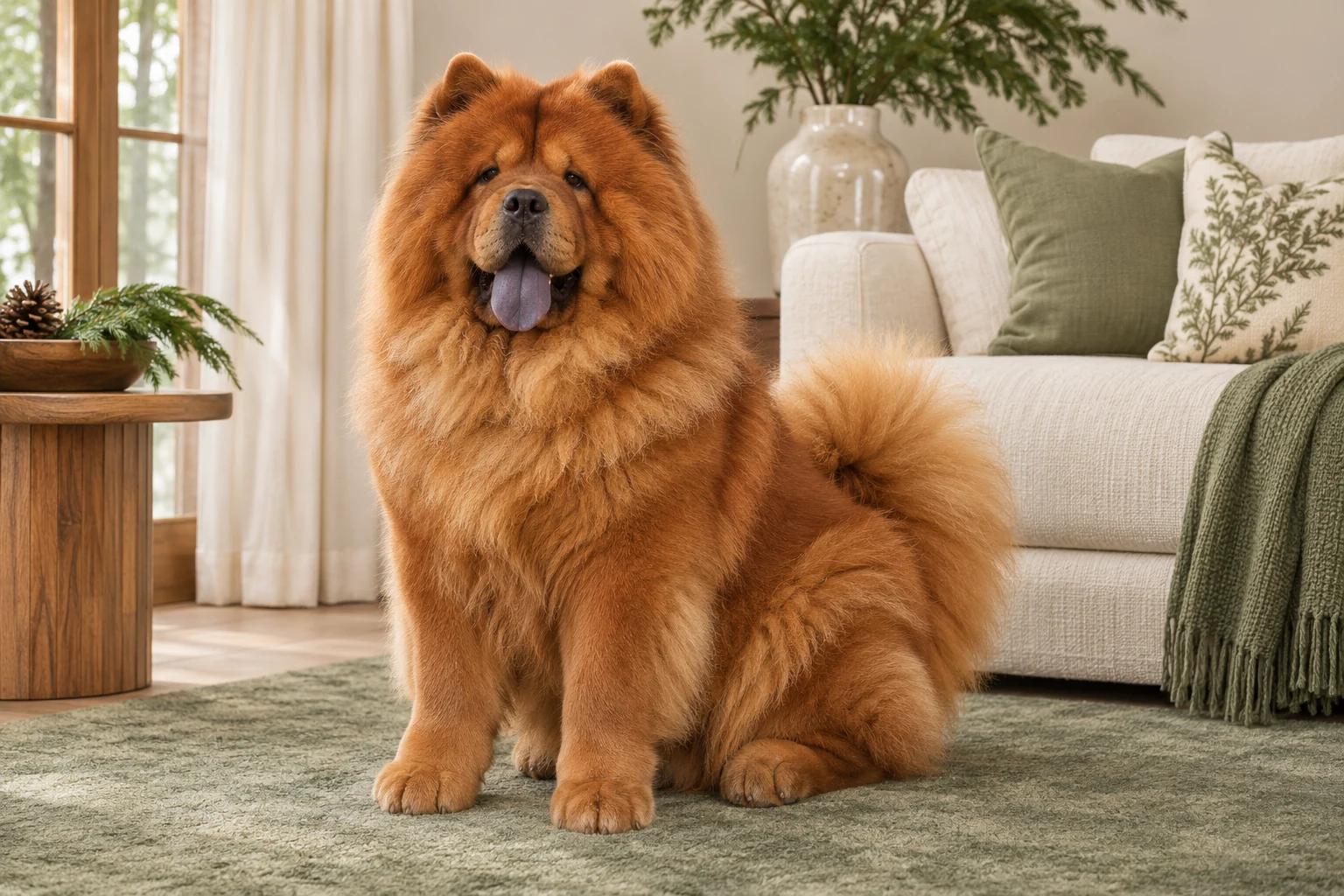
Chow Chow training benefits from a practical definition of cooperation: the dog understands what you are asking, has a reason to participate and can manage the situation in which you ask it. That is more useful than trying to prove that a serious-looking dog is either perfectly obedient or impossibly stubborn. Choose skills that make daily care and movement clearer.
For many households, the priorities are ordinary ones: coming away from a doorway, walking through a shared space, staying comfortable during grooming and giving visitors room to enter. The Chow Chow profile supplies broader breed context; the training plan should address your actual home.
Chow Chow training without a contest of wills
The AKC breed introduction describes a serious-minded, aloof disposition. VCA's Chow Chow guide discusses independence and supports reward-based training rather than forceful methods. Those descriptions are a reason to communicate clearly, not to turn a lesson into a confrontation.
Replace “make the dog listen” with a specific action. If you want the Chow to move away from an exterior door, teach a destination a little farther inside. If you want easier grooming, begin with an approachable station and brief handling. The clearer the action, the easier it becomes to recognize a small improvement.
Do not interpret stillness as understanding. A dog can remain motionless without knowing the next step. Give it a manageable opportunity to respond, then consider the setup if it does not. More volume rarely makes a poorly defined task clearer.
Work backward from one difficult routine
Take the moment of leaving for a walk. Write down everything that happens: the lead appears, someone reaches for the dog, another person opens the door, and the household tries to squeeze through together. If this is chaotic, choose one piece to rehearse rather than repeating the whole scene until everyone is frustrated.
An original practice plan might start with the lead resting on a chair while you reward your Chow for approaching a familiar waiting area. In a later attempt, you pick up the lead, put it down and finish. Gradually connect the pieces that are already comfortable. Keep the exterior door secure while practicing indoors.
The aim is not to delay every walk with a formal examination. It is to build a small shared routine that remains recognizable when the real departure happens. Once you know which piece causes difficulty, a trainer can offer much more targeted help.
Make Chow Chow obedience portable
A skill learned beside the sofa may not immediately work in a lobby. Treat a new setting as another practice opportunity rather than evidence that the dog is deliberately ignoring you. Begin with an easier version of a familiar task and choose a location with room to leave.
For walking, identify a quiet stretch where you can practice turning together or pausing without blocking people. Use close coordination where the space requires it, and allow an appropriate opportunity to investigate elsewhere. Constantly requesting the most demanding walking position can make the outing less workable for both of you.
Before moving to a busy route, think about your exit options. Can you cross the road safely, take a side path or turn around? These choices matter when a dog needs more space. A cue is useful, but it should not be the only thing standing between a manageable situation and an avoidable close encounter.
Chow Chow socialization is not forced sociability
For a breed associated with reserve, socialization should not become a campaign to make every stranger touch the dog. Ask instead whether the Chow can observe ordinary activity at a comfortable distance and move through the setting with you.
Plan introductions with enough space and clear instructions for people. A visitor can enter, put down their belongings and sit without calling the dog over. Do not use food to draw the dog into contact it would otherwise avoid. Let the arrangement stay uneventful rather than treating immediate physical affection as the measure of success.
A training class should support this approach. Ask about spacing, barriers if needed, optional greetings and the instructor's response when a dog becomes uncomfortable. An explanation of how they will adjust the environment is more reassuring than a promise to make the dog comply.
Train care skills before the appointment
The Chow's coat creates repeated opportunities for handling, so care skills deserve a place alongside walking and recall. Practice being near grooming tools separately from a full grooming session. Teach a predictable starting place and a recognizable finish, with rewards for manageable participation.
Choose an easy, brief interaction your dog already tolerates and work from there. Avoid making the first lesson a prolonged attempt to brush an awkward or tangled area. A groomer and reward-based trainer can help divide the work when handling and coat condition both need attention.
If a previously comfortable area becomes sensitive or the dog responds differently to touch, consult a veterinarian. Training should not be used to push through suspected discomfort. The lesson is clearer when the task is both physically appropriate and understood.
Keep expectations shared across caregivers
Write a short list of cues and their meanings. Include the ordinary rules: where the dog waits while doors open, whether visitors approach it, and how people begin handling. Consistency is not about everybody sounding stern; it is about giving the dog recognizable information.
Review progress in concrete terms. “Moved to the waiting place while I picked up the lead” is a useful entry. “Was dominant today” is not. Note what changed when an attempt failed, such as the presence of a visitor or a new location, and return to a version the dog can manage.
For anyone wondering how to train a Chow Chow over the long term, this record is more valuable than a list of age deadlines. The breed-match quiz can help you examine your willingness to practice regularly. For an unrelated breed feature, see the explanation of Chow tongue pigmentation and ancestry claims.
FAQ
Can a Chow Chow learn obedience?
A Chow Chow can learn useful skills, but a breed description does not predict the pace of a particular dog. Start with clear, manageable tasks and reward-based teaching. Choose everyday outcomes such as walking together and moving to a waiting place rather than judging progress by a stereotype.
Should I insist that strangers pet my Chow Chow?
No. Comfortable exposure to people does not require physical contact. Let the dog observe with space, give visitors clear instructions and avoid pressuring an approach. Get professional guidance if encounters repeatedly cause distress or reactions you cannot manage safely.
What should I do when my Chow Chow stops responding?
Check whether the task, setting or distractions have changed and return to an easier version. Avoid escalating force. If the change is sudden or appears connected to discomfort, contact a veterinarian; otherwise, a qualified reward-based trainer can help assess the learning setup.
Sources behind this article
Article source checked: November 15, 2026. Source checked 2026-11-15
Keep reading

Affenpinscher Training: Build Useful Everyday Habits
Read article →