Chinook Dog Training: Everyday Teamwork
Build Chinook dog training around walking, household cooperation and thoughtful introductions, with practical ways to track learning.
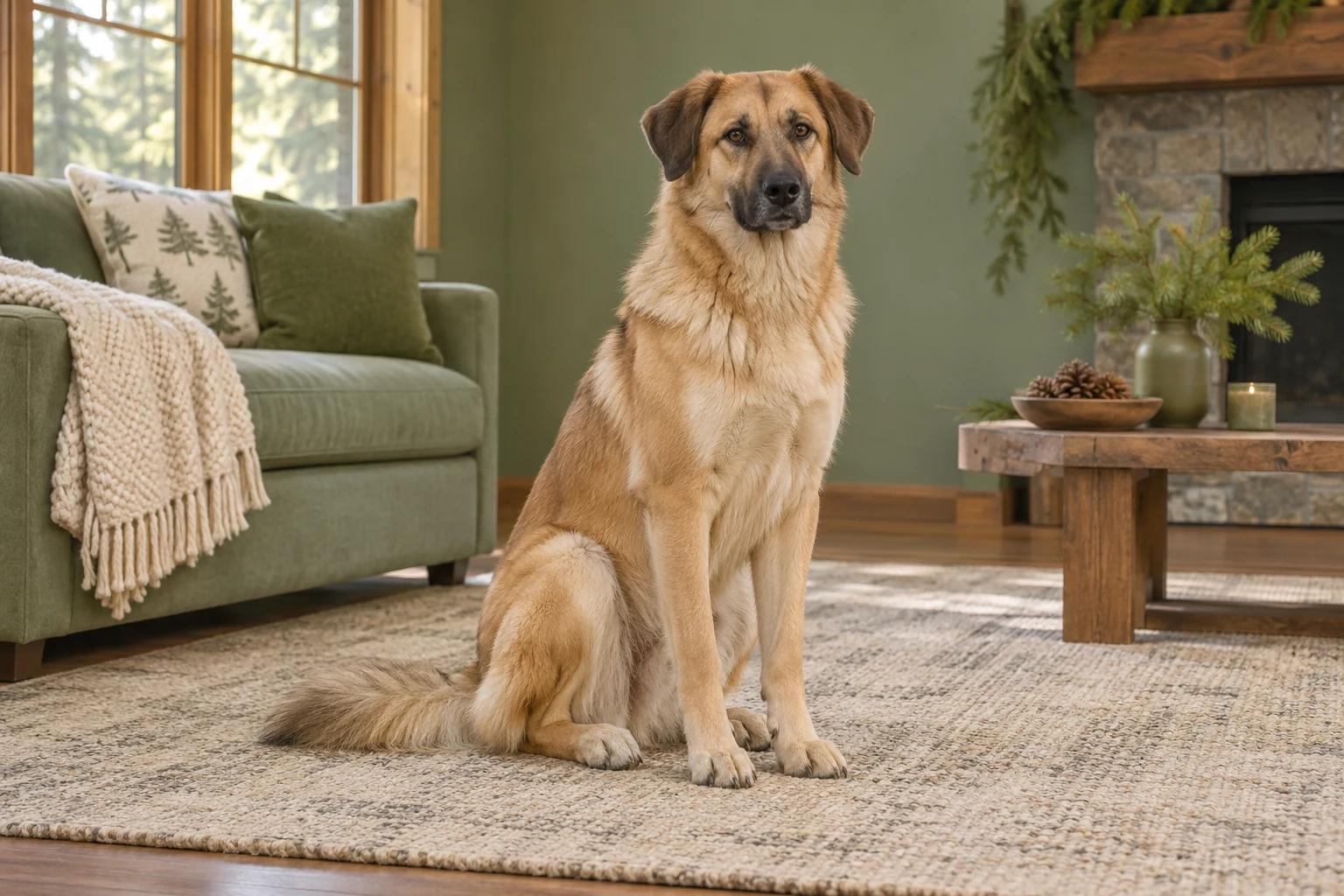
Chinook dog training works best when cooperation becomes part of ordinary life, not something reserved for a class. Think of the moments when a substantial dog needs to move with you: leaving the house, passing another walker, getting ready for an outing and settling while you put equipment away. Those are useful first projects, even if you eventually hope to explore a sport.
The Chinook profile introduces the breed's wider care commitments. This guide turns the training question into a practical household plan, with progress measured by clearer communication rather than a growing collection of tricks.
Chinook dog training starts with shared direction
The UKC Chinook standard describes a willing dog developed for team work. The AKC breed introduction also emphasizes intelligence and eagerness to please. Neither description means a puppy understands a leash, a doorway or your daily timetable. Use that cooperative reputation as an invitation to teach, not a reason to be disappointed when teaching is necessary.
Choose three outcomes that would make tomorrow easier. For example: the dog can turn toward you when asked, follow you a few steps without pulling, and rest somewhere other than across the kitchen entrance. Describe each outcome so two household members would recognize the same success. “Behave” is vague; “walk beside me through this gate” gives you something to practice.
Keep a small shared note of cues. If one person uses “here” for recall and another uses it for jumping onto a sofa, the problem is the vocabulary, not the dog. Agree on a release word as well, so a pause has a recognizable ending.
Make the reward fit the moment
VCA's guide to reinforcement explains that useful rewards depend on the dog and the situation, and that timing matters. Notice what your Chinook actually values rather than assuming praise, food or a toy will always have the same effect.
For an original household exercise, set up beside a closed interior door. Ask for a familiar easy behavior, acknowledge the response promptly, then open the door and walk into the next room together. Practice when nothing exciting is waiting on the other side. This lets you work on the sequence without making the real front entrance your classroom.
Do not make every pleasant interaction into a test. There is room for spontaneous company as well as deliberate lessons. The aim is to make selected skills understandable, not to turn the whole relationship into a continuous obedience examination.
Teach walking before asking for an expedition
A sled-working background makes movement an obvious training theme, but a neighborhood lead walk has different rules from harness work. Do not treat pulling through a crowded sidewalk as something an owner simply has to accept because of ancestry.
Begin where you can turn and stop without inconveniencing anyone. Reward a few steps in your chosen walking position, then offer a clear break to explore within the lead's reach. Use a quiet stretch of path to practice changing direction together. Your first route can be deliberately uninteresting; the purpose is to teach the walking conversation.
If the dog repeatedly reaches the end of the lead, reconsider the setup. Is the destination too exciting? Are you asking for a long stretch after only teaching a few steps? Would a wider path allow more room? Shorten the task before adding more commands. An instructor can watch your timing and equipment fit, which is often more helpful than collecting another list of verbal cues.
For any future pulling sport, seek instruction specific to that activity. Everyday walking practice is not a conditioning program or permission to attach a load.
Chinook dog socialization without a greeting quota
The UKC description allows for reserve in unfamiliar situations. Build experiences around comfortable observation rather than requiring your Chinook to approach everyone. A dog can learn about a place while standing well away from its busiest entrance.
Plan one manageable detail at a time: a quiet parking area, a person carrying an umbrella at a distance, or a familiar friend sitting still. Leave room to move away. If your dog cannot disengage from what is happening, the next useful step may be a quieter location rather than closer contact.
Ask a prospective class instructor how they handle dogs that need additional space. Look for a plan beyond “let them sort it out.” Team-working history does not establish compatibility with every classmate, and a training venue should not require uncontrolled greetings as the price of entry.
Bring Chinook dog obedience into the house
A resting place is especially useful when people are moving equipment, preparing meals or opening exterior doors. Choose a location where the dog can see ordinary activity without lying in the route through the room. Practice going there while the household is quiet before using it during a busy arrival.
Separate the components. First reward stepping onto the chosen mat. Later practice remaining there while you take a small step away. Add movement around the room only after the earlier version is familiar. Do not introduce distance, duration and a visitor at the same moment.
Handling belongs in the same cooperative plan. Let the dog investigate a brush, practice standing beside you, and keep early sessions easy to leave. If touch appears uncomfortable or behavior changes suddenly, consult a veterinarian rather than interpreting the response as disobedience.
Keep a record of where learning works
For owners wondering how to train a Chinook dog beyond the basics, a location log is useful. Record the skill, setting and distraction: “turned toward me in the hall” is different from “turned toward me beside a moving bicycle.” That distinction tells you what to practice next without labeling the dog stubborn.
Use the breed-match quiz to examine your own routine, not to grade training potential. For a different part of Chinook research, the article on the conservation program and new founders explains the records behind that terminology. Neither replaces learning the preferences of the dog at the other end of your lead.
FAQ
Are Chinooks easy to train?
Chinooks have a cooperative learning reputation, but ease depends on the individual, task and environment. Start with useful household skills and clear rewards. A dog that understands a cue indoors may still need practice using it in a more distracting location.
Should a Chinook learn pulling before loose-lead walking?
A companion Chinook can start with ordinary walking skills. Pulling sports require their own instruction, suitable equipment and an individually appropriate activity plan. There is no need to introduce a working sport before teaching everyday movement with a handler.
What if my Chinook dislikes a busy training class?
Ask the instructor for more space, a quieter setup or a different class format. Do not force greetings to prove sociability. If the dog is distressed or the instructor cannot accommodate the situation, seek qualified reward-based help in a more manageable environment.
Sources behind this article
Article source checked: November 15, 2026. Source checked 2026-11-15
Keep reading

Affenpinscher Training: Build Useful Everyday Habits
Read article →