Caucasian Shepherd Dog Training: Useful Guardian Skills
Build a practical Caucasian Shepherd Dog training plan around calm handovers, visitor boundaries, cooperative care and realistic progress.
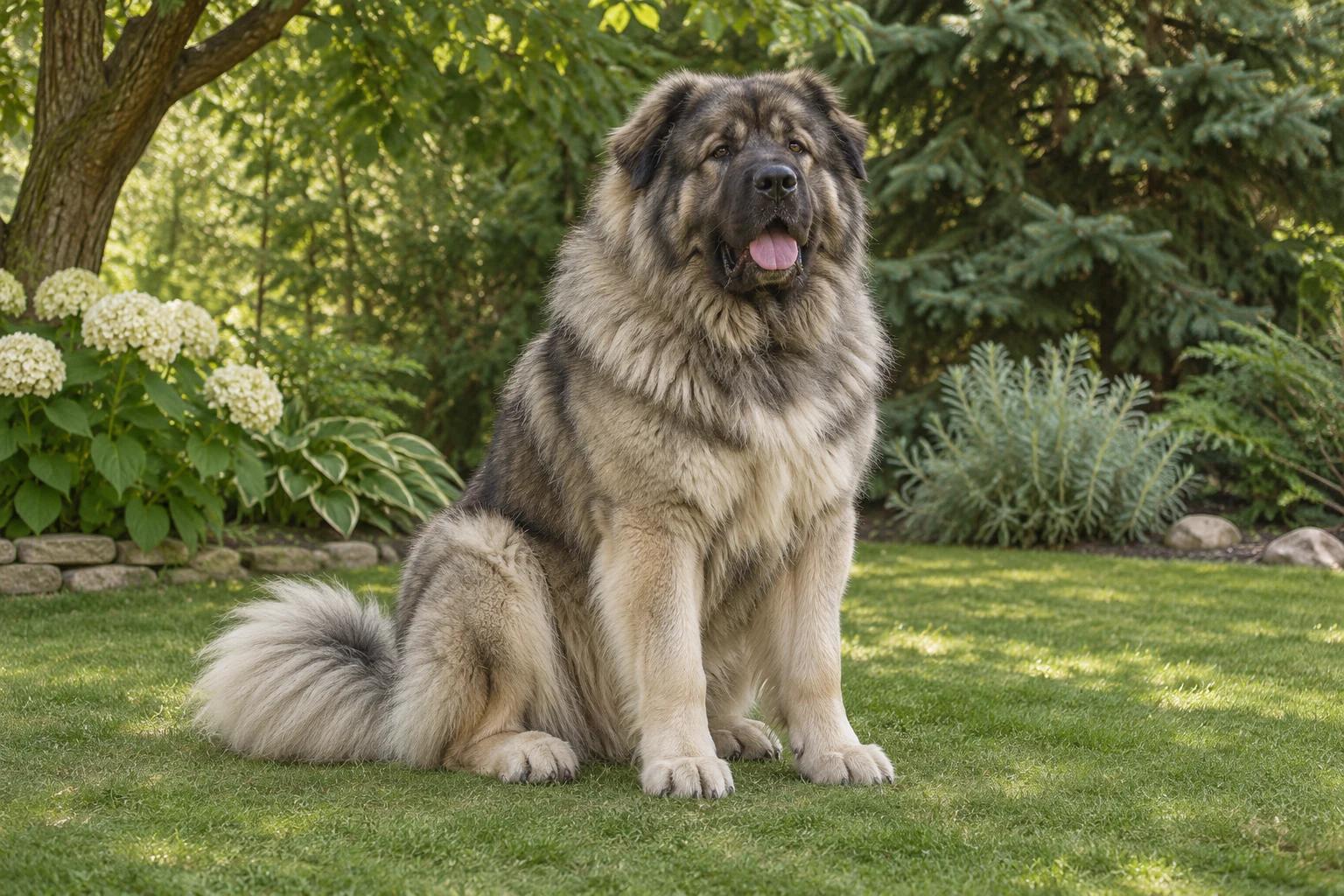
Caucasian Shepherd Dog training should make ordinary decisions easier: coming away from the gate, accepting a familiar handler, and resting while someone works nearby. It is not a contest over who looks more powerful. The Caucasian Shepherd Dog profile describes a watchful dog whose response to people deserves thoughtful planning. Start with skills you will actually use, then arrange the surroundings so your dog can practise them without being overwhelmed.
The American Kennel Club identifies this as a serious guardian breed. That background gives training a particular purpose: helping a substantial, watchful companion cooperate with people rather than encouraging it to investigate every arrival. AKC breed reference.
Caucasian Shepherd Dog training starts with a handover
Imagine a delivery arrives while you are outside with your dog. Your useful outcome is not a perfect performance in front of the driver. It is moving the dog into a secure area before you deal with the delivery. Break that outcome into small pieces: notice your cue, turn toward you, travel a short distance together, and settle behind a closed barrier.
Practise those pieces when nobody is arriving. Pick one phrase for moving away together and reward a willing turn. Begin close to your chosen resting area instead of calling across the whole property. Once the sequence is familiar, another household adult can open an unrelated interior door while you repeat it. Change one detail at a time; a real visitor is not the first rehearsal.
Write down who takes the dog and who answers the door. A family that agrees on this beforehand is less likely to improvise contradictory instructions. Do not make a guest responsible for winning the dog's trust or holding its lead during the handover.
Make cooperation worth choosing
The American Veterinary Society of Animal Behavior recommends reward-based training and rejects aversive methods. That applies to guardian breeds too; their appearance is not a reason to introduce intimidation. AVSAB training position.
When deciding how to train a Caucasian Shepherd Dog, ask what counts as a successful response before starting. For a turn-away exercise, a glance back may be your first useful step. Reward that rather than waiting for an elaborate finish the dog has never learned. You can develop the longer movement later.
Use a reward the individual wants in that setting. Food may be convenient; access to an interesting sniff can also be part of an ordinary practice session. If your dog cannot engage, reconsider the location and difficulty rather than repeatedly announcing the cue. A quieter starting point gives you more information about what the dog understands.
Keep your notes concrete. “Turned with me in the garden with nobody outside” is more helpful than “obedience improved.” It tells the next handler where the skill is established and where it still needs support.
Socialization is not a greeting quota
For Caucasian Shepherd Dog socialization, choose calm exposure over collecting encounters. A dog can learn about people without accepting touch from every passerby. An ordinary goal might be watching a distant person close a car door, then returning attention to the handler. There is no obligation to reduce the distance on that outing.
Ask your veterinarian about suitable outings and class arrangements for your puppy's circumstances. Ask the trainer how they prevent crowding and whether the dog can observe without joining a close group. A class title alone does not tell you how the session is managed.
Avoid arranging surprise visits as tests. If a friend helps with practice, tell them exactly where to stand and what not to do. No leaning over the dog, reaching through fencing, or insisting on a greeting. Your friend should be able to leave without walking past the dog at close range.
For an adult whose history is unclear, begin by learning what familiar situations already look like. Obtain details from the previous caregiver before adding busy environments. Social experience is not a race to catch up with a checklist.
Teach care skills separately from restraint
A guardian still needs everyday handling. Build a vocabulary for approaching a grooming place, standing briefly, and leaving when released. Initially, the session might contain no brush at all. You are establishing a predictable beginning and ending, not trying to complete an entire grooming appointment.
Later, show one tool and reward comfortable participation. Keep practice separate from urgent care. If grooming is already difficult, enlist a suitable professional rather than trying to solve the problem with a longer session and more physical pressure. Questions about pain, skin changes, or sudden handling sensitivity belong with your veterinarian.
Caucasian Shepherd Dog obedience is most useful when it includes these unglamorous skills. A dog that can move to a designated place on cue gives you options when cleaning equipment, preparing a lead, or inviting a familiar helper inside. Those options matter more than a long list of tricks performed only in a quiet kitchen.
Know when the lesson needs a different plan
If a dog repeatedly rushes a boundary, rehearsing a cue closer to that boundary is not necessarily progress. Prevent further uncontrolled encounters and ask a qualified reward-based professional to assess the situation. Describe what actually happens, including where people stand and what occurs immediately beforehand.
A sudden behavior change deserves a veterinary conversation. Do not label every refusal as stubbornness, and do not attempt to diagnose the cause from breed descriptions. Your training record can help explain the change without turning observations into a medical conclusion.
For physical context, read how to interpret Caucasian Shepherd size figures. This training plan is about cooperation, not size competitions. If you are still deciding whether this kind of ownership suits you, use the breed quiz to organize your preferences, then compare them with the responsibilities described here.
FAQ
Can a Caucasian Shepherd Dog learn ordinary obedience?
A Caucasian Shepherd Dog can be taught practical responses such as moving with a handler and going to a resting area. Start in easy conditions, reward clear steps, and assess the individual dog's progress. A response learned indoors should not be assumed reliable during a visitor's arrival.
Must socialization include meeting every visitor?
No. Caucasian Shepherd Dog socialization can include observing people at a comfortable distance without direct interaction. Visitor arrangements should protect space and avoid forced greetings. Discuss puppy outings with your veterinarian and choose training help that allows gradual participation.
What should I do if training becomes confrontational?
Stop the confrontation and reconsider the setup. Secure the situation without deliberately testing the dog, then seek qualified reward-based assistance. If the behavior is new or handling seems uncomfortable, consult your veterinarian rather than assuming the dog is challenging your authority.
Sources behind this article
Article source checked: November 15, 2026. Source checked 2026-11-15
Keep reading

Affenpinscher Training: Build Useful Everyday Habits
Read article →