Canaan Dog training: make the next lesson clear
Make Canaan Dog training easier to organize with specific goals, manageable changes, clear household cues and practical ways to review progress.
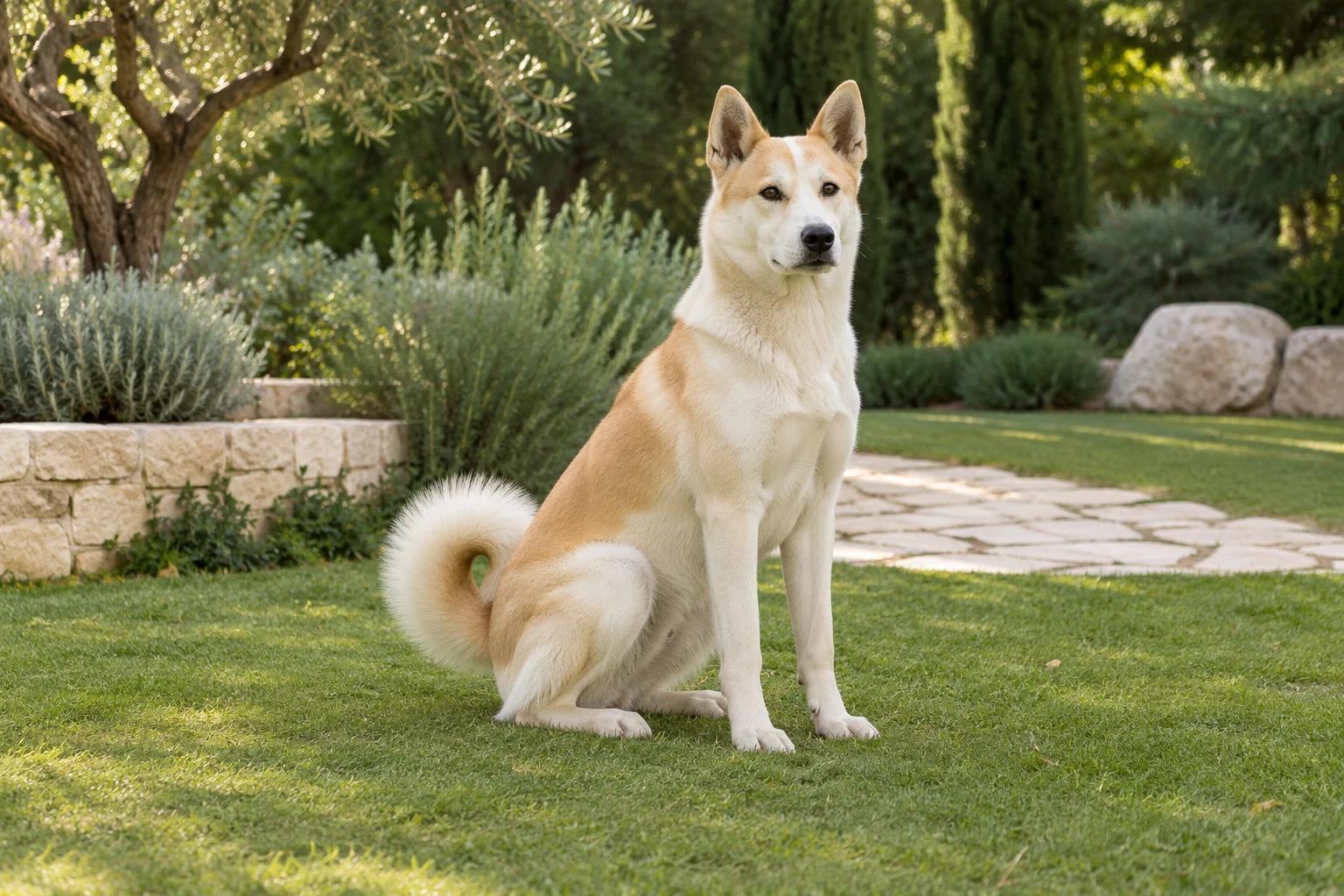
Canaan Dog training works better as a series of clear lessons than as a daily judgment about whether your dog is obedient. An alert dog can notice plenty of things you did not include in your plan. Your job is to make the task understandable and choose a setting in which learning is possible.
The Canaan Dog profile places responsiveness to training toward the higher end of its scale, alongside pronounced vocal tendencies. Those reference points suggest useful priorities, not instant proficiency. Focus on the skills that make your actual routine easier instead of expecting a breed description to do the teaching.
Canaan Dog training begins with a precise request
“Behave better outside” is an understandable wish but a difficult lesson to teach. Replace it with something observable: walk beside you for a short section, turn with you or respond to a familiar cue. A clear action lets you recognize success without constantly changing your standard.
The Canaan Dog Club of America discusses positive training and participation in activities such as obedience. Build from that constructive approach rather than treating the dog's alertness as a challenge to your authority.
Choose one immediate priority. If everyday walks are difficult, the next lesson need not also include staying, greetings and a new trick. You can keep a longer list while giving today's practice a narrow purpose. That makes it easier to end with a useful result rather than a collection of unfinished attempts.
Keep a small record of what you actually asked
When learning how to train a Canaan Dog, try a brief coaching note after practice. Write the skill, setting and result in ordinary language. “Turned with me on the quiet path” is more informative than “good today,” because it tells you where the response happened.
Add one sentence about the next attempt. Perhaps you will repeat the same version or return to an easier setting. Avoid planning a large advance simply because one repetition went well. Your note should help you make the next lesson intelligible, not become a scorecard against the dog.
If several people train, share the note. Otherwise, one person may quietly change the cue while another expects a longer response and a third practices somewhere far busier. The resulting inconsistency can look like a problem with the dog's understanding when the household has not agreed on its own request.
Change the challenge deliberately
The AKC guide to duration, distance and distraction recommends building these demands separately. Holding a response longer, responding from farther away and working amid more activity are distinct changes. Increasing them together can turn a familiar exercise into an unfamiliar one.
Use that principle when reviewing a disappointing session. Did you change how long the dog had to respond? Were you in a different position? Was something more interesting happening nearby? Identifying the altered demand gives you a practical adjustment to discuss with your trainer.
For example, if your dog can perform a short stationary task beside you, do not assume the same request is understood while you move away through an active area. Keep the next step modest. A simple exercise taught clearly is more useful than an impressive-looking test the dog cannot yet complete.
Give alertness a place in the plan
Canaan Dog obedience practice should account for what captures the dog's attention. If a particular route repeatedly overwhelms the lesson, use a less demanding place while you develop the skill. Training is not improved merely by choosing the hardest available surroundings.
Think of the walk as having different purposes. Some portions can be ordinary exploration; another brief portion can be deliberate practice. You need not turn every interesting smell or distant sound into a command. Decide when you are teaching and when you are simply helping the dog move through the environment.
Do not assume that more exercise will teach a response you have not explained. Physical activity and learning can support the same day, but they are not substitutes for one another. If you cannot maintain a manageable session, a reward-based trainer can help adjust the setting and task.
Keep social learning separate from forced contact
Canaan Dog socialization is not a target number of people or dogs to touch. Plan appropriate experiences that the individual can manage, with guidance suited to its age and circumstances. An outing can include observing something at a comfortable distance without participating in it.
For instance, you might choose a quieter place from which ordinary movement is visible, rather than starting inside a crowded event. That is an editorial planning example, not a universal program. The dog's response and professional guidance should determine whether the setting is suitable and what comes next.
Do not use a class as a test of endurance. Ask the instructor how dogs are spaced, what happens if one needs a break and whether the lesson can be adapted. A useful learning environment allows adjustments rather than requiring everyone to work through the same difficulty in the same way.
Make the household's cue vocabulary manageable
Agree on which words mean which actions. If one person uses a word for coming closer and another uses it for leaving an object, the dog is being asked to sort out an avoidable ambiguity. Write a short shared list rather than assuming everyone uses language identically.
Include what counts as finishing the task. Does the request end immediately after the action, or are you expecting the dog to remain in position? Discuss that distinction with your instructor before extending the expectation. It is easier to teach an agreed task than to correct a dog for guessing differently.
Keep practice expectations realistic for each person. A helper should know which skills are established and which are still being taught. Do not ask a new handler to demonstrate an advanced version simply because you have achieved it once yourself.
Review the lesson without labeling the dog
If progress stalls, describe the pattern precisely to a qualified trainer. A sudden behavioral change or possible discomfort belongs with your veterinarian. Calling every difficulty stubbornness can hide the information that would actually help you change the plan.
The existing guide to meeting an adult Canaan Dog addresses a separate research step before ownership. If you are still choosing a breed, the breed match quiz can help you consider how much daily teaching you want to undertake.
FAQ
Are Canaan Dogs trainable?
The breed reference indicates relatively strong responsiveness to training, but skills still need teaching and practice. Choose clear everyday goals, keep the household's cues consistent and seek a reward-based instructor when you need help adjusting the lesson.
Why does my Canaan Dog respond in one place but not another?
The task may have changed through distraction, distance or the length of the response you expect. Review those demands before concluding the dog is refusing. Return to a manageable version and build the changed element deliberately.
Does socialization require greeting every dog?
No. Social learning does not require universal physical contact. Plan appropriate experiences around the individual dog's comfort and circumstances, and ask a qualified professional for help if you are uncertain how to proceed.
Sources behind this article
Article source checked: November 15, 2026. Source checked 2026-11-15
Keep reading

Affenpinscher Training: Build Useful Everyday Habits
Read article →