Calupoh temperament: getting beyond first impressions
Understand Calupoh temperament through everyday observations, introductions and household expectations, rather than dramatic looks or breed labels.
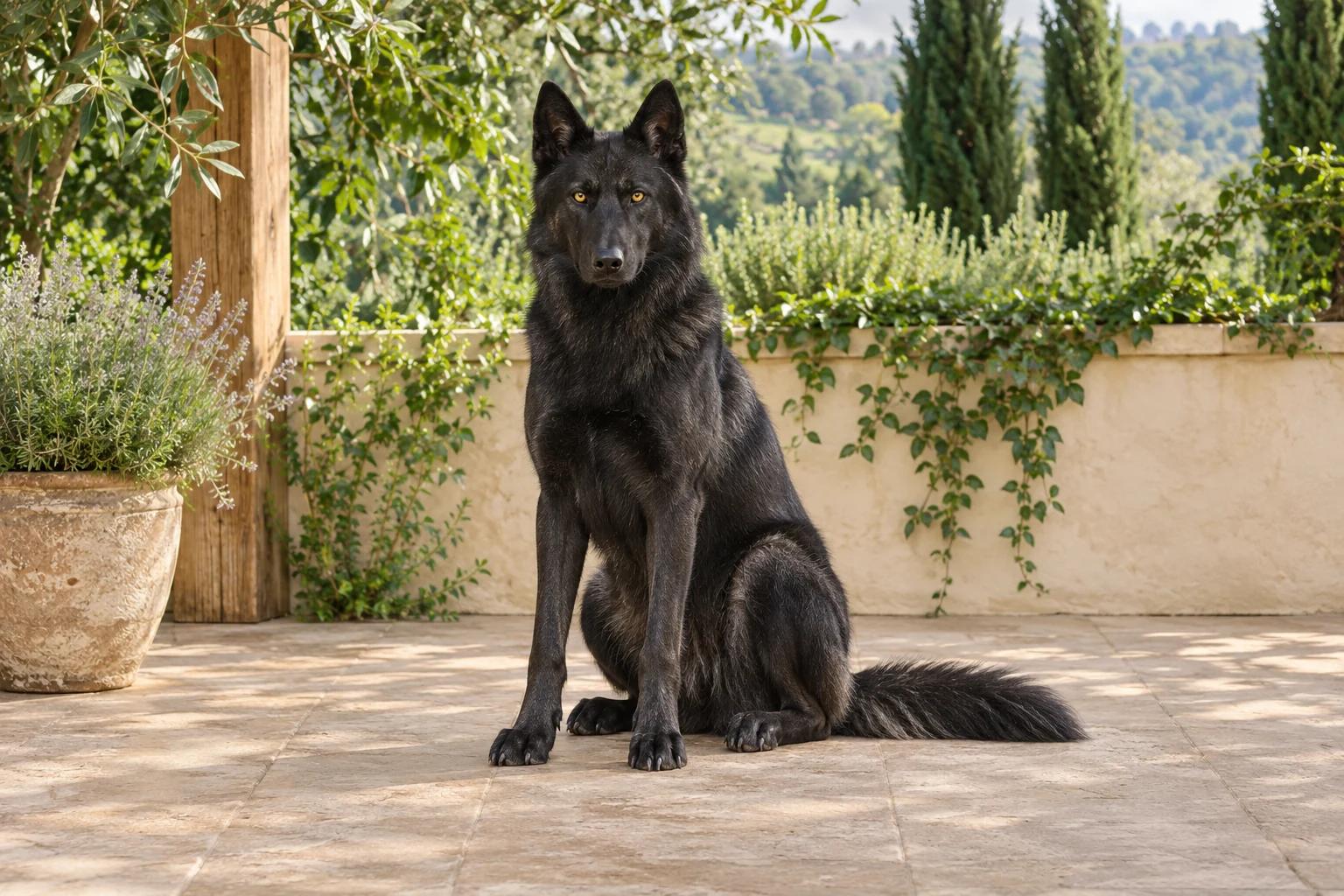
Calupoh temperament is best explored through ordinary moments: what happens when someone visits, when an activity ends or when a familiar person walks away. A striking photograph cannot answer those questions. Neither can a description that compresses a whole dog into loyal, alert or reserved.
Start with the Calupoh profile, then turn its general tendencies into questions about the individual you might live with. The useful question is not whether this dog performs the breed's image convincingly. It is whether you understand its present behavior well enough to provide a workable everyday home.
Calupoh temperament: attachment and reserve can coexist
The Federación Canófila Mexicana's standard describes family loyalty alongside possible aloofness toward strangers. Those are compatible tendencies: a dog can seek familiar company without welcoming every new person with the same enthusiasm. They do not establish how a particular introduction will unfold.
Imagine a friend arriving for a quiet meal. Your aim need not be a demonstrative greeting. Being able to spend the visit comfortably at a distance may be a more sensible starting point. Tell the friend what to expect before they arrive, rather than negotiating over the dog's head while everyone waits for contact.
Ask the current caregiver for examples of recent visits. Who came, where did the dog spend its time and what happened after the first few minutes? A concrete account tells you more than an assurance that the dog is friendly once it knows you. It also gives you a routine you can discuss before changing anything.
Ask for the scene, not just the personality adjective
Calupoh personality descriptions become useful when attached to a setting. An affectionate dog at home may look different during transport or in an unfamiliar room. One short meeting cannot show the full pattern, particularly if the meeting itself is unusual.
For each adjective, ask a follow-up question. If the caregiver says attentive, what does the dog notice during a walk? If they say independent, what happens when an activity is offered? If they say relaxed, is that after a familiar routine or throughout a disrupted day? Avoid translating a label directly into a prediction about your own household.
Request observations across ordinary situations rather than staging a test. You might watch a familiar outing, hear how a recent house guest was managed or ask about a normal evening. Do not deliberately provoke the dog to see what it will tolerate. Useful information should not depend on making a meeting uncomfortable.
Make room for participation without constant entertainment
The My Breed Atlas profile places activity needs in the middle of its reference scale. That supports planning a repeatable day, not assuming either endless exercise or a decorative companion. Your own schedule should contain opportunities to go out, engage with you and spend time without a new event starting.
Consider a work-from-home afternoon as a planning exercise. An outing and some shared time belong in the day, but so does your actual work. Ask how the dog currently handles the caregiver becoming occupied. Does it rest nearby, move to another spot or repeatedly solicit attention? Those observations help identify what needs preparation.
Do not fill every pause because you feel the breed's appearance demands an adventurous lifestyle. Equally, do not count your presence in the building as the whole companionship plan. Describe what you will actually do together and which parts of the day require a different arrangement.
Separate learning from a contest of wills
Calupoh behavior should not be interpreted through a story about needing to dominate an imposing-looking dog. Decide what you want the dog to do, where it already understands that task and where your expectations have become harder. A missed response is information, not a personal insult.
VCA's reward guidance emphasizes selecting rewards the individual dog values. Ask the caregiver which rewards currently work before assuming your praise, toy or chosen food will be equally meaningful.
An original practice example is returning to you after briefly investigating a familiar spot. Begin somewhere uncomplicated, rather than making the first attempt during an exciting outing. Keep the task clear and stop before your practice becomes a long argument. If you are unsure how to teach it, a reward-based trainer can help you define a manageable first step.
Translate household expectations into specific arrangements
Some Calupoh characteristics matter because of the people sharing your home. A household that often hosts unfamiliar visitors needs an introduction plan. Someone who travels regularly needs care arrangements that do not depend on the dog immediately accepting a stranger. These are practical considerations, not reasons to label the whole breed difficult.
Discuss the less glamorous situations before committing. Who would care for the dog if your usual helper were unavailable? Where could it spend time during a maintenance visit? Would every adult follow the same approach to introductions? A plan that works only when one person is present is worth revisiting.
For an existing dog, introduce any new helper through an appropriate, gradual process rather than assuming a first-day handover will be straightforward. Ask the current caregiver or trainer how to build on familiar routines. Keep written instructions focused on the individual, not on dramatic claims about its breed.
Know which concerns need professional help
A temperament article cannot determine why a dog suddenly behaves differently. If a new change raises concern, speak with your veterinarian; ongoing handling or behavior difficulties may also warrant qualified behavioral support. Do not assume discomfort is simply an expression of breed character.
Likewise, do not turn online labels into your own diagnosis. Describe what happened, what preceded it and how the situation ended. That description is more useful to a professional than calling the dog stubborn, protective or dominant without context.
For the separate appearance question, read the Calupoh's wolf-like breed description. If you are comparing ownership routines rather than silhouettes, use the breed match quiz to organize your preferences before arranging further conversations.
FAQ
Are Calupohs outgoing with strangers?
The Calupoh standard allows for reserve around unfamiliar people. Ask about the individual dog's experiences and arrange introductions that do not require immediate physical contact. A calm visit can be a useful outcome without an enthusiastic greeting.
Does family attachment mean a Calupoh needs constant attention?
Family attachment does not define a universal attention schedule. Ask how the dog spends an ordinary day with its current caregiver, including periods when people are present but occupied. Plan shared activity and realistic care arrangements around those observations.
How can I assess a Calupoh before bringing one home?
Request concrete examples of everyday behavior and, where appropriate, observe familiar routines. Ask about visitors, outings and changes of caregiver. Do not create stressful situations as a temperament test or rely on a single photograph or adjective.
Sources behind this article
- Federación Canófila Mexicana: English Calupoh standard ↗
- VCA Animal Hospitals: Using Reinforcement and Rewards to Train Your Pet ↗
Article source checked: November 15, 2026. Source checked 2026-11-15
Keep reading
Calupoh size: height, weight and adult expectations
Read article →