Calupoh size: height, weight and adult expectations
Read Calupoh size ranges accurately, distinguish height from weight and ask useful questions about adult proportions without predicting puppy growth.
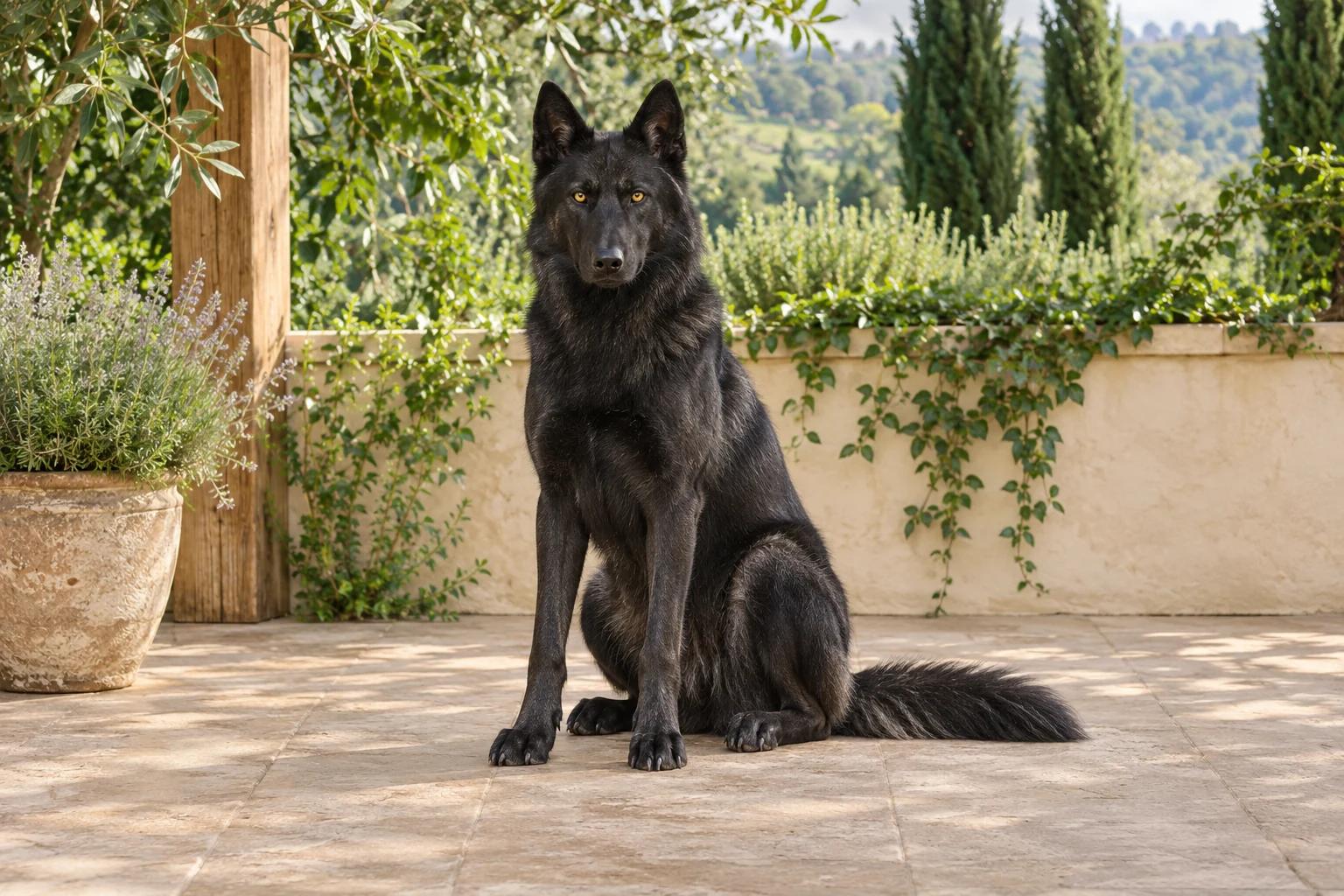
Calupoh size is a combination of height, weight and proportions, not one impressive number. The Calupoh profile gives adult heights of 24–29 inches for males and 22–27 inches for females, with a reference weight of 70–100 pounds. Those figures establish a large-dog planning range without forecasting a particular puppy's eventual measurements.
Before using the numbers, decide what you need to know. Comparing adult dogs, preparing for a growing puppy and choosing a suitable resting space are different questions. Each calls for more information than the upper end of a breed chart.
Calupoh size: what the height range actually measures
The Federación Canófila Mexicana's English standard gives the same male and female inch ranges. Breed height is measured at the withers, around the highest part of the shoulders, not at the ears. A dog's full standing outline therefore extends above its stated shoulder height.
This distinction matters when someone describes a Calupoh as twenty-seven inches tall. Ask what was measured before comparing that number with a product's interior height or another dog's recorded size. A shoulder measurement and a measurement to the top of the head are not interchangeable.
The male and female ranges overlap. Sex alone cannot tell you which of two adult dogs will be taller. If your decision depends on a particular measurement, obtain that dog's current measurement instead of treating a broad category as an exact dimension.
Read Calupoh weight as context rather than a target
The site's 70–100-pound reference offers a broad idea of adult scale. It is not a feeding objective or a requirement that every dog reach the midpoint. The FCM standard does not supply a numerical weight range, so the site figure should not be presented as a weight prescribed by that document.
Avoid asking how to make a growing dog reach a number from an online chart. Questions about body condition, growth and an appropriate diet belong with your veterinarian. A weight that sounds impressive in an advertisement is not a reason to alter the dog's care.
When discussing an adult, ask when it was last weighed and whether the figure is measured or estimated. A current weight provides different information from an owner's recollection or a puppy prediction. Keep those categories separate when reviewing an offer or deciding what you still need to ask.
Why photographs are a poor measuring instrument
A Calupoh standing close to a camera can look much larger than a dog farther away. Camera angle, the person's position and the absence of a familiar scale all affect the impression. A photograph can show an individual, but it cannot substitute for a measurement when size is material to your plans.
Suppose two listings each describe an adult as large. One supplies a shoulder measurement and a recent weight; the other supplies a dramatic portrait. The second dog is not necessarily larger, smaller or unsuitable. You simply have less useful size information and should request it before comparing them.
Avoid using another person in the photograph as a measuring stick. You may not know that person's height, whether they are leaning or how far they stand from the dog. Ask a straightforward factual question instead of building a precise estimate from an uncertain image.
What to ask when the dog is still growing
“How big do Calupohs get?” is a reasonable opening question, but a puppy seller cannot answer it with certainty for one individual. Ask about the parents' adult measurements and the puppy's current records while keeping the breed range in view. Family information provides context, not a promise.
An informative conversation distinguishes what is known now from what is expected later. The puppy has a current age and current measurements. The adults in its family may have documented sizes. Its eventual height and weight remain future outcomes. Be cautious about an explanation that slides between those categories without saying so.
Do not invent a monthly growth timetable from adult reference values. Growth is not a straight line you can calculate by dividing adult weight into equal portions. If you have concerns about development, take the puppy's records to your veterinarian rather than adjusting care to match an unsourced chart.
Use individual dimensions for a resting space
The American Kennel Club's crate guide says a dog needs room to sit, stand and lie comfortably. That is a functional check, not merely a weight label. Two dogs with similar weights can require different interior dimensions.
If you use a crate, discuss the actual dog's dimensions and the intended use with the supplier. A breed name on a product selector does not demonstrate that the individual can use the space comfortably. Manufacturer labels such as large or extra large also need to be read alongside their stated measurements.
For a growing dog, ask how the arrangement will be reassessed as it changes. Buying something advertised for adulthood does not remove the need to check present fit. Keep the discussion about comfortable use rather than choosing the largest product simply because the breed is substantial.
Compare capacity before making a commitment
Size can affect arrangements that are easy to overlook while browsing puppies. A care provider may have its own acceptance criteria; a rental agreement may contain a weight restriction. Verify the actual rule with the responsible organization instead of assuming that large-dog approval covers every adult outcome.
Consider an example in which a household has permission for dogs but has never checked the written weight limit. The useful next step is to clarify the rule, not to select a puppy expected to stay just beneath it. A prediction is a fragile basis for a long-term housing arrangement.
If size is a firm constraint, an adult with known measurements gives you information a young puppy cannot yet supply. That does not answer every ownership question, but it can remove one important uncertainty. Temperament, routine and compatibility still need their own consideration.
Keep size separate from appearance claims
A taller Calupoh is not automatically a better match, and a substantial outline does not tell you how a dog behaves. Concentrate on the measurements that affect your own practical commitments rather than treating maximum size as a goal.
The existing article on the Calupoh's wolf-like description covers a different aspect of the breed. Use the breed match quiz to consider the rest of your daily-life preferences alongside adult scale.
FAQ
What is the adult Calupoh height range?
The recorded adult range is 24–29 inches for males and 22–27 inches for females, measured at the shoulders. The ranges overlap, and they are reference values rather than an exact prediction for a puppy.
How much does a Calupoh weigh?
My Breed Atlas lists a 70–100-pound adult reference range. Use the individual dog's measured weight when a practical decision depends on it. The FCM standard does not specify that numerical weight range.
Can I choose a crate using Calupoh weight alone?
Weight alone does not establish crate fit. Check the individual dog's dimensions and whether it can sit, stand and lie comfortably within the chosen space. Reassess the arrangement as a young dog grows.
Sources behind this article
- Federación Canófila Mexicana: English Calupoh standard ↗
- American Kennel Club: How to Choose the Best Crate for Your Dog ↗
Article source checked: November 15, 2026. Source checked 2026-11-15
Keep reading
Calupoh temperament: getting beyond first impressions
Read article →