Choosing a gentle coat-care approach for an American Wirehair
Plan American Wirehair coat care around its individual texture and comfort, with gentle observation and clear questions for your vet or cat groomer.
Understand texture before choosing a tool
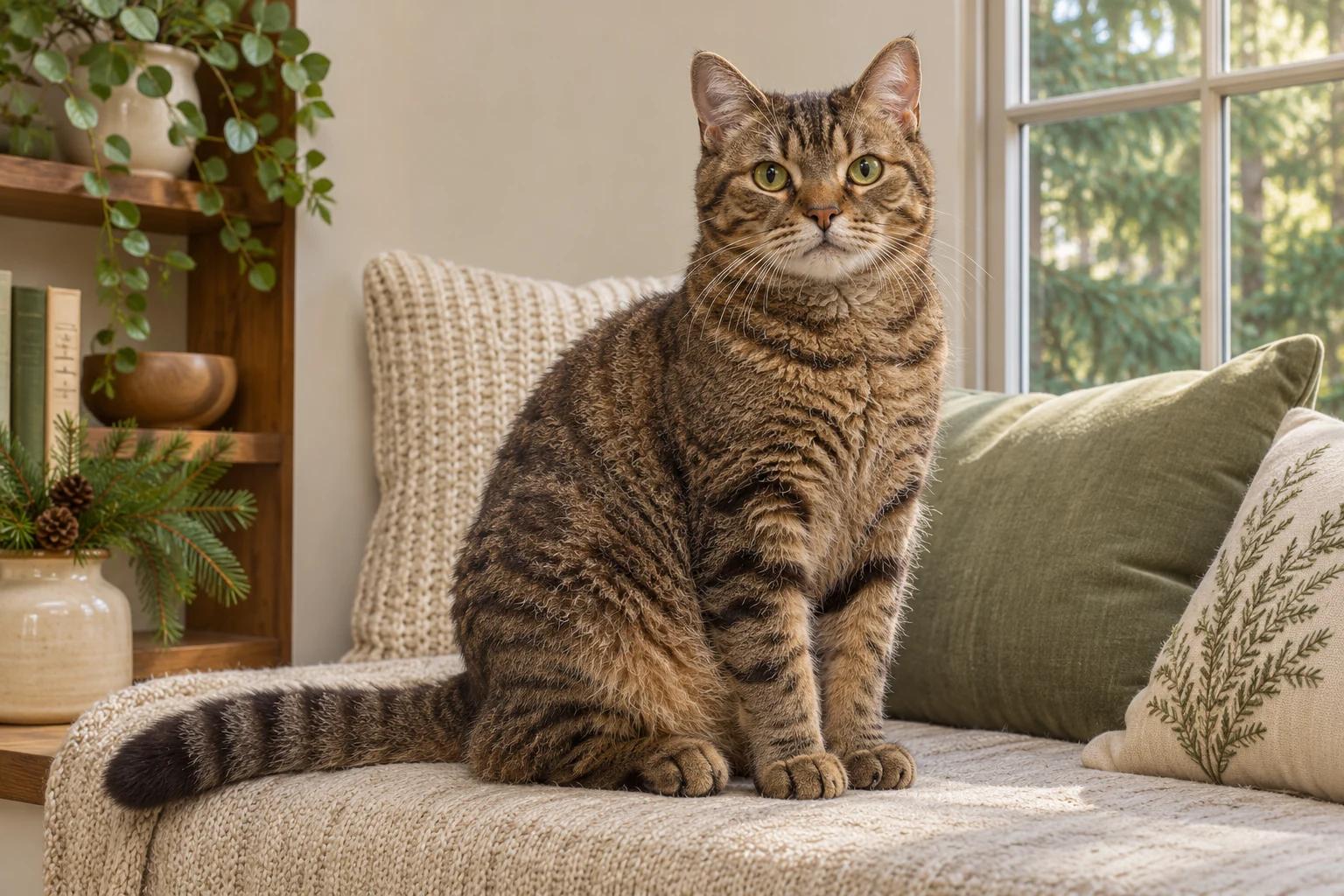
An American Wirehair coat should not be judged against the smooth finish of another breed. CFA describes crimped hair and variation in texture between individuals. That gives an owner a useful starting point: learn what this coat normally feels like rather than trying to brush away every irregularity or make it lie completely flat.
Ask the previous carer what grooming the cat already accepts. Keep a note of the tools used and any advice supplied, but distinguish a previous routine from veterinary instructions. Before buying a collection of brushes, consider what problem you are trying to solve: loose hair, dirt, a suspected tangle or simply uncertainty about routine care.
Introduce one gentle step at a time
Cats Protection explains that equipment choice depends on coat length and the cat’s preference. Ask a vet or experienced cat groomer to show you a suitable approach for this individual Wirehair. A tool intended for another coat can be an unhelpful starting point, especially if you do not yet know how much handling the cat welcomes.
Choose a quiet moment and keep the first attempt modest. Notice whether the cat remains comfortable with the contact rather than treating a fully groomed body as the only successful outcome. If it moves away, end the attempt. Do not use additional restraint to complete a cosmetic goal. A demonstration is more useful than trying increasingly forceful versions of an uncertain technique.
Separate a coat change from a styling problem
Cats Protection recommends veterinary advice for concerning grooming changes, such as bald areas or sore skin. If you notice a new patch, record where it is and when you first saw it. A photograph can help you explain what changed, provided you can take it without pulling the cat into an uncomfortable position.
Avoid experimenting with household cleaning tools or products on the coat. CFA’s page includes owner reports of lint rollers and occasional bathing; those suggestions are not the basis of this routine. Ask your vet about unexpected greasiness, damage or repeated grooming difficulties rather than treating them as proof that Wirehairs need a particular product.
Write a routine that another carer can follow
Your care note can be very small: the agreed tool, the areas the cat accepts, what made you stop and the professional contact for questions. Record the individual cat’s response instead of writing a universal schedule for the breed. Update the note after a demonstration so another household member does not unknowingly repeat an approach the cat disliked.
Review whether the routine is accomplishing its purpose. If loose hair is manageable and the cat is comfortable, there is no reason to pursue a show-ring finish. If a tangle or skin concern is beyond your confidence, get professional help. The useful Wirehair coat-care plan protects comfort while preserving the coat’s natural character; it does not demand that an unusual texture be corrected.
Sources behind this article
Article source checked: October 22, 2026. Source checked 2026-10-22
Keep reading
How often should you groom a Maine Coon?
Read article →