Braque du Bourbonnais temperament: a practical guide
Understand Braque du Bourbonnais temperament through company, activity, visitors and the practical questions behind a suitable household match.
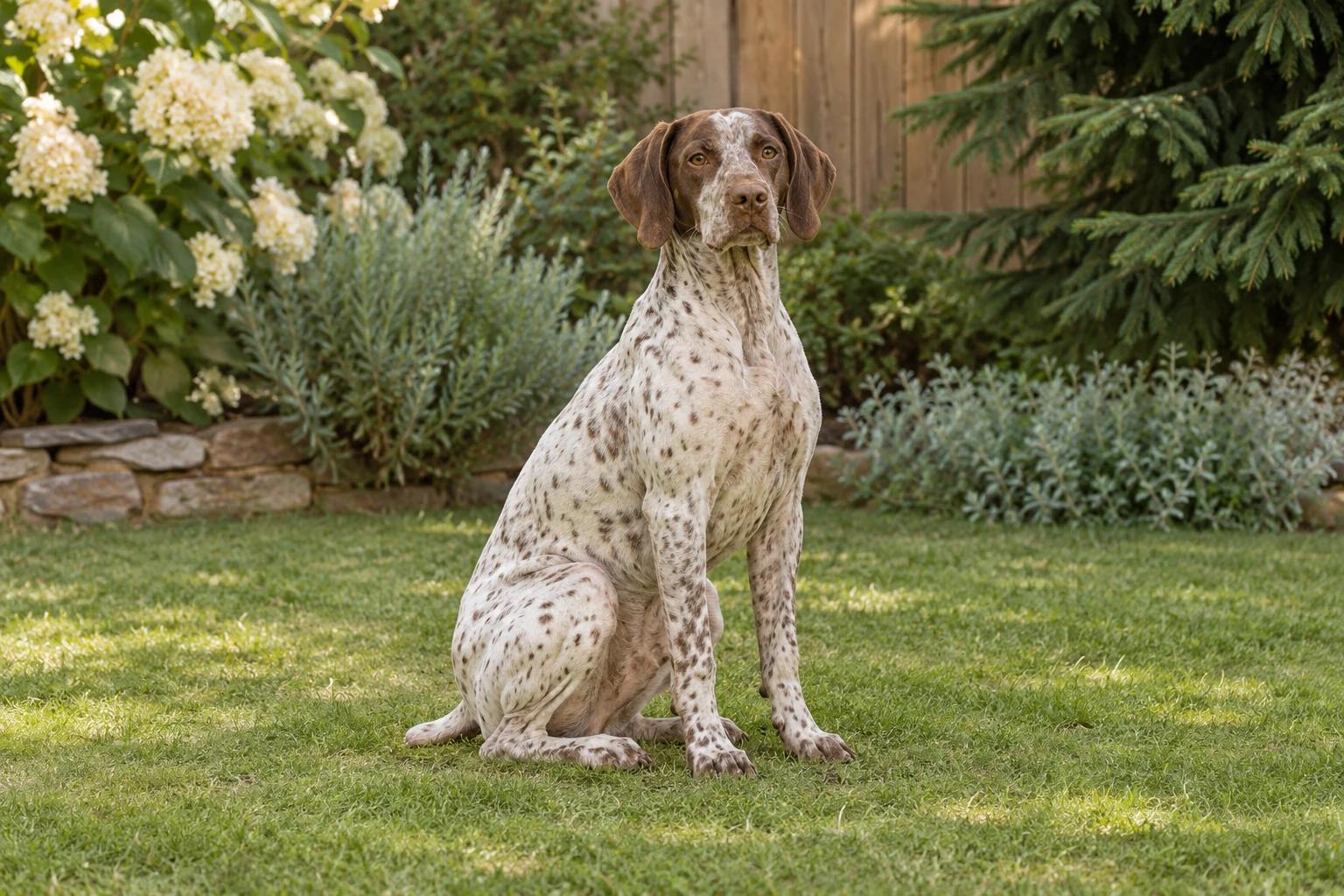
Braque du Bourbonnais temperament brings together the companion and the working pointer. Looking only at the soft expression misses the active part of the picture; looking only at field photographs misses the domestic routine that an owner must provide. Before choosing this breed, find out how a particular dog behaves when nothing especially exciting is happening.
The Braque du Bourbonnais profile gives a starting point for size, care and activity. This guide focuses on interpreting temperament descriptions and turning them into questions that help you assess a real match.
Braque du Bourbonnais temperament in context
The UKC standard describes a companionable home temperament alongside enthusiasm and intelligence in hunting. The AKC introduction also frames the Bourbonnais as a pointer associated with a hunter on foot. Neither source describes a decorative pet whose exercise needs disappear because its manner is gentle.
Braque du Bourbonnais personality should therefore be considered in two settings. Ask what the dog enjoys doing with people and how it behaves between activities. Does it rest comfortably while the household works? What routine helps it settle after an outing? Those questions produce more useful information than asking whether it is “good indoors.”
A puppy's behavior will also change with experience and maturity. If meeting a litter, avoid assigning lifelong labels from a few minutes of play. Ask the person raising the puppies what they have observed over time and how they match puppies to homes.
Look for a workable companionship pattern
The breed's affectionate reputation can be appealing, but affection does not tell you precisely how much contact an individual wants. One dog may choose a nearby bed; another may frequently invite interaction. Make room for both company and uninterrupted rest.
Consider your household's traffic. A compact sporting dog still needs a place where it can lie down without being stepped over. If the only available resting area is next to children's toys or the entrance, rearrange the space before asking the dog to cope with it.
Ask about time apart directly
Do not infer comfort with solitude from friendliness or calm behavior during a visit. Ask how long an adult dog is currently left, what arrangements are used and whether there have been difficulties. For a puppy, plan daytime care and gradual learning rather than expecting an immediate full working day alone.
If a dog shows distress when separated, involve your veterinarian and appropriate behavior support. A breed label cannot diagnose the cause, and simply adding more exercise does not answer every separation problem.
Activity is part of the temperament conversation
Among Braque du Bourbonnais characteristics, its pointing-dog background is particularly relevant to life outside. The profile places activity needs toward the higher end of its reference scale. You should want to share an active routine, not merely tolerate one until puppyhood is over.
Write down where daily outings will happen. Include travel time, safe access and who will be responsible when your schedule changes. If your proposed plan relies on someone else, discuss it with that person before committing to a dog. A vague promise that the household will “take turns” often hides gaps.
The quieter half of the day matters too. Plan brief learning opportunities and appropriate activities that involve the dog without making the house a continuous play session. A useful goal is a predictable rhythm of participation and rest, not constant stimulation.
Observe responses, not just appearances
Our article on the Bourbonnais's selection history explains why appearance alone is an incomplete way to understand this breed. For a temperament-focused visit, leave color preferences aside and ask to see ordinary routines instead.
Watch the dog's response when its owner changes direction on a walk or finishes an interaction. Does the owner give a familiar cue? Does the dog need more space or time? You are observing a partnership, including what the human does to help it function.
If possible, meet adult relatives in their usual surroundings. Ask about differences between them rather than expecting one identical breed personality. An owner who can describe both enjoyable traits and challenging situations gives you a more realistic basis for choosing.
Visitors and other household members
Braque du Bourbonnais behavior around unfamiliar people should be considered separately from its relationship with its own household. Allow introductions to proceed at the dog's pace. A guest can sit down and let the dog decide whether to approach rather than reaching immediately over its head.
For homes with children, adult supervision and protected resting space remain essential. Do not ask a dog to tolerate hugging, disturbance while eating or constant pursuit. Think about whether the adults can manage those boundaries consistently, including during busy meals and visits from other families.
For homes with other pets, gather actual history. Familiarity with one dog does not establish suitability with a cat or small animal. Ask how introductions have been handled and whether your home can support separate areas. Compatibility is a relationship to evaluate, not a trait that a breed score can guarantee.
Decide what you can genuinely offer
A good ownership decision includes the unglamorous details: care during work, transport, training help and money for routine and unexpected expenses. The breed quiz can help you organize those considerations without replacing a conversation about the individual animal.
Before a placement, ask for written information about the dog's current routine and ongoing support. Discuss what happens if circumstances change. Choosing slowly enough to understand the responsibilities is more useful than trying to prove you are the perfect owner from the first visit.
FAQ
Is the Braque du Bourbonnais gentle?
Breed references describe a gentle or companionable manner, but individuals and situations differ. Assess the particular dog's history and responses. Gentle descriptions do not guarantee behavior around children, unfamiliar pets or uncomfortable handling.
Can a Braque du Bourbonnais live in a smaller home?
A smaller home can only be considered alongside outdoor access, time available, building rules and space for rest. The breed's moderate physical size does not remove its active routine. Evaluate the whole day rather than floor area alone.
What should I ask about a Bourbonnais's temperament?
Ask for examples of ordinary life: time alone, greetings, reactions to changes and settling after activity. For an adult dog, request specific history. For a puppy, discuss the parents, early experiences and how the breeder approaches household matching.
Sources behind this article
Article source checked: November 14, 2026. Source checked 2026-11-14
Keep reading

Airedale Terrier Temperament: What Everyday Life Can Feel Like
Read article →