Braque du Bourbonnais hunting: understanding the role
Understand the Braque du Bourbonnais hunting role and prepare useful questions about field experience, handling and life beyond the season.
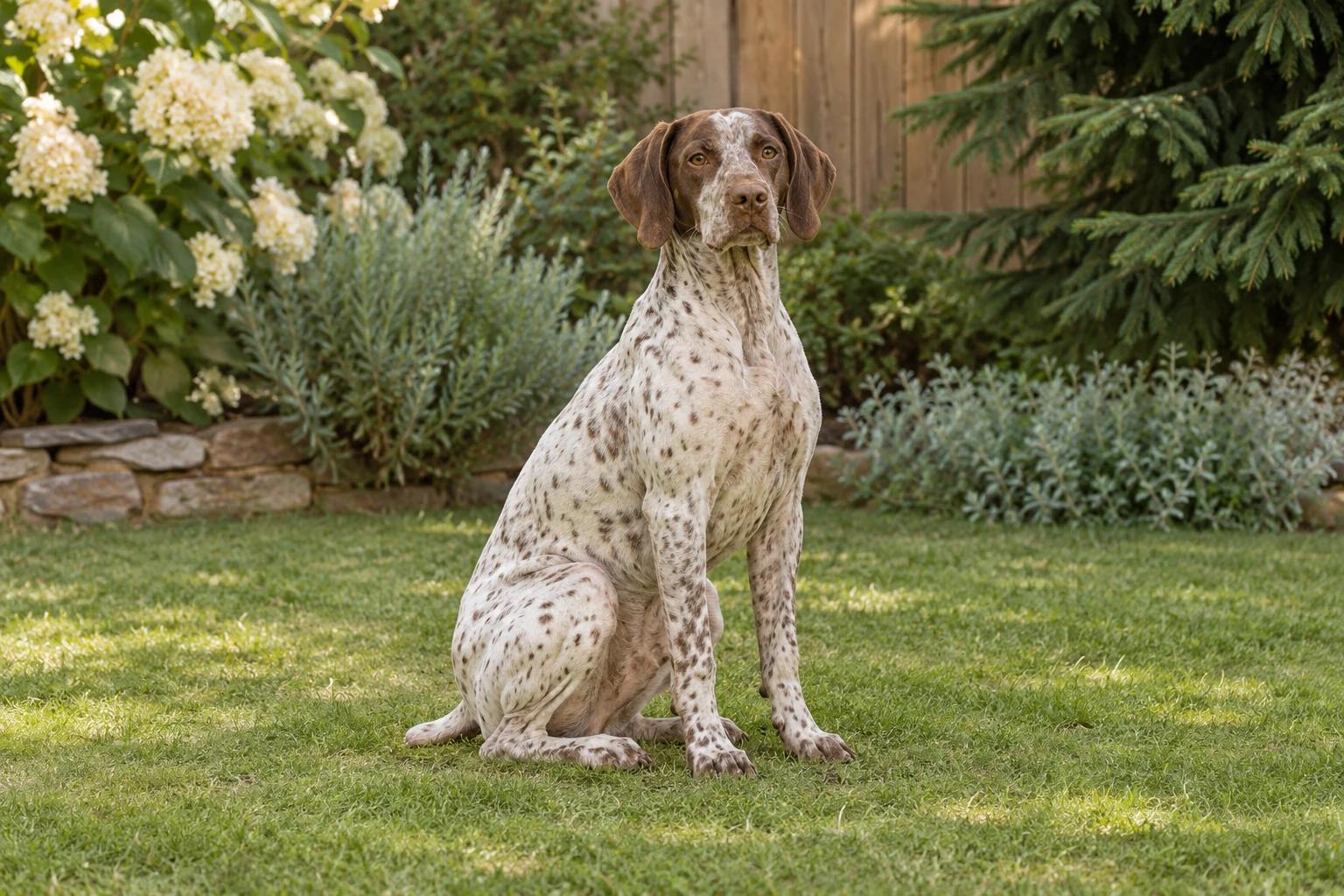
Braque du Bourbonnais hunting is about a pointing dog's partnership with its handler, not simply an instinct that makes a puppy ready for the field. Understanding the breed's role can help prospective owners ask better questions about experience, training and everyday commitments. It also helps non-hunting owners recognize why this dog deserves more consideration than its compact outline might suggest.
The Braque du Bourbonnais breed profile provides the wider ownership picture. Here, the focus is on evaluating the working role responsibly, not a shooting tutorial or a substitute for qualified field instruction.
Braque du Bourbonnais hunting begins with its purpose
The FCI standard identifies the Bourbonnais as a pointing dog and describes a high-headed scent search with purposeful pointing. The AKC introduction connects it with hunting on foot. These reference descriptions explain the role; they do not promise that every individual will work the same way or at the same distance.
A Braque du Bourbonnais hunting dog must be considered as an individual with a particular background. Ask what the dog has actually experienced, what has been taught and which parts of its education are still developing. A short video of a point is evidence of one moment, not a complete account of ability.
If you are new to pointing dogs, arrange to observe experienced handlers before making decisions about training. Ask the organizer where spectators should stand and how dogs are managed. Observation should not become an improvised exercise for an unprepared puppy.
Read a field description without overpromising
The FCI text describes adaptation to varied terrain and game as part of the breed ideal. It also describes a balanced hunting gallop. Those details are useful vocabulary for discussing a dog with knowledgeable people, but they should not become claims that a particular dog will handle every condition.
Ask a handler to explain the sequence you are watching. When is the dog searching? What changes when it notices something? How does the handler communicate? A newcomer learns more from that explanation than from trying to judge speed alone.
Braque du Bourbonnais field work also has an ordinary logistical side: getting to suitable ground, managing waiting periods and returning home. A dog that travels poorly or cannot yet wait comfortably may need attention to those foundations before a busy field day makes sense.
Questions for a breeder or experienced owner
Separate ancestry from demonstrated experience
Ask about the parents' work, but also ask what that information can and cannot tell you about a puppy. Discuss the conditions in which the parents were observed and whether you can speak with people familiar with them. Avoid treating an impressive title or pedigree as a promise of identical performance.
For an older dog, request a plain-language account of its current skills. What has it done reliably? What still requires assistance? Which environments are familiar? Ask how the seller or placement organization knows these things and whether the claims can be observed appropriately.
Discuss the owner's learning curve
Tell the breeder honestly what you know and what you have not done before. Ask what local instruction and mentorship are available. A suitable support arrangement should help you understand the dog rather than persuade you to imitate advanced work without preparation.
Before joining any event or training group, consult the organizer's current requirements. Access permissions, applicable rules and safe handling arrangements need to be checked for the actual location. A general breed article cannot establish what is permitted on a particular piece of land.
Foundations belong outside the field too
A Braque du Bourbonnais pointer still needs everyday communication. Comfortable lead handling, returning when called in an appropriate secure setting and accepting routine handling make ordinary care more manageable. These are useful goals whether or not the dog eventually participates in hunting.
Keep practice conditions proportionate to the dog's current experience. If the dog cannot respond in a quiet place, an exciting unfamiliar setting is not a fair test. Work with a qualified reward-based instructor who can distinguish a training problem from confusion, fear or an unsuitable setup.
Do not improvise introductions to loud reports or other potentially frightening experiences. Ask an experienced professional for an appropriate plan. This guide does not provide firearm handling or sound-exposure instructions. The owner's responsibility includes recognizing when specialist supervision is needed.
Plan for the days with no field outing
Working identity does not provide a care schedule. Put the whole week on paper, including exercise appropriate to the dog, rest, learning, household company and routine care. Include the days when weather, work or access prevents your preferred activity.
Ask your veterinarian about physical readiness and appropriate demands for your dog's age and condition. Avoid assigning a distance or workload solely from the breed name. During outings, have a way to end early and return without relying on the dog to complete the original plan.
The breed's history is broader than working descriptions. Our existing article on color and tail selection examines a different part of its development. When choosing a dog, neither a striking appearance nor a working label should replace questions about the whole animal and the support behind it.
A useful decision for non-hunting households
If you do not hunt, be direct about that when speaking to a breeder or rescue organization. Ask whether the particular dog is a sensible placement for your proposed activities and routine. Do not assume that every dog from every background is equally suited to the same home.
Use the breed quiz to explore your available time and interests before arranging meetings. The aim is to find a sustainable partnership, not to collect an unusual breed and then work out its needs afterwards.
FAQ
Is the Braque du Bourbonnais a pointing breed?
Yes. The FCI classifies the Braque du Bourbonnais as a pointing dog. That classification describes its working role, not a guarantee of finished field skills in a puppy or an individual adult.
Does a Bourbonnais need training to hunt?
Breed background does not replace education and responsible handling. Discuss the individual dog's experience with a qualified instructor, and distinguish natural interest from trained reliability. New owners also need to learn how to participate safely and appropriately.
Can a non-hunter consider a Braque du Bourbonnais?
A non-hunter should discuss the intended home and activities with knowledgeable placement contacts. Suitability depends on the dog and the routine available. Be prepared for an active companion rather than assuming that not hunting means its working background is irrelevant.
Sources behind this article
Article source checked: November 14, 2026. Source checked 2026-11-14
Keep reading

Afghan Hound Exercise Needs: Build a Workable Active Day
Read article →